
Pest Control News Archives
How To Keep Rodents Out Of Your Home This Winter In Northern Utah

Learn how to keep rodents out of your home this winter in Northern Utah with expert inspection, exclusion, and safe removal from local pros you can trust.
Continue readingHow Quickly Can a Rodent Infestation Spread?

Wondering how quickly a rodent infestation can spread? Learn real timelines, early signs, risks, and when to call Utah rodent control experts.
Continue readingTermite Infestation Stages: From First Signs to Full Damage

Understanding Termite Infestation Stages in Utah Homes
If you have a home anywhere along the Wasatch Front and you have spotted strange wood damage, tiny wings on your windowsill, or thin mud lines along your foundation, you might be looking at the early signs of a termite problem. Many Utah homeowners first look for the early signs of a termite infestation once they start appearing. Most homeowners never notice termites until the damage is already underway. That is why understanding each stage of an infestation gives you a huge advantage.
This guide breaks down what happens as a colony grows, how to recognize every stage, and when the situation becomes urgent. If you live in northern Utah and want to protect your home before the damage becomes expensive, this walkthrough is for you.
What We Will Cover
- Early warning signs you should never ignore
- How termite colonies grow inside Utah homes
- What damage looks like at each stage
- When an infestation becomes a structural problem
- What you can realistically do at each stage
- When to call a professional for protection or repairs
Early Stage Termite Activity You Can Actually Spot
Early termite activity often slips under the radar because these pests work quietly and stay hidden. Here is the thing. Homeowners usually sense something is wrong long before they can confirm termites. This section helps you recognize the red flags.
What Early Warning Looks Like
The first stage usually shows up as subtle surface signs. Nothing alarming at first glance, but very meaningful once you know what you are looking at.
- Piles of discarded wings near doors or window tracks
- Small pencil-sized mud tubes are climbing your foundation
- Wood that sounds hollow when you tap it
- Paint bubbling or soft spots on baseboards
These signs tell you that scouts or a small foraging group has already established itself.
Why Utah Homes See These Early Signs
Northern Utah’s soil stays just moist enough in spring and fall to help termite colonies thrive. Homeowners searching for things you might not know about Utah termites often discover how well these pests adapt to the climate. Subterranean termites love shaded foundations, sprinkler overspray, mulch too close to siding, and older homes with wood in direct contact with the soil. These conditions create ideal entry points.
What This Stage Means For You
If you see even one of these signs, the colony is usually already active underground. Early treatment is straightforward at this point. Delay is what turns a simple fix into an expensive repair.
When Termites Become an Active Infestation
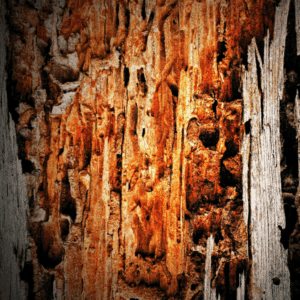
Once termites move past exploration and begin feeding inside walls or floors, you enter the active infestation stage. At this point, the damage becomes measurable.
What Active Infestation Looks Like
This stage produces clearer physical symptoms you can touch, hear, or see.
- Wood sounding hollow because termites are eating it from the inside
- Thin drywall cracks that seem to appear quickly
- Soft or warping floors
- Mud tubes that extend or begin branching
- Termites spotted under damaged wood
This is usually the moment homeowners begin searching online for answers.
How Long Does It Take To Reach This Stage
In Utah, once a colony is established, early structural erosion may appear in several months, depending on moisture and location. Termites do not work randomly. They create protected tunnels that allow hundreds or thousands of them to feed without being detected.
Why DIY Solutions Often Fail Here
Sprays and surface treatments do not reach the colony. Termites operate inside wood and within underground tunnels. This is where many homeowners spend money on temporary fixes, only to later read about DIY pest control mishaps when the damage worsens.
Structural Damage Stage: When the Problem Becomes Serious
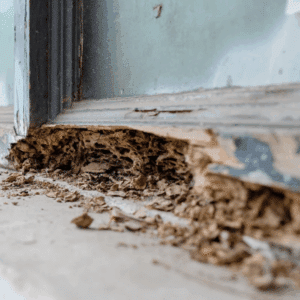
This stage is where the issue moves from nuisance to real risk. Termites begin attacking load-bearing components, not just cosmetic trim.
What Serious Damage Looks Like
Homeowners typically notice these changes during this stage:
- Baseboards that crumble when pressed
- Doors or windows that suddenly stick
- Floors that sag or dip in certain sections
- Sound changes when walking across the floor
- Significant drywall deformation
By this point, the colony has matured enough that workers feed continuously. Multiple tunnels are activ,e and the damage compounds quickly.
How Fast Damage Accelerates
A young colony can create cosmetic damage. A mature colony can weaken structural components. Homes with moisture problems may reach this stage sooner.
What This Stage Means For Your Home
Repairs become more expensive as this stage progresses. Professional intervention becomes essential. Inspections become more detailed, treatments more involved, and full colony elimination becomes urgent.
Full Infestation Stage and Long-Term Damage
This stage is less common for attentive homeowners but very common in vacant homes or rental properties. The colony is large, mature, and deeply rooted.
What Full Infestation Looks Like
- Visible tunneling in major support beams
- Floors that feel soft across entire rooms
- Walls bulging or warping
- Termites are visible when wood is disturbed
- Significant structural compromise in crawlspaces, basements, or decks
Long-Term Impact If Not Addressed
- Damage that affects resale value
- Higher difficulty with insurance claims due to termite exclusions
- Structural engineering repairs
- Safety hazards from weakened framing
Termites never stop feeding. They only expand the colony. Homeowners often learn more about this risk when reading about what termites do during the winter months.
How Professional Inspections Identify Each Stage
A professional inspection gives you clarity. Most people see only a small portion of what is actually happening below the surface.
During an inspection, Legacy Pest Control evaluates:
- Moisture levels around the foundation
- All wood to soil contact points
- Entry points around plumbing and crawlspaces
- Hidden tunnels behind walls or baseboards
- Subfloor damage patterns
- The likely size and age of the underground colony
Homebuyers often request inspections after reading about the value of getting a termite inspection before buying a home. An inspection removes the guesswork and gives you a clear picture of what is happening inside your home.
Take the Next Step With Confidence
If you suspect termites, the smartest move is a quick professional inspection. It is often free and gives you the information you need to protect your home. You can explore treatment options or preventative plans without pressure.
If you want more seasonal tips, you can also review our guide on reasons to continue pest control treatments in the wintertime.
Ready to take the next step? Get a Free Quote or learn more about how our preventative plans protect Utah homes throughout the year.
FAQ About Termite Infestations in Utah
Yes. Subterranean termites are very common throughout Weber, Davis, and Cache County. You can explore related pest concerns by reading about other dangerous pests in Utah homes.
Protect Your Utah Home Before Damage Spreads
If you have noticed early signs or even have a suspicion of termites, it is worth acting now. Termite activity is quiet and persistent. Early treatment is faster, easier, and far more affordable than waiting.
You can explore additional resources in our blog, read more about preventative plans, or request a free estimate. Protecting your home starts with knowing what stage you are dealing with.
The Top Warning Signs of a Termite Infestation Every Homeowner Should Know
Spotting Termites Early Can Save Your Home
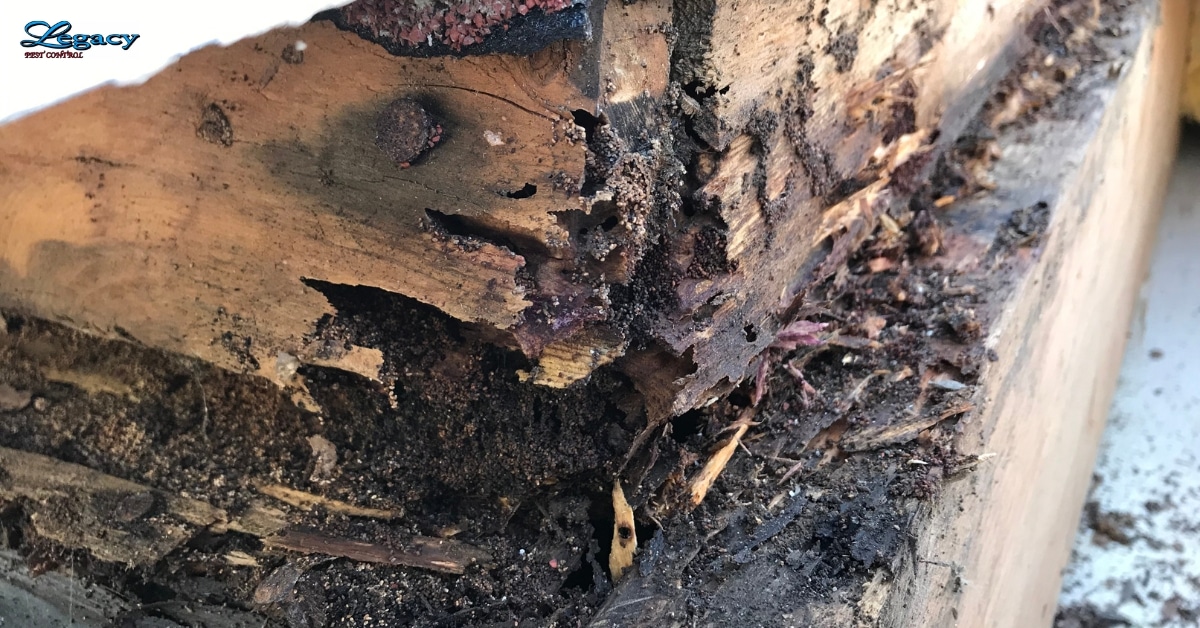
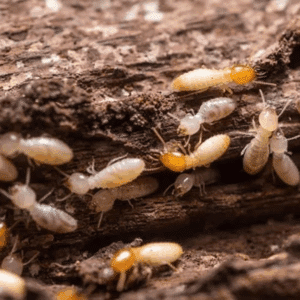
If you’ve noticed strange wood damage, tiny wings around windowsills, or mud-like streaks on your foundation, you might be closer to a termite problem than you think. Termites don’t make noise, they don’t show themselves, and by the time most homeowners realize what’s happening, the damage is already underway.
If you live in northern Utah, especially around Ogden, these early signs matter. Termites thrive in our soil conditions and seasonal moisture swings. Catching the warning signs quickly is one of the best ways to protect your home from expensive repairs.
This guide walks you through the most reliable signs, what they mean, and when it’s time to call for professional help so you can stay ahead of the problem.
What We’ll Cover:
- What termites look like and how to tell them apart from ants
- The most common warning signs around Utah homes
- Why these signs appear and what they mean
- What to do if you notice any of them
- Tips to prevent termites from spreading
The Fastest Way to Tell If You Have Termites
Let’s start with the basics. Termites leave clues even if you never see them directly. Homeowners usually notice one of three things first which include discarded wings, mud tubes, or hidden damage to wood.
Here’s what each one means and why it matters.

Discarded Wings Around Doors and Windows
Termites swarm in spring and early summer. When they find a place to settle, they shed their wings. If you find tiny clear wings near window tracks, baseboards, or sliding doors, that is usually a sign that a new colony is forming nearby. You can learn more about swarming behavior by exploring this guide on 7 signs of termites.
Ants shed wings too, but termite wings are equal in size and longer than the body. Ant wings are uneven and shorter.
Mud Tubes on Your Foundation
Subterranean termites are the dominant species in northern Utah. They build pencil-thin mud tubes along foundations, basements, or crawl spaces so they can travel from soil to wood.
If you see these tubes, the colony is active. Breaking one open and seeing live termites confirms the problem.
Hollow or Soft Wood
Tap along baseboards or exposed wood. If it sounds hollow or feels soft, termites may be tunneling behind it. They eat wood from the inside out. The surface often looks normal until damage becomes significant.
These are the three biggest red flags. If you ignore them, the colony keeps expanding.
More Warning Signs Homeowners Often Miss
Some signs are subtle. Others show up when the infestation has already been active for a while. It pays to know what to look for in either situation.
Bubbling Paint or Warped Trim
Homeowners often mistake this for water damage. In reality, termites bring moisture into their tunnels. This causes paint to bubble, floors to warp, and door frames to swell.
For other pests that damage structures, you may find this article helpful: Pests that can wreck your roof.
Small Piles of Frass
Frass is termite waste that looks like fine sand or coffee grounds. You might find it under window frames, along baseboards, or near damaged wood. Drywood termites leave frass behind, and while they are less common in Utah, experts still check for it during inspections.
Tight-Fitting Doors and Hard-To-Open Windows
When termites damage wood around frames, the wood shifts slightly. A smooth window track may suddenly stick. Doors become harder to latch. Many Utah homeowners notice this before spotting any visible damage.
Quiet Clicking Sounds Inside Walls
Termites communicate by tapping or chewing through wood. You probably will not hear it during the day. A quiet room at night might reveal faint ticking or clicking. It is a subtle but reliable sign.
Why Termites Target Utah Homes
Here’s the thing. Our region creates ideal conditions for subterranean termites. The Wasatch Front sees moisture in spring, hot soil in summer, and enough dampness in fall to keep tunnels intact.
Most homes in northern Utah also have the perfect food source. Wood framing, decks, fences, mulch beds, and even cardboard stored in basements can attract termites without warning.

A few reasons termites are so common here include:
- Utah has widespread subterranean termite activity
- Concrete foundations still have expansion joints that let termites in
- Sprinkler systems create moist soil near the home
- Older homes often have untreated wood touching soil
- Natural settling creates small cracks that termites exploit
If you want to learn even more about how termites thrive in our region, this article breaks it down clearly: 3 things you didn’t know about Utah termites.
Once a colony establishes itself, it keeps growing. A mature colony can contain hundreds of thousands of termites.
How Fast Termite Damage Gets Serious
Homeowners sometimes assume that termite damage takes decades to become a real problem. It does not take that long. A small colony can start weakening structural wood within months.
You will not see beams collapsing, but the damage behind walls becomes more expensive over time. Subfloors can weaken. Support beams can lose integrity. Flooring can shift.
By the time you see visible damage, the insects may have been active for years.
What To Do If You Spot Any Warning Sign
The most important thing is not to ignore it. Termites rarely go away on their own. Sweeping up wings or knocking down a mud tube will not stop the colony.
Here’s a smart first step:
- Take photos of what you see.
- Avoid disturbing the area.
- Check nearby wood or soil for more clues.
- Schedule a professional inspection.
A licensed technician can identify the species, locate the colony, and check common entry points around your home.
If you are preparing to buy a home or want to be extra careful before purchasing, you may find this resource helpful: Getting a termite inspection before buying a home.
At Legacy Pest Control, we inspect everything from crawl spaces to attic beams to make sure nothing is missed. We also look for moisture issues, foundation gaps, and soil contact that might be feeding the problem.
Treatment Options That Actually Work
The right treatment depends on how the termites entered and where the colony is located. The most effective solutions for Utah homes include the following.

Soil Treatments
Liquid treatments penetrate the soil around your foundation and create a long-lasting barrier. This blocks termites from entering the home and eliminates active colonies they travel from.
Baiting Systems
These systems attract termites to bait stations placed strategically around the property. Once the colony feeds on the bait, it spreads through the colony and eliminates it from the source.
Wood Treatments
Technicians may treat exposed wood in crawl spaces, basements, or attics to prevent future activity. This strengthens the wood and makes it less appealing to termites.
Ongoing Monitoring
Quarterly maintenance plans help prevent termites from returning. This also protects against other pests that become active across different seasons in northern Utah. To understand why year-round treatment matters, see this article on 3 reasons to continue pest control treatments in the wintertime.
Each home is different. This is why inspections matter so much. The solution has to match the structure, soil, and severity.
Our Experience With Utah Termite Problems
This is where expertise becomes practical. After more than 20 years serving northern Utah homes, we have seen everything from brand-new construction infestations to decades-old colonies inside older homes.
Most homeowners are shocked when they realize how quickly termites spread unseen. We focus on identifying the root issue, stopping the colony, and setting up year-round protection so the problem does not return.
Local experience matters. It also helps to understand the unique behavior of Utah’s subterranean termites and how they interact with soil and foundation types in our region.
To explore more helpful information like this, you can visit our full blog.
A Helpful Next Step if You Suspect Termites
If you have noticed wings, mud tubes, hollow wood, or anything that seems off, getting a free inspection gives you clarity. There is no pressure and no commitment. It simply helps you understand what is happening behind the scenes and what it would take to fix it.
If you want to better understand what to do and what to avoid before trying to handle termites yourself, you may want to read this: Things you should and shouldn’t do for termite control.
You can request an inspection or get a free quote anytime. It is one of the fastest ways to protect your home and avoid expensive structural repairs down the line.
Frequently Asked Questions
Termites have straight antennae, equal-length wings, and thick waists. Ants have bent antennae, uneven wings, and narrow waists. Wings around windows are the biggest giveaway. If you’re dealing with ants instead, here is a helpful guide on how to keep ants out of your house.
Spring and early summer are peak swarming times. Subterranean termites can still be active year-round as long as the soil stays warm enough. To understand winter activity better, see this article on do termites live in winter.
Protect Your Home Before Termites Spread
Catching termite activity early is one of the smartest things you can do for your home. The warning signs are subtle, but once you know where to look, you can spot the problem before it gets out of hand.
If anything in your home looks suspicious, even something small, scheduling an inspection can give you peace of mind. You will know exactly what is going on and what it takes to keep your home protected.
You can explore more helpful guides or reach out for a free quote whenever you are ready.


