
Webs of Worry: Why Spiders Demand a Commercial-Grade Solution in Your Ogden Establishment

A single cobweb can cast a shadow on your Ogden restaurant’s cleanliness. Spiders, even harmless ones, send the wrong message to your customers about hygiene and attention to detail. General cleaning simply isn’t enough to banish these eight-legged guests for good.
Quick Answer
Spiders in commercial establishments, especially restaurants, demand professional pest control due to severe risks including damaged reputation, health code violations, and potential customer loss from pest sightings. DIY methods are often ineffective and cannot address the root causes of infestations. Professional solutions offer comprehensive, long-term prevention.
Table of Contents
- The Hidden Cost of Cobwebs for Your Business
- Why DIY Spider Control Fails in Commercial Settings
- Can Restaurants Do Their Own Pest Control?
- Understanding Ogden’s Common Commercial Spiders
- Integrated Pest Management: Our Commercial Approach
- How Often Should Restaurants Have Pest Control?
- Choosing the Right Commercial Partner in Ogden
The Hidden Cost of Cobwebs for Your Business
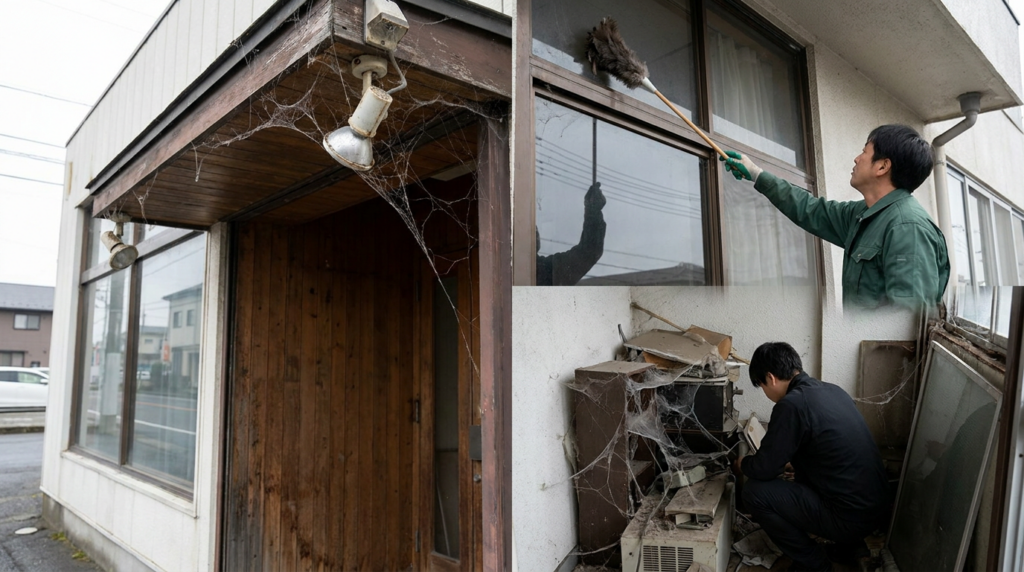
A spider sighting in your Ogden restaurant does more than just startle a customer; it directly impacts your bottom line. Customers assume a direct correlation between visible pests and overall cleanliness, leading to negative reviews and lost business.
Beyond customer perception, spider infestations can lead to immediate operational and financial headaches. These include potential health code violations, fines from regulatory bodies, and damaged inventory if spiders infest storage areas. The average critical health code violation can cost thousands in lost revenue and re-inspection fees.
Pro Tip: Implement routine checks for spider webs in low-traffic areas, corners, and near light sources. Early detection makes professional treatment faster and less disruptive.
Why DIY Spider Control Fails in Commercial Settings

Attempting to handle spider infestations yourself in a commercial environment rarely provides a lasting solution. Retail-grade sprays and sporadic cleaning only address visible spiders, not the hidden nests or the conditions attracting them. Effective spider control requires understanding their habits and life cycles.
Commercial establishments, especially those serving food, have unique regulations and traffic patterns that complicate DIY efforts. You risk using inappropriate chemicals near food prep areas, violating safety standards set by organizations like the Occupational Safety and Health Administration (OSHA), or simply pushing spiders into other parts of your building. This often leads to a cycle of temporary fixes and recurring problems.
Our approach focuses on Commercial Pest Control Services designed specifically for business needs.
Can Restaurants Do Their Own Pest Control?
Restaurants can perform basic pest prevention like cleaning and sealing entry points, but full pest control requires professional expertise. Most eateries lack the specific training, industrial-grade products, and regulatory knowledge needed for effective and compliant pest management. Attempting to manage serious infestations internally often leads to recurring issues and higher overall costs.
Professional pest control technicians understand the complex interplay of commercial environments, local pest behavior, and health regulations. We identify root causes, not just symptoms. This includes:
- Monitoring and inspection for early detection.
- Targeted treatments safe for food service areas.
- Identifying and sealing potential entry points.
- Ongoing prevention strategies. Preventive pest control saves money long-term.
Why You Shouldn’t Squish Spiders in a Restaurant
While squishing an occasional spider might seem like a quick fix, it’s counterproductive in a commercial setting. A squished spider leaves behind a noticeable mess, which contradicts your establishment’s image of cleanliness. More importantly, it signals to customers that pests are present and being dealt with reactively, rather than proactively and discreetly.
Some spider species release unpleasantly smelling fluids when crushed, which only creates another problem for your staff to deal with. Focusing on elimination and prevention through professional channels protects your reputation far better than a messy, last-minute squish.
Understanding Ogden’s Common Commercial Spiders
Ogden’s climate and urban environment attract several spider species that can become unwelcome guests in commercial spaces. Knowing your enemy helps us tailor an effective solution.
Common spiders in Ogden include:
- House Spiders: These create messy, irregular webs, often in corners or under shelves. They’re the most common complaint from business owners.
- Hobo Spiders: Known for their funnel-shaped webs near ground level, often in basements or storage rooms. Their bites, while often overstated, can be medically significant for some individuals.
- Black Widow Spiders: With their distinctive red hourglass mark, these venomous spiders prefer dark, secluded areas. Finding one indicates a serious pest control need for safety reasons, especially in areas where employees or customers might reach.
- Cellar Spiders: These long-legged spiders, often mistaken for daddy long legs, build loose, irregular webs in damp, dark places like basements or utility rooms. While harmless, their presence indicates high humidity, which can also attract other pests.
- Jumping Spiders: Small, hairy, and excellent hunters, jumping spiders don’t spin webs to catch prey but are often seen moving quickly across floors or walls. Their sudden movements can startle customers.
- Yellow Sac Spiders: These spiders build small silken sacs, not elaborate webs, often in high corners or behind wall hangings. Their bites can be painful, resembling a bee sting.
Each species requires a slightly different approach for complete eradication and prevention. Our Effective Spider Pest Control & Extermination in Utah service accounts for these local variations, ensuring a strategy that works.
Integrated Pest Management: Our Commercial Approach
Our strategy goes beyond spraying chemicals; we use an Integrated Pest Management (IPM) approach. IPM is a full, environmentally sensitive approach to pest management that relies on a combination of common-sense practices. It minimizes environmental risks and maximizes long-term prevention.
Legacy Pest Control’s IPM for commercial spider control involves:
- Inspection and Identification: We identify spider species, entry points, and contributing environmental factors.
- Sanitation and Exclusion: Recommendations for improving cleanliness and sealing cracks or gaps to block entry.
- Targeted Treatments: Precisely applied treatments where activity is highest, minimizing chemical use in sensitive areas.
- Monitoring and Follow-up: Ongoing checks to ensure efficacy and prevent re-infestations.
“Legacy did a great job. The two gentlemen who came were so knowledgeable and helpful. I would highly recommend them for any type of pest control,” states Mitzi Larsen, a satisfied customer. This commitment to knowledgeable, thorough service underpins our IPM philosophy.
We combine our local expertise with proven methods, offering diverse treatment options from traditional to organic and natural pest control solutions, based on your business’s needs and concerns.
How Often Should Restaurants Have Pest Control?
Restaurants should schedule professional pest control services quarterly as a minimum to ensure continuous protection against spiders and other pests. High-traffic and high-risk establishments, such as those with frequent deliveries or located near green spaces, may benefit from monthly treatments. Regular inspections are critical for maintaining compliance and preventing infestations before they become severe.
This frequency allows for proactive treatment, addressing seasonal pest cycles and ensuring ongoing compliance with health department regulations. Consistent service helps maintain your business’s reputation and prevents costly emergency interventions.
“I called Legacy regarding my fly drama, they came out quickly, the price was reasonable and I already see a decrease is pests in one day. I’ll”
Our prompt and effective service, as highlighted by Kym Kapalla, demonstrates the value of regular professional intervention.
Pro Tip: Businesses with active pest issues or high-risk locations should discuss a customized bi-monthly or monthly plan. Proactive monitoring provides better long-term protection.
Choosing the Right Commercial Partner in Ogden
Selecting a commercial pest control provider for your Ogden business requires more than just checking prices. You need a partner who understands the unique challenges of our local environment and regulatory landscape. Expertise, experience, and trust are key.
“I called other pest control companies and all they wanted to do was sign me up for a monthly services where Legacy actually asked what I needed help with,” noted Oliver Brown. This highlights our commitment to customized pest control solutions, not just generic contracts. We offer a military discount program: 5% for retired personnel, 10% for active, and 15% for spouses of deployed soldiers. Claim Your Military Discount Today!
When evaluating providers, consider:
- Local Expertise: Do they understand Ogden’s specific pest challenges and seasonal trends?
- Integrated Pest Management (IPM): Do they offer full solutions beyond just spraying? Our Integrated Pest Management (IPM) goes deeper.
- Discretion and Scheduling: Can they service your business outside operating hours to minimize disruption?
- Regulatory Compliance: Are they knowledgeable about health codes and safety standards for commercial establishments?
- Customer Service: Do they offer responsive, reliable service and clear communication?
Frequently Asked Questions
The Bottom Line
Dealing with spiders in your Ogden restaurant or commercial establishment demands more than just a passing sweep. It requires a strategic, professional approach that safeguards your reputation, ensures health compliance, and protects your customers. Our Integrated Pest Management goes beyond quick fixes, offering long-term preventative solutions. Neglecting professional pest control can lead to far greater costs down the road.
Trust Your Ogden Business to the Experts
Don’t let webs of worry diminish your establishment’s success. Legacy Pest Control offers commercial-grade solutions tailored to Ogden businesses, ensuring a spider-free environment that upholds your reputation and customer trust. Our team of experts provides discreet and long-lasting pest management. Receive a free estimate for your thorough spider control plan today.
Written by Legacy Pest Control Team | Last updated: May 2024
Related Reads
Bye-Bye Spiders: How Our Targeted Treatment Creates a Safe, Spider-Free Zone for Your Family

Few things disrupt home comfort quicker than a spider sighting. If you’re tired of constantly checking corners or worrying about venomous bites, it’s time for a definitive solution. Our specialized spider control in Ogden provides a protective barrier, reclaiming your home from eight-legged invaders with safety as our top priority. We deliver peace of mind for your family and pets.
Quick Answer
Legacy Pest Control offers targeted, family-friendly spider treatments in Ogden that are effective against both common and venomous species. Our Integrated Pest Management approach ensures complete removal and long-term prevention, focusing on your family’s safety while creating a truly spider-free home. Expect thorough inspections, customized plans, and lasting results.
Table of Contents
- Why Ogden Families Need Specialized Spider Control
- Our Targeted Treatment: Safe, Effective Spider Control for Your Home
- The Journey to a Spider-Free Home in Ogden
- Peace of Mind: What a Spider-Free Home Means for Your Family
- Frequently Asked Questions About Spider Control in Ogden
Why Ogden Families Need Specialized Spider Control

Spider infestations in Ogden are more than just an annoyance; they pose potential health risks and create significant discomfort within your home. Utah’s unique climate and varied terrain, from the Wasatch Front to the valley floors, provide ideal habitats for many spider species, often necessitating professional intervention.
Common Spiders Invading Ogden Homes: Beyond the Annoyance
Ogden homes frequently encounter a range of spiders, from harmless house spiders to more concerning venomous species. Understanding which spiders are present helps us tailor effective treatments and educate homeowners on potential risks.
Here are some of the most common spiders found in Ogden homes:
- Cellar spiders: Often mistaken for daddy long-legs, these spiders build messy webs in damp, dark areas.
- Sac spiders: Small, pale yellow spiders that don’t build webs but actively hunt prey, often encountered indoors.
- Orb weavers: These spiders build classic, intricate circular webs, typically outdoors on porches or between structures.
- Wolf spiders: Large, hairy, and fast, wolf spiders are hunters that roam floors and foundations, posing a startling presence.
- Hobo spiders: Known for their funnel-shaped webs near the ground, their bites can cause necrotic lesions.
- Black widow spiders: Highly venomous and identifiable by the red hourglass on their abdomens, they prefer dark, undisturbed areas.
- Brown recluse spiders: While less common in Utah, their painful, necrotic bites make identification and eradication vital.
Addressing these various species often requires different tactics; a one-size-fits-all approach rarely works. For instance, webbing spiders require web removal and barrier treatments, while hunting spiders, such as wolf spiders, respond better to direct application and perimeter control.
Pro Tip: Regularly removing existing webs, especially in corners and entry points, signals to spiders that your home is not a suitable long-term habitat and can deter new populations.
When to Call for Professional Spider Control in Weber County
You should call for professional spider control in Weber County when DIY methods fail, you identify a venomous species, or the infestation grows beyond a few casual sightings. An escalating spider problem indicates an underlying issue, such as a rich food source or unsealed entry points, that requires expert assessment.
Consider professional intervention if:
- You frequently see webs or spiders, even after cleaning.
- You’ve identified black widows or hobo spiders on your property.
- Family members are getting unexplained bites.
- Spiders are emerging in new areas of your home.
- You have children or pets who are more susceptible to spider bites.
Early intervention prevents larger, harder-to-manage infestations and protects your family’s health. Neglecting a growing spider problem allows populations to expand, increasing the likelihood of encountering dangerous species or suffering bites.
Our Targeted Treatment: Safe, Effective Spider Control for Your Home

Our targeted spider treatment uses an Integrated Pest Management (IPM) approach, combining thorough inspections, precise product application, and preventative strategies to deliver safe and effective control. This method minimizes chemical use while maximizing results, directly addressing the spider population at its source.
We understand that a truly spider-free zone requires more than just spraying chemicals; it means understanding spider biology, behavior, and environmental factors specific to your property. This knowledge allows us to disrupt their life cycles and effectively prevent reinfection.
Pet-Friendly and Kid-Safe Application Methods
We prioritize your family’s safety by using pet-friendly and kid-safe application methods for all our spider treatments. Our expert technicians carefully select products approved for residential use and apply them strategically where spiders hide, away from direct contact areas for children and pets.
Each treatment plan includes:
- Targeted application: We apply treatments only to areas spiders frequent, such as cracks, crevices, and undisturbed corners, minimizing broader exposure.
- Low-toxicity products: We choose products that have minimal impact on mammals while remaining highly effective against arachnids.
- Clear communication: Our technicians explain exactly where and how products are applied, advising on re-entry times and precautions.
Homeowners often hesitate due to chemical concerns. Our training and adherence to Environmental Protection Agency (EPA) regulations mean we handle and apply all treatments responsibly, ensuring compliance with strict safety standards. When Legacy Pest Control handles your pest issues, you’re not just getting effective service; you’re getting peace of mind. As customer Laura Lewis states, “Great company. Always get the job done for a reasonable price. Nice to work with.”
Eliminating Black Widows and Brown Recluses with Precision
Eliminating dangerous black widows and brown recluses requires precision and specialized knowledge due to their elusive nature and venomous bites. Our technicians are trained to identify their preferred habitats and employ highly targeted strategies to eradicate them safely and completely from your property.
These spiders prefer:
- Dark, quiet, undisturbed areas.
- Clutter, firewood piles, and storage boxes.
- Crawl spaces, sheds, and garages.
- Tight crevices and corners.
Our approach includes a detailed inspection to locate their hidden nests, followed by specific treatments designed to penetrate these secluded spots. This targeted approach is essential because haphazard spraying can merely scatter these spiders, making them harder to control. We pride ourselves on the professionalism and expertise required for such delicate situations; as Raylene Fossum noted, “They always take time to answer any questions, are very knowledgeable and professional.”
The Science Behind Our Effective Spider Removal
Our effective spider removal strategies are rooted in arachnid biology and advanced pest control science, using a multi-faceted approach to disrupt their life cycle and habitat. We don’t just kill spiders; we implement solutions that deter them long-term, creating a sustainable spider-free environment.
Key scientific principles we integrate:
- Behavioral targeting: Applying treatments to areas where spiders actively hunt, build webs, or seek shelter.
- Insect Growth Regulators (IGRs): Where appropriate, IGRs can prevent juvenile spiders from reaching adulthood, breaking the breeding cycle.
- Barrier treatments: Creating an invisible perimeter around your home that repels or eliminates spiders attempting to enter.
- Repellents vs. residual insecticides: Employing a combination of products that either drive spiders away or provide long-lasting control through contact.
This scientific methodology ensures that our treatments aren’t only effective but also efficient, reducing the need for excessive chemical use. Our focus on spider pest control means we’re constantly refining our techniques based on the latest research and field experience.
The Journey to a Spider-Free Home in Ogden
Achieving a spider-free home in Ogden is a systematic process that begins with understanding your specific challenges and culminates in full protection. Our three-step journey ensures thorough eradication and long-term prevention, giving you lasting peace of mind.
Step 1: Thorough Inspection and Identification
Our process begins with a thorough inspection of your Ogden property to accurately identify spider species and pinpoint the sources of infestation. An expert examination reveals not just where spiders are, but why they’re there, allowing us to build a precise and effective treatment strategy.
During this critical first step, our technicians:
- Examine both interior and exterior areas, including basements, attics, and foundation perimeters.
- Look for webbing, egg sacs, and spider activity trails.
- Identify potential entry points like cracks, gaps, and unscreened vents.
- Assess environmental factors such as moisture sources and harborage areas (e.g., woodpiles, dense shrubbery).
- Identify primary food sources for spiders, often other insects, which signals a broader pest issue.
This detailed understanding of your specific situation is the cornerstone of our Integrated Pest Management (IPM) approach. It ensures we treat the problem, not just the symptoms.
Step 2: Custom Treatment Plan for Your Ogden Property
Following our inspection, we develop a custom treatment plan tailored specifically to your Ogden property’s needs, targeting the identified spider species and their habitats. This personalized strategy ensures maximum effectiveness while minimizing impact on your family and the environment.
Your custom plan typically includes:
- Targeted product application: Using specific, EPA-approved products precisely where spiders hide or enter, such as around windows, doors, and foundation cracks.
- Web removal: Physically clearing existing webs to eliminate current inhabitants and egg sacs.
- Exclusion recommendations: Advising on ways to seal entry points to reduce future spider access.
- Source reduction: Identifying and addressing factors that attract spiders, such as excessive yard debris or exterior lighting.
We believe every home is unique, and a one-size-fits-all solution rarely delivers superior results. This customized approach is why customers like Crystal Flynn praise our “Small town service and courtesy for small town prices!!”
Step 3: Follow-Up and Prevention Strategies
Our commitment extends beyond initial treatment with thorough follow-up services and preventative strategies designed to ensure long-term spider exclusion. Regular maintenance creates a continuous protective barrier, keeping your Ogden home spider-free year-round.
Our preventative measures are designed to achieve lasting results:
- Perimeter treatments: Regular applications to the exterior foundation create a persistent barrier against incoming spiders.
- Sealing recommendations: Suggestions for caulking cracks, repairing screens, or weatherstripping gaps to block entry.
- Habitat modification: Advice on managing yard debris, trimming vegetation, and reducing outdoor clutter where spiders thrive.
- Ongoing monitoring: Periodic checks to detect early signs of new spider activity and adjust treatment as needed.
Preventative pest control is essential, especially in areas like Ogden where spiders are prevalent. We also offer a 30-day money-back guarantee for certain treatments, underscoring our confidence in our long-term solutions, which may also include related services such as wasp, hornet, and yellow jacket extermination.
Peace of Mind: What a Spider-Free Home Means for Your Family
A spider-free home provides invaluable peace of mind, transforming your living space into a truly comfortable and safe environment for your family. No longer will you worry about unexpected arachnids or the discomfort of potential bites, allowing everyone to relax freely.
Reclaiming Your Space: Safely Enjoying Indoors and Out
Reclaiming your space means safely enjoying every part of your Ogden home, from interior living areas to outdoor patios, without the constant threat or thought of spiders. Our effective treatments allow you to freely use your garage, basement, and backyard again, enhancing your quality of life.
A spider-free environment gives you the freedom to:
- Let children play indoors and outdoors without concern for bites.
- Enter storage areas or crawl spaces without hesitation.
- Relax on your porch or deck in the evening.
- Focus on tasks without distracting spider sightings.
This shift from constant vigilance to relaxed enjoyment is a key benefit our clients value. It restores the comfort and security every family deserves in their home. The team at Legacy Pest Control is committed to protecting your home and family by offering reliable residential pest control services throughout Northern Utah. We understand that your home is your sanctuary, and we work diligently to ensure it remains pest-free.
Understanding the Cost of Professional Spider Control Ogden
The cost of professional spider control in Ogden varies based on infestation severity, property size, and the chosen treatment plan, but it represents a valuable investment in your family’s safety and peace of mind. While DIY methods may seem cheaper upfront, professional services deliver lasting results and eliminate recurring expenses from ineffective products.
Typical factors influencing cost include:
- Size of property: Larger homes or properties with extensive outdoor areas require more resources.
- Infestation level: Minor spider issues are less costly than severe infestations requiring multiple treatments.
- Spider species: Eliminating venomous spiders often requires more intensive, targeted methods.
- Treatment frequency: Ongoing preventative plans differ from one-time eradication services.
We provide a free estimate for pest control services, allowing you to understand the investment upfront with no surprises. Additionally, we support our community through a military discount program: 5% for retired personnel, 10% for active personnel, and 15% for spouses of deployed soldiers. This makes professional, reliable pest control more accessible.
Disclaimer: This content is for informational purposes only. Consult a qualified professional for specific guidance.
Frequently Asked Questions About Spider Control in Ogden
The Bottom Line
A spider-free home is an achievable reality for Ogden families. Our targeted, safe, and effective treatments eliminate existing spider populations and establish solid preventative measures. We blend scientific methods with local expertise and a deep commitment to your family’s well-being. This complete approach means lasting peace of mind, allowing you to reclaim your indoor and outdoor spaces without worry. Ready to enjoy your home again?
Reclaim Your Home, Secure Your Peace of Mind
Don’t let spiders dictate your comfort any longer. Legacy Pest Control offers the expert, family-friendly solutions you need to create a truly spider-free environment in your Ogden home. Our Integrated Pest Management approach focuses on safety, effectiveness, and long-term prevention.
We’re ready to provide a customized plan, backed by our local expertise and commitment to customer satisfaction. Experience the difference of a professional service that truly cares about your peace of mind.
Contact Legacy Pest Control today for a free estimate and take the first step toward a spider-free home. Ask about our military discount program!
Related Reads
Termite Trouble: The Silent Destroyer Homeowners Need to Know About in Utah (and How to Stop It)

The thought of pests eating away at your most valuable asset is unsettling. Termites, in particular, can silently inflict extensive damage, often going unnoticed until repairs become costly and complex. This is why understanding their threat and how to protect your home is critical, especially in Utah where these destructive insects are more common than many homeowners realize.
Quick Answer
Termites in Utah pose a significant threat to homes, causing billions in damage annually nationwide. Homeowners should regularly inspect for common signs like mud tubes, discarded wings, and wood damage. Professional pest control offers the most effective solution for extermination and long-term prevention, significantly reducing repair costs and providing lasting peace of mind.
Table of Contents
- The Threat of Termite Damage in Utah: Why Homeowners Should Be Concerned
- Signs of Termites in Your Utah Home: What to Look For
- Stopping Termite Damage: Immediate Actions and Long-Term Prevention
- Repairing Termite Damage: Restoring Your Home’s Integrity
- Investing in Home Protection: Why Professional Termite Control Matters
- Frequently Asked Questions About Termites in Utah
The Threat of Termite Damage in Utah: Why Homeowners Should Be Concerned

Termites cause American homeowners over $5 billion in property damage annually, often without any immediate visible signs. This silent destruction makes them one of the most feared pests, capable of compromising a home’s structural integrity over time. For Utah homeowners, the risk is real and ongoing.
Are Termites a Problem in Utah?
Yes, termites are a problem in Utah, contrary to a common misconception that our colder climate deters them. Subterranean termites, the most destructive species, thrive by living underground or within walls, insulated from Utah’s temperature extremes. We consistently find termite activity across Northern Utah, from Davis County to Salt Lake City, impacting both residential and commercial properties.
Pro Tip: Even new construction isn’t immune. Termites can infest a property before or shortly after completion if the soil isn’t properly treated.
Common Termite Species Attacking Utah Homes
The primary species responsible for termite damage in Utah is the Western Subterranean Termite (Reticulitermes hesperus). These termites maintain vast underground colonies, foraging for cellulose found in wood, paper, and fabrics within your home. Unlike drywood termites found in warmer climates, subterranean termites require constant moisture, which they get from the soil and can also introduce into your home. This species is particularly challenging because its activity is hidden, making discovery difficult without professional inspection.
Signs of Termites in Your Utah Home: What to Look For
Catching termite activity early saves thousands in repair costs. Homeowners, especially those in areas like Ogden where older homes are prevalent, need to know what subtle clues indicate an infestation. We’ve seen firsthand how easily these signs are missed until damage becomes extensive.
Subtle Clues: Early Indicators of a Termite Infestation
Termites are incredibly discreet, but they do leave evidence behind. Look for mud tubes, which are pencil-sized tunnels extending from the ground up onto foundations, walls, or floor joists. These tubes protect termites as they travel between their nest and your home’s wood. Swarmers, winged termites that emerge to establish new colonies, are another key indicator; their discarded wings near windowsills or light sources are a definite red flag. Additionally, listen for a hollow sound when tapping on wood, or notice if wooden structures feel soft or spongy.
Visible Damage: What Termite Damage to Your Home Looks Like
Once termite damage becomes visible, the infestation is often significant. Affected wood may appear splintered or grooved, following the grain of the wood. You might observe sagging floors, ceilings, or even distorted doors and windows. Unlike water damage, which often causes swelling, termite damage typically makes wood appear to be carved out from the inside. We also find bubbling or peeling paint that resembles water damage but is actually caused by termites tunneling just beneath the surface. If you suspect visible termite damage, contact us immediately for a thorough inspection.
Differentiating Termite Damage from Other Issues
It’s easy to confuse termite damage with moisture damage or rot, but key differences exist. Termites leave behind telltale signs such as frass (termite droppings that look like sawdust or pepper) or mud tubes. Wood damaged by termites often has distinct, excavated galleries, whereas rot typically results in more uniform decomposition. Carpenter ants also tunnel in wood, but they create smooth tunnels and push out wood shavings; termites, conversely, leave behind mud and rough, jagged galleries. Understanding these distinctions is critical for proper diagnosis.
Stopping Termite Damage: Immediate Actions and Long-Term Prevention
The moment you suspect termites, swift action is essential to protect your home. Delay can exponentially increase repair costs and structural risk. Our Integrated Pest Management approach focuses on both immediate eradication and long-term protection.
Can Termite Damage Be Stopped?
Yes, termite damage can absolutely be stopped and further damage prevented, but it requires professional intervention. DIY methods are rarely effective against established colonies because the termites visible to the naked eye are only a fraction of the total population. Our team applies targeted treatments that eliminate the entire colony, including the queen, ensuring the infestation is eradicated at its source. J Wong’s review, “These guys are great ! I highly recommend them! For our termites and general pest control, they are awesome!” highlights our effectiveness.
Protecting Your Home: How to Prevent Termite Infestation in Utah
Prevention is the most cost-effective defense against termites. Start by reducing moisture around your home’s foundation; fix leaky pipes, ensure proper drainage away from the house, and keep gutters clean. Remove all wood-to-soil contact, which includes firewood piles, lumber, and even wooden deck supports. Seal cracks in foundations and utility entry points. Regular professional inspections by experts like Legacy Pest Control are also key. We identify vulnerabilities and implement preventative treatments before termites can establish a foothold.
Understanding Professional Termite Control in Utah
Professional termite control involves several steps:
- Thorough Inspection: We conduct a detailed assessment using specialized tools to identify all potential entry points and activity zones.
- Customized Treatment Plan: Based on the inspection, we develop a tailored Integrated Pest Management strategy. This might include liquid barrier treatments around your home’s foundation or bait systems designed to eliminate colonies. We also offer organic and natural solutions for those concerned about chemical exposure.
- Application: Our certified technicians apply treatments safely and effectively, targeting subterranean termite colonies where they live and forage. We ensure compliance with all EPA and state regulations regarding pesticide application.
- Follow-Up and Monitoring: We don’t just treat and leave. Regular follow-up visits and monitoring ensure the termites are gone and stay gone.
Legacy Pest Control offers a free estimate to assess your home’s unique needs for termite protection. Schedule your free, no-obligation quote today.
Repairing Termite Damage: Restoring Your Home’s Integrity
Discovering termite damage is concerning, but the situation is not hopeless. Once the infestation is completely eradicated, the focus shifts to repairing the structural and aesthetic harm. This process restores your home’s safety and value.
Assessing the Extent of Termite Damage
Accurate assessment is the first critical step. Our professional inspectors not only identify active termites but can also help estimate the extent of the damage. We check critical structural components like support beams, floor joists, wall studs, and subflooring for signs of compromise. Sometimes minor damage is cosmetic, while severe damage may compromise the home’s structural integrity and require extensive repairs. Identifying all affected areas is critical before any repair work begins.
Steps to Repairing Termite-Affected Structures
Repairing termite damage often involves:
- Reinforcement: For superficially damaged but still sound wood, reinforcement might be sufficient. This could involve adding sister joists or applying epoxy fillers.
- Replacement: Heavily damaged or structurally compromised wood sections must be completely removed and replaced. This task can range from replacing a single stud to rebuilding entire sections of a wall or floor.
- Moisture Control: Post-repair, it’s vital to address any moisture issues that may have attracted termites in the first place to ensure long-term protection. This often includes improving ventilation in crawl spaces or basements.
Always ensure that a licensed contractor performs structural repairs, working closely with your pest control provider to ensure no live termites remain during the repair process.

Investing in Home Protection: Why Professional Termite Control Matters
Professional termite control by Legacy Pest Control is more than just an expense; it’s an investment in your home’s longevity and your family’s safety. Our local expertise ensures effective, long-lasting solutions tailored to Utah’s specific pest challenges. We pride ourselves on the customized solutions we provide, a fact echoed in Kalyn Womble’s review: “Legacy Pest Control Ogden has been wonderful over the years. They are fair in price, always professional, and answer any questions one might have. I highly recommend them!”
The Peace of Mind a Termite-Free Home Provides
Imagine an enemy silently attacking your fortress. For a homeowner, a termite infestation can erode both property value and peace of mind. Knowing your home is actively protected from these destructive pests provides immense relief. This peace of mind is invaluable, especially for the Safety-Conscious Homeowner who prioritizes their family’s well-being and the integrity of their most significant asset. Our long-term prevention strategies help safeguard your home’s structural integrity against future infestations.
Understanding Termite Control Cost and Value
Termite treatment costs vary based on the extent of the infestation, the size of your home, and the chosen treatment method. While initial costs might seem significant, consider them against the potential for thousands of dollars in structural repairs if an infestation goes untreated. Investing in professional termite control is significantly less expensive than repairing extensive damage. We offer free estimates, allowing you to understand the scope and cost upfront, with no hidden fees. We also offer a Military Discount Program: a 5% discount for retired military personnel, 10% for active personnel, and 15% for spouses of deployed soldiers. This makes essential protection more accessible. Claim your free estimate today.
Pro Tip: Termite damage is often not covered by standard homeowners’ insurance policies, making proactive prevention and treatment even more critical.
Frequently Asked Questions About Termites in Utah
The Bottom Line
Termites are a serious threat to homes across Utah, capable of causing extensive, costly damage before being noticed. Effective termite control relies on a professional, integrated approach that combines early detection, targeted treatment, and ongoing prevention. Prioritize annual inspections and addressing moisture issues to safeguard your home’s structural integrity and your peace of mind.
Protect Your Legacy
Your home is likely your largest investment, and protecting it from destructive pests like termites is non-negotiable. With Legacy Pest Control, you gain a partner dedicated to safeguarding your home with expert local knowledge and proven, safe solutions. We offer complete termite control services, starting with a thorough inspection and a free estimate. Our Integrated Pest Management approach ensures we don’t just treat the symptoms but address the root cause, providing long-term prevention. Don’t wait for silent damage to become a loud problem.
Contact Legacy Pest Control today for your free termite inspection and estimate.
The Real Dangers of Rodents: Health Risks and Property Damage

Understanding the Health Risks: Rodent-Borne Diseases
A rodent infestation is far more than a simple nuisance; it is a significant public health threat. Rodents like mice and rats are vectors for over 35 different diseases, which can spread to humans directly and indirectly. Addressing a rodent problem is not just about protecting your property—it’s about safeguarding the health of your family, employees, or tenants from serious illnesses that these pests carry into our homes and businesses across Utah.
How Rodents Spread Disease: Transmission Pathways
Rodents transmit pathogens through several common pathways that put you at risk without you ever seeing the animal itself. Understanding these vectors is the first step in protecting yourself. Contamination often occurs through direct contact with rodent feces, urine, or saliva, or from a bite. More insidiously, diseases can become airborne when dust contaminated with rodent droppings or urine is disturbed—a common occurrence during cleaning.
Indirect transmission is just as dangerous. Rodents carry parasites like ticks, mites, and fleas that can transfer diseases to humans and pets. They also contaminate food preparation surfaces and stored food products simply by walking across them, leaving a trail of harmful bacteria like Salmonella. This makes kitchens and pantries a primary zone of risk.
Key Rodent Diseases and Their Symptoms
Many Utah residents underestimate the severity of illnesses carried by common rodents. While some diseases cause mild, flu-like symptoms, others can lead to severe complications or even death. Recognizing the primary threats found in our local environment is critical for taking prompt action, both in pest control and in seeking medical attention if symptoms appear.
Hantavirus Pulmonary Syndrome: A Deadly Threat
Hantavirus is a severe, often fatal, respiratory disease transmitted by infected rodents, primarily the deer mouse, which is prevalent in Utah’s rural areas and along the Wasatch Front foothills. Humans become infected by inhaling aerosolized particles from the rodent’s urine, droppings, or saliva. There is no specific cure for Hantavirus, making prevention the only effective defense.
- Transmission: Inhaling contaminated dust, typically when sweeping out sheds, cabins, or little-used structures.
- Symptoms: Early symptoms mimic the flu, including fever, deep muscle aches, and fatigue. After a few days, a cough and shortness of breath develop as the lungs fill with fluid.
Salmonellosis: Food Contamination Risks
Salmonellosis is a bacterial infection that affects the intestinal tract, commonly caused by consuming food or water contaminated with rodent feces. A single mouse can produce dozens of droppings per day, easily contaminating countertops, cutlery drawers, and packaged foods. For restaurants and commercial kitchens, a rodent infestation poses a direct threat of a foodborne illness outbreak.
- Transmission: Eating or drinking contaminated food or water; touching contaminated surfaces and then your mouth.
- Symptoms: Diarrhea, fever, and abdominal cramps, typically appearing 12 to 72 hours after infection.
Leptospirosis: Water Contamination Concerns
Leptospirosis is a bacterial disease spread through the urine of infected animals, including rats. The bacteria can enter the body through skin or mucous membranes, especially if there are cuts or abrasions, or through the eyes, nose, or mouth. This disease is a risk anywhere rodent urine might contaminate standing water, soil, or food sources.
- Transmission: Contact with water, soil, or food contaminated with infected urine.
- Symptoms: A wide range of symptoms including high fever, headache, muscle aches, vomiting, and rash. Without treatment, it can lead to kidney damage, meningitis, or liver failure.
Rat-Bite Fever: Beyond the Obvious Bite
Rat-bite fever (RBF) is a bacterial illness caused by pathogens transmitted by infected rodents. Despite its name, you can contract RBF without being bitten; handling an infected rodent or consuming contaminated food or water is enough. The disease is caused by two different bacteria, and symptoms can vary depending on which one is the cause.
- Transmission: Bites, scratches, or contact with dead rodents; consuming contaminated food or drink.
- Symptoms: Fever, vomiting, headache, muscle pain, and a rash. Joint pain can become severe if left untreated.
Other Potential Illnesses Transmitted by Rodents
Beyond the most common diseases, rodents are also linked to a host of other illnesses. These include lymphocytic choriomeningitis (LCM), a viral infectious disease transmitted by the common house mouse, which can cause serious neurological complications. They can also carry pathogens for Tularemia and even Bubonic Plague via the fleas they host, reminding us of the historical significance of rodent control for public health.
What We’ll Cover:
- Beyond Health: Property Damage Caused by Rodents
- Protecting Your Home and Health: Prevention and Control
- Common Questions About Rodent Dangers Answered
- Your Trusted Partner in Rodent Control

Beyond Health: Property Damage Caused by Rodents
The financial cost of a rodent infestation can be staggering, extending far beyond the price of a few traps. Rodents cause relentless, progressive damage to the very structure of your property, creating safety hazards and depreciating its value. For business owners and property managers, this damage translates directly to lost revenue, repair costs, and potential liability.
Structural Damage: Gnawing Pests
Rodents have incisors that grow continuously, forcing them to gnaw constantly to keep them worn down. This biological imperative means they will chew through almost any material in their path. We’ve seen them destroy wood support beams, PVC and PEX plumbing pipes, drywall, and attic insulation. This not only weakens a building’s integrity but can also lead to secondary damage like water leaks and mold growth.
Over our 20+ years of service in Utah, we’ve found that unnoticed rodent activity is a leading cause of inexplicable structural wear and tear. This is why professional residential and commercial pest control services focus on exclusion to prevent this damage before it starts.
Fire Hazards: Rodents and Electrical Wiring
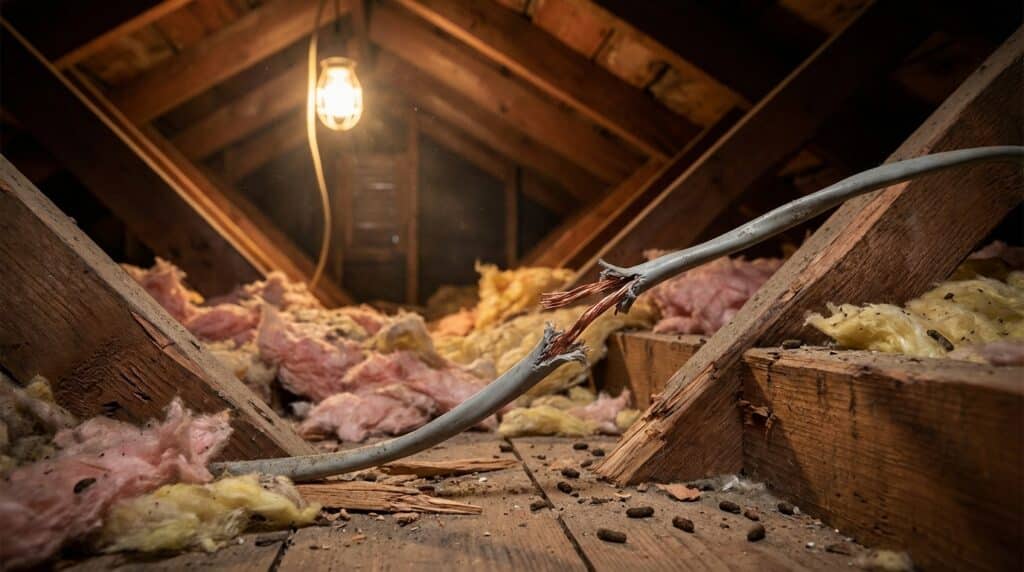
One of the most life-threatening dangers rodents pose is the risk of fire. They frequently strip the insulation from electrical wiring to use for nesting material, leaving the wires exposed within walls and attics. This creates a severe fire hazard from arcing, where electricity jumps between exposed wires, which can easily ignite surrounding wood, insulation, or nesting materials. An estimated 20-25% of all house fires of unknown origin are attributed to pests.
Contamination and Odor Issues
An established rodent colony creates a deeply unsanitary environment. Their urine and feces accumulate in walls, attics, and crawl spaces, soaking into insulation and wood. This not only poses the health risks mentioned earlier but also creates persistent, foul odors that are notoriously difficult to remove. In a commercial setting, such as a restaurant or retail store, these odors can drive customers away and ruin a business’s reputation.
Protecting Your Home and Health: Prevention and Control
Effective rodent management combines proactive prevention with targeted control strategies. Stopping an infestation before it begins is always the most effective approach, saving you from costly damage and health scares. A professional pest management plan is built on this very principle, creating a fortress around your property.
Exclusion: Sealing Entry Points
The single most effective long-term rodent control strategy is exclusion—physically blocking them from entering your home or business. A mouse can squeeze through a hole the size of a dime, and a rat can fit through a quarter-sized opening. We inspect properties for these vulnerabilities, sealing gaps around utility pipes, vents, foundation cracks, and under doors with rodent-proof materials like steel wool and robust sealants.
Sanitation: Eliminating Food and Water Sources
Rodents invade structures for three reasons: food, water, and shelter. Removing their access to these resources makes your property far less attractive.
- Store all food, including pet food, in airtight containers made of glass or heavy-duty plastic.
- Fix leaky faucets and pipes to eliminate water sources.
- Keep inside and outside garbage cans tightly sealed.
- Clear away clutter like woodpiles or debris near your foundation, which provide ideal rodent harborage.
Safe Cleanup Practices for Rodent Infestations
Cleaning up after rodents is hazardous work that requires specific safety protocols to avoid airborne disease transmission. Never sweep or vacuum dry droppings. The CDC recommends wearing rubber gloves and a mask, ventilating the area for at least 30 minutes, and spraying the droppings and urine with a 1:10 bleach-to-water solution. Let it soak for five minutes before wiping it up with a paper towel, then double-bag and dispose of all materials.
When to Call a Professional: Pest Control and Medical Advice
While DIY trapping can catch an occasional mouse, it rarely resolves an established infestation. Rodents are intelligent, reproduce quickly, and are adept at avoiding amateur control efforts. If you see signs of rodents—droppings, gnaw marks, or scurrying sounds—it’s time to call for professional help. Our technicians are trained not only in eradication but also in identifying and sealing entry points to prevent future invasions, a critical step often missed in DIY attempts. Our services are backed by a 100% Satisfaction Guarantee, ensuring the job is done right.
Common Questions About Rodent Dangers Answered
We receive questions daily from concerned homeowners and business managers across Salt Lake County and beyond. Below are answers to the most common queries about the real-world dangers posed by rodents.
Yes, rodent problems pose a massive risk to Utah businesses. A single sighting can destroy a restaurant's reputation, lead to negative online reviews, and result in failed health inspections. For warehouses and retail shops, rodents can damage thousands of dollars in inventory. Our expert commercial pest control services provide discreet and effective solutions to protect your business, employees, and customers.
Your Trusted Partner in Rodent Control
For over 20 years, Legacy Pest Control has protected Utah families and businesses from the dangers of pests. As a local, family-owned and operated company, we are deeply invested in the well-being of our communities. Our licensed technicians use proven Integrated Pest Management (IPM) strategies and eco-friendly solutions that are safe for children and pets. Choosing us means partnering with an experienced team dedicated to solving your problem for good.
We stand behind our work with a 30-day money-back guarantee, offering you complete peace of mind. We don’t just eliminate pests; we restore your sense of safety and security. Our team is also proud to support our community by offering a Military Discount for active and retired personnel.
Protect Your Property and Health with Confidence
A rodent problem is a threat that grows worse with time, increasing the risks to your health and the integrity of your property. Don’t wait for a close call with a disease or a fire hazard from chewed wiring to take action. Take control of the situation today with a professional assessment from a team you can trust. Let our two decades of experience work to safeguard your most valuable investments.
Contact Legacy Pest Control to get a free, no-obligation estimate for our comprehensive rodent control services. We will inspect your property, identify the source of the problem, and develop a customized plan to eliminate the threat and prevent its return. Protect your health, your property, and your peace of mind.
Related Reads:
Understanding and Preventing Common Spiders in Utah Homes
Why Are There So Many Spiders in Utah Homes?
You flip on the basement light and see one move across the wall.
You clear a corner, and another drops from the ceiling.
If you live in Ogden or anywhere along the Wasatch Front, you’ve probably asked yourself the same question. Why are spiders getting inside my house?
Here’s the thing. Utah’s climate creates the perfect setup for certain species to thrive. Dry summers, cold winters, and plenty of insects give spiders exactly what they need.
In this guide, you’ll learn how to identify common spiders in Utah, how to tell the difference between the hobo spider and the brown recluse debate, how to identify the black widow spiders that Utah homeowners worry about, and practical spider prevention tips for your home.
Let’s break it down.
What We’ll Cover:
- The most common spiders in Utah homes
- How to identify the black widow Utah species correctly
- Hobo spider vs brown recluse differences
- Why do spiders come inside your house
- Proven spider prevention tips for home protection
- When professional spider control makes sense
Common Spiders in Utah and How to Identify Them
If you’re searching for the common spiders Utah homeowners deal with, you’re likely to see one of these.
Black Widow Spiders
The black widow is the spider most people fear. And for good reason.

How to identify the black widow Utah species:
✔️ Shiny black body
✔️ Distinct red or orange hourglass on the underside
✔️ Round, bulb-like abdomen
✔️ Irregular, messy webs close to the ground
They prefer dark, undisturbed spaces like:
- Window wells
- Garages
- Crawl spaces
- Wood piles
- Outdoor sheds
While their venom is potent, bites are rare and typically occur when the spider is disturbed. You can learn more about seasonal activity in our guide to black widow spiders in winter.
Hobo Spiders
Hobo spiders are common across northern Utah.
They are:
✔️ Brown
✔️ Medium-sized
✔️ Fast-moving
✔️ Found in basements and ground-level areas
Their webs are funnel-shaped and usually found along foundations or in corners near the floor.
Wolf Spiders
These look intimidating but are not considered dangerous.
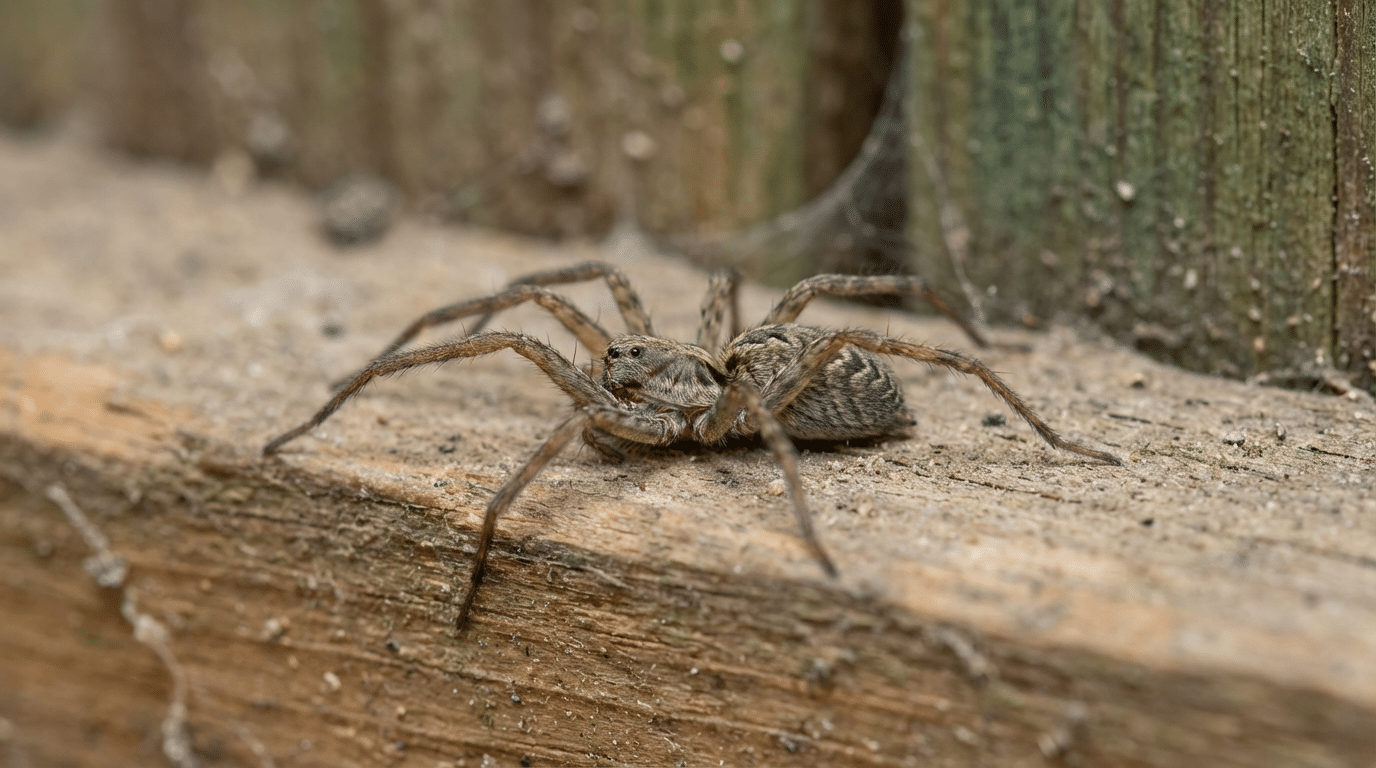
✔️ Large and hairy
✔️ Brown or gray
✔️ Fast runners
✔️ Do not build typical webs
They often wander indoors while hunting insects.
Cellar Spiders
Also called daddy long-legs.
✔️ Long thin legs
✔️ Small body
✔️ Found in ceilings and upper corners
✔️ Build loose, tangled webs
They are harmless but can make a space look neglected quickly.
What this really means is that most spiders inside Utah homes are not aggressive. But that does not make them welcome. For a broader look at local creepy crawlies, see Utahs 13 creepiest crawlers.
Hobo Spider vs Brown Recluse: Clearing Up the Confusion
Let’s address one of the most searched questions. Hobo spider vs brown recluse.
Here’s the truth.
Brown recluse spiders are extremely rare in Utah. They are primarily found in the Midwest and southern states. Despite this, many people believe they have seen one.
So how do you tell the difference?

Brown Recluse Characteristics
✔️ Light brown
✔️ Violin-shaped marking on the back
✔️ Six eyes arranged in pairs
✔️ Uniformly colored legs
Again, brown recluse spiders are not native to most of Utah.
Hobo Spider Characteristics
✔️ Brown with subtle chevron markings
✔️ Eight eyes
✔️ Found at ground level
✔️ Funnel webs near the foundation
The confusion usually happens because both are brown and similar in size.
If you’re in Ogden and see a brown spider in your basement, statistically, it is far more likely to be a hobo spider than a brown recluse.
Proper identification matters because panic often leads to overreaction. Accurate information helps you respond appropriately.
Why Spiders Come Inside Utah Homes
Spiders are not trying to attack you. They are looking for two things.
Food and shelter.
Utah homes provide both.

1. Insects Inside the Home
Spiders follow their food source. If you have ants, flies, or other insects, spiders will move in.
They are predators. Your insect issue becomes their opportunity. If ants are part of the problem, this guide on how to keep ants out of your house can help reduce their food supply.
2. Seasonal Weather Shifts
In fall and winter, temperatures drop quickly along the Wasatch Front.
Spiders move indoors seeking:
- Warmth
- Stable humidity
- Protected nesting areas
3. Foundation Cracks and Entry Points
Small gaps around:
- Windows
- Doors
- Utility penetrations
- Siding joints
These openings make access easy.
4. Clutter and Storage Areas
Boxes, storage bins, and undisturbed corners create perfect hiding spots.
The more undisturbed space available, the more comfortable spiders become.
If you’re seeing spiders regularly, it usually signals an underlying insect presence or easy access points.
Spider Prevention Tips for Home Protection
If you want real spider prevention tips, home protection requires consistency.
Here is what works.
Seal Entry Points
Start outside.
✔️ Caulk cracks around windows and doors
✔️ Repair torn window screens
✔️ Install door sweeps
✔️ Seal foundation gaps
If they cannot get in, they cannot settle.
Reduce Insect Activity
Remember, spiders follow food.
✔️ Keep exterior lights positioned away from doors
✔️ Clean up food debris
✔️ Store pantry goods in sealed containers
✔️ Address ant or fly problems quickly
Fewer insects equals fewer spiders.
Manage Outdoor Conditions
Your yard affects your interior.
✔️ Keep wood piles away from the house
✔️ Trim shrubs and bushes back from siding
✔️ Remove leaf litter near the foundation
✔️ Clear clutter from window wells
Black widows especially love cluttered, dark areas.
Declutter Indoor Storage
Basements and garages are common hotspots.
✔️ Store items in sealed plastic bins
✔️ Vacuum corners regularly
✔️ Reduce cardboard storage
Cardboard attracts insects. Insects attract spiders.
Regular Preventive Treatments
Preventative pest control creates a protective barrier around your home.
Quarterly treatments are especially effective in Utah because pest pressure shifts seasonally.
Spring brings ants. Summer increases flies and wasps. Fall drives spiders and rodents indoors.
Consistent treatment disrupts the food chain on which spiders depend. Learn more about how can regular pest control prevent future infestations.
When Spider Activity Signals a Bigger Issue
One spider occasionally is normal.
Seeing them regularly is not.
Warning signs:
✔️ Multiple webs appearing weekly
✔️ Egg sacs in corners
✔️ Frequent sightings in living areas
✔️ Black widows near entrances
This usually means one of two things.
You have an insect population supporting them.
Or your home has structural access points that need attention.
Ignoring spider activity can allow populations to grow quietly in undisturbed areas like crawl spaces or attics.
If you are unsure when to escalate the issue, here is guidance on when should you call a professional for pest problems.
Local Expertise Matters with Common Spiders Utah Residents Face
At Legacy Pest Control, we have worked with homeowners across Ogden and northern Utah for over 20 years.
We understand how seasonal shifts affect spider behavior here.
During colder months, we commonly treat:
- Black widows in garages and window wells
- Hobo spiders in basements
- Cellar spiders in storage areas
In warmer months, spider activity increases as insect populations rise.
Our approach focuses on:
✔️ Eliminating active spider populations
✔️ Reducing insect food sources
✔️ Creating a protective barrier around the home
✔️ Monitoring seasonal changes
According to Utah State University Extension research, habitat modification and exclusion are critical components of spider management in residential settings. Chemical treatment alone is rarely sufficient without preventive measures.
That is why long term prevention always combines structure sealing, habitat control, and strategic treatment. You can explore our full range of residential pest control solutions for Utah homes.
Ready to Reduce Spider Activity in Your Home
If spiders are becoming more frequent, it may be time to look beyond simple DIY fixes.
A preventative approach addresses:
- Entry points
- Insect food sources
- Seasonal migration
- Nesting zones
If you are in Ogden or nearby communities and want clarity on what is happening in your home, you can request a free quote and discuss treatment options through our contact page.
No pressure. Just clear answers.
Frequently Asked Questions About Common Spiders in Utah
Cooling temperatures drive spiders indoors seeking warmth and stable shelter. You can also review tips on how to prevent winter pests from moving in to reduce seasonal pressure.
Protect Your Utah Home from Common Spiders
Spiders are part of Utah’s ecosystem. But that does not mean they belong in your living space.
When you understand the common spiders Utah homeowners encounter, how to identify the black widow species in Utah, and the truth about hobo spider vs. brown recluse concerns, you gain control rather than fear.
The key is prevention. Seal entry points. Reduce insects. Maintain your yard. Stay consistent.
If spider activity continues despite your efforts, it may be time for a structured prevention plan.
Take the next step and explore your options for residential pest control protection. A well-protected home gives you one less thing to worry about.
For homeowners in Ogden and across northern Utah, understanding spider behavior is the first step. Preventing them from settling in is what keeps your home comfortable year-round.
How To Keep Rodents Out Of Your Home This Winter In Northern Utah

Learn how to keep rodents out of your home this winter in Northern Utah with expert inspection, exclusion, and safe removal from local pros you can trust.
Continue readingHow Quickly Can a Rodent Infestation Spread?

Wondering how quickly a rodent infestation can spread? Learn real timelines, early signs, risks, and when to call Utah rodent control experts.
Continue readingTermite Infestation Stages: From First Signs to Full Damage

Understanding Termite Infestation Stages in Utah Homes
If you have a home anywhere along the Wasatch Front and you have spotted strange wood damage, tiny wings on your windowsill, or thin mud lines along your foundation, you might be looking at the early signs of a termite problem. Many Utah homeowners first look for the early signs of a termite infestation once they start appearing. Most homeowners never notice termites until the damage is already underway. That is why understanding each stage of an infestation gives you a huge advantage.
This guide breaks down what happens as a colony grows, how to recognize every stage, and when the situation becomes urgent. If you live in northern Utah and want to protect your home before the damage becomes expensive, this walkthrough is for you.
What We Will Cover
- Early warning signs you should never ignore
- How termite colonies grow inside Utah homes
- What damage looks like at each stage
- When an infestation becomes a structural problem
- What you can realistically do at each stage
- When to call a professional for protection or repairs
Early Stage Termite Activity You Can Actually Spot
Early termite activity often slips under the radar because these pests work quietly and stay hidden. Here is the thing. Homeowners usually sense something is wrong long before they can confirm termites. This section helps you recognize the red flags.

What Early Warning Looks Like
The first stage usually shows up as subtle surface signs. Nothing alarming at first glance, but very meaningful once you know what you are looking at.
- Piles of discarded wings near doors or window tracks
- Small pencil-sized mud tubes are climbing your foundation
- Wood that sounds hollow when you tap it
- Paint bubbling or soft spots on baseboards
These signs tell you that scouts or a small foraging group has already established itself.
Why Utah Homes See These Early Signs
Northern Utah’s soil stays just moist enough in spring and fall to help termite colonies thrive. Homeowners searching for things you might not know about Utah termites often discover how well these pests adapt to the climate. Subterranean termites love shaded foundations, sprinkler overspray, mulch too close to siding, and older homes with wood in direct contact with the soil. These conditions create ideal entry points.
What This Stage Means For You
If you see even one of these signs, the colony is usually already active underground. Early treatment is straightforward at this point. Delay is what turns a simple fix into an expensive repair.
When Termites Become an Active Infestation
Once termites move past exploration and begin feeding inside walls or floors, you enter the active infestation stage. At this point, the damage becomes measurable.

What Active Infestation Looks Like
This stage produces clearer physical symptoms you can touch, hear, or see.
- Wood sounding hollow because termites are eating it from the inside
- Thin drywall cracks that seem to appear quickly
- Soft or warping floors
- Mud tubes that extend or begin branching
- Termites spotted under damaged wood
This is usually the moment homeowners begin searching online for answers.
How Long Does It Take To Reach This Stage
In Utah, once a colony is established, early structural erosion may appear in several months, depending on moisture and location. Termites do not work randomly. They create protected tunnels that allow hundreds or thousands of them to feed without being detected.
Why DIY Solutions Often Fail Here
Sprays and surface treatments do not reach the colony. Termites operate inside wood and within underground tunnels. This is where many homeowners spend money on temporary fixes, only to later read about DIY pest control mishaps when the damage worsens.
Structural Damage Stage: When the Problem Becomes Serious
This stage is where the issue moves from nuisance to real risk. Termites begin attacking load-bearing components, not just cosmetic trim.
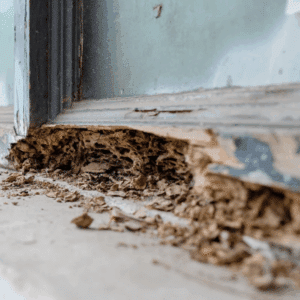
What Serious Damage Looks Like
Homeowners typically notice these changes during this stage:
- Baseboards that crumble when pressed
- Doors or windows that suddenly stick
- Floors that sag or dip in certain sections
- Sound changes when walking across the floor
- Significant drywall deformation
By this point, the colony has matured enough that workers feed continuously. Multiple tunnels are activ,e and the damage compounds quickly.
How Fast Damage Accelerates
A young colony can create cosmetic damage. A mature colony can weaken structural components. Homes with moisture problems may reach this stage sooner.
What This Stage Means For Your Home
Repairs become more expensive as this stage progresses. Professional intervention becomes essential. Inspections become more detailed, treatments more involved, and full colony elimination becomes urgent.
Full Infestation Stage and Long-Term Damage
This stage is less common for attentive homeowners but very common in vacant homes or rental properties. The colony is large, mature, and deeply rooted.
What Full Infestation Looks Like
- Visible tunneling in major support beams
- Floors that feel soft across entire rooms
- Walls bulging or warping
- Termites are visible when wood is disturbed
- Significant structural compromise in crawlspaces, basements, or decks
Long-Term Impact If Not Addressed
- Damage that affects resale value
- Higher difficulty with insurance claims due to termite exclusions
- Structural engineering repairs
- Safety hazards from weakened framing
Termites never stop feeding. They only expand the colony. Homeowners often learn more about this risk when reading about what termites do during the winter months.
How Professional Inspections Identify Each Stage
A professional inspection gives you clarity. Most people see only a small portion of what is actually happening below the surface.
During an inspection, Legacy Pest Control evaluates:
- Moisture levels around the foundation
- All wood to soil contact points
- Entry points around plumbing and crawlspaces
- Hidden tunnels behind walls or baseboards
- Subfloor damage patterns
- The likely size and age of the underground colony
Homebuyers often request inspections after reading about the value of getting a termite inspection before buying a home. An inspection removes the guesswork and gives you a clear picture of what is happening inside your home.
Take the Next Step With Confidence
If you suspect termites, the smartest move is a quick professional inspection. It is often free and gives you the information you need to protect your home. You can explore treatment options or preventative plans without pressure.
If you want more seasonal tips, you can also review our guide on reasons to continue pest control treatments in the wintertime.
Ready to take the next step? Get a Free Quote or learn more about how our preventative plans protect Utah homes throughout the year.
FAQ About Termite Infestations in Utah
Yes. Subterranean termites are very common throughout Weber, Davis, and Cache County. You can explore related pest concerns by reading about other dangerous pests in Utah homes.
Protect Your Utah Home Before Damage Spreads
If you have noticed early signs or even have a suspicion of termites, it is worth acting now. Termite activity is quiet and persistent. Early treatment is faster, easier, and far more affordable than waiting.
You can explore additional resources in our blog, read more about preventative plans, or request a free estimate. Protecting your home starts with knowing what stage you are dealing with.
The Top Warning Signs of a Termite Infestation Every Homeowner Should Know
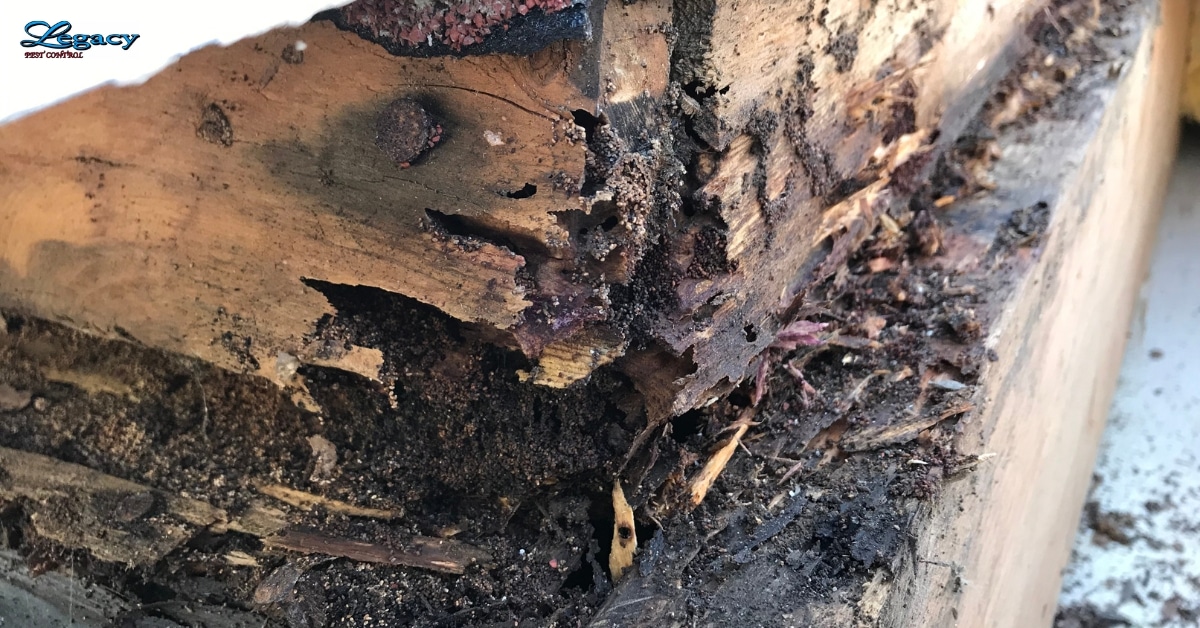
Spotting Termites Early Can Save Your Home
If you’ve noticed strange wood damage, tiny wings around windowsills, or mud-like streaks on your foundation, you might be closer to a termite problem than you think. Termites don’t make noise, they don’t show themselves, and by the time most homeowners realize what’s happening, the damage is already underway.
If you live in northern Utah, especially around Ogden, these early signs matter. Termites thrive in our soil conditions and seasonal moisture swings. Catching the warning signs quickly is one of the best ways to protect your home from expensive repairs.
This guide walks you through the most reliable signs, what they mean, and when it’s time to call for professional help so you can stay ahead of the problem.
What We’ll Cover:
- What termites look like and how to tell them apart from ants
- The most common warning signs around Utah homes
- Why these signs appear and what they mean
- What to do if you notice any of them
- Tips to prevent termites from spreading
The Fastest Way to Tell If You Have Termites
Let’s start with the basics. Termites leave clues even if you never see them directly. Homeowners usually notice one of three things first which include discarded wings, mud tubes, or hidden damage to wood.
Here’s what each one means and why it matters.

Discarded Wings Around Doors and Windows
Termites swarm in spring and early summer. When they find a place to settle, they shed their wings. If you find tiny clear wings near window tracks, baseboards, or sliding doors, that is usually a sign that a new colony is forming nearby. You can learn more about swarming behavior by exploring this guide on 7 signs of termites.
Ants shed wings too, but termite wings are equal in size and longer than the body. Ant wings are uneven and shorter.
Mud Tubes on Your Foundation
Subterranean termites are the dominant species in northern Utah. They build pencil-thin mud tubes along foundations, basements, or crawl spaces so they can travel from soil to wood.
If you see these tubes, the colony is active. Breaking one open and seeing live termites confirms the problem.
Hollow or Soft Wood
Tap along baseboards or exposed wood. If it sounds hollow or feels soft, termites may be tunneling behind it. They eat wood from the inside out. The surface often looks normal until damage becomes significant.
These are the three biggest red flags. If you ignore them, the colony keeps expanding.
More Warning Signs Homeowners Often Miss
Some signs are subtle. Others show up when the infestation has already been active for a while. It pays to know what to look for in either situation.
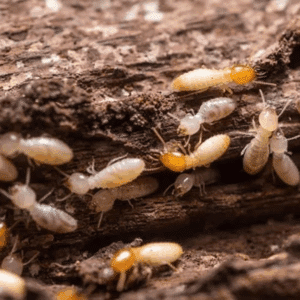
Bubbling Paint or Warped Trim
Homeowners often mistake this for water damage. In reality, termites bring moisture into their tunnels. This causes paint to bubble, floors to warp, and door frames to swell.
For other pests that damage structures, you may find this article helpful: Pests that can wreck your roof.
Small Piles of Frass
Frass is termite waste that looks like fine sand or coffee grounds. You might find it under window frames, along baseboards, or near damaged wood. Drywood termites leave frass behind, and while they are less common in Utah, experts still check for it during inspections.
Tight-Fitting Doors and Hard-To-Open Windows
When termites damage wood around frames, the wood shifts slightly. A smooth window track may suddenly stick. Doors become harder to latch. Many Utah homeowners notice this before spotting any visible damage.
Quiet Clicking Sounds Inside Walls
Termites communicate by tapping or chewing through wood. You probably will not hear it during the day. A quiet room at night might reveal faint ticking or clicking. It is a subtle but reliable sign.
Why Termites Target Utah Homes
Here’s the thing. Our region creates ideal conditions for subterranean termites. The Wasatch Front sees moisture in spring, hot soil in summer, and enough dampness in fall to keep tunnels intact.
Most homes in northern Utah also have the perfect food source. Wood framing, decks, fences, mulch beds, and even cardboard stored in basements can attract termites without warning.

A few reasons termites are so common here include:
- Utah has widespread subterranean termite activity
- Concrete foundations still have expansion joints that let termites in
- Sprinkler systems create moist soil near the home
- Older homes often have untreated wood touching soil
- Natural settling creates small cracks that termites exploit
If you want to learn even more about how termites thrive in our region, this article breaks it down clearly: 3 things you didn’t know about Utah termites.
Once a colony establishes itself, it keeps growing. A mature colony can contain hundreds of thousands of termites.
How Fast Termite Damage Gets Serious
Homeowners sometimes assume that termite damage takes decades to become a real problem. It does not take that long. A small colony can start weakening structural wood within months.
You will not see beams collapsing, but the damage behind walls becomes more expensive over time. Subfloors can weaken. Support beams can lose integrity. Flooring can shift.
By the time you see visible damage, the insects may have been active for years.
What To Do If You Spot Any Warning Sign
The most important thing is not to ignore it. Termites rarely go away on their own. Sweeping up wings or knocking down a mud tube will not stop the colony.
Here’s a smart first step:
- Take photos of what you see.
- Avoid disturbing the area.
- Check nearby wood or soil for more clues.
- Schedule a professional inspection.
A licensed technician can identify the species, locate the colony, and check common entry points around your home.
If you are preparing to buy a home or want to be extra careful before purchasing, you may find this resource helpful: Getting a termite inspection before buying a home.
At Legacy Pest Control, we inspect everything from crawl spaces to attic beams to make sure nothing is missed. We also look for moisture issues, foundation gaps, and soil contact that might be feeding the problem.
Treatment Options That Actually Work
The right treatment depends on how the termites entered and where the colony is located. The most effective solutions for Utah homes include the following.

Soil Treatments
Liquid treatments penetrate the soil around your foundation and create a long-lasting barrier. This blocks termites from entering the home and eliminates active colonies they travel from.
Baiting Systems
These systems attract termites to bait stations placed strategically around the property. Once the colony feeds on the bait, it spreads through the colony and eliminates it from the source.
Wood Treatments
Technicians may treat exposed wood in crawl spaces, basements, or attics to prevent future activity. This strengthens the wood and makes it less appealing to termites.
Ongoing Monitoring
Quarterly maintenance plans help prevent termites from returning. This also protects against other pests that become active across different seasons in northern Utah. To understand why year-round treatment matters, see this article on 3 reasons to continue pest control treatments in the wintertime.
Each home is different. This is why inspections matter so much. The solution has to match the structure, soil, and severity.
Our Experience With Utah Termite Problems
This is where expertise becomes practical. After more than 20 years serving northern Utah homes, we have seen everything from brand-new construction infestations to decades-old colonies inside older homes.
Most homeowners are shocked when they realize how quickly termites spread unseen. We focus on identifying the root issue, stopping the colony, and setting up year-round protection so the problem does not return.
Local experience matters. It also helps to understand the unique behavior of Utah’s subterranean termites and how they interact with soil and foundation types in our region.
To explore more helpful information like this, you can visit our full blog.
A Helpful Next Step if You Suspect Termites
If you have noticed wings, mud tubes, hollow wood, or anything that seems off, getting a free inspection gives you clarity. There is no pressure and no commitment. It simply helps you understand what is happening behind the scenes and what it would take to fix it.
If you want to better understand what to do and what to avoid before trying to handle termites yourself, you may want to read this: Things you should and shouldn’t do for termite control.
You can request an inspection or get a free quote anytime. It is one of the fastest ways to protect your home and avoid expensive structural repairs down the line.
Frequently Asked Questions
Termites have straight antennae, equal-length wings, and thick waists. Ants have bent antennae, uneven wings, and narrow waists. Wings around windows are the biggest giveaway. If you’re dealing with ants instead, here is a helpful guide on how to keep ants out of your house.
Spring and early summer are peak swarming times. Subterranean termites can still be active year-round as long as the soil stays warm enough. To understand winter activity better, see this article on do termites live in winter.
Protect Your Home Before Termites Spread
Catching termite activity early is one of the smartest things you can do for your home. The warning signs are subtle, but once you know where to look, you can spot the problem before it gets out of hand.
If anything in your home looks suspicious, even something small, scheduling an inspection can give you peace of mind. You will know exactly what is going on and what it takes to keep your home protected.
You can explore more helpful guides or reach out for a free quote whenever you are ready.
Black Widow Spiders in Winter? Why You Might See Them Indoors and How to Handle It

Why You Might Be Seeing Black Widow Spiders Inside This Winter
If you’ve spotted a glossy black spider with a red hourglass in your Utah garage, basement, or bathroom, it’s not your imagination. Black widow spiders don’t die off when the cold hits; they move in. These venomous spiders seek warmth, protection, and food, which often leads them right into homes across northern Utah.
This post will explain why black widows become more visible during winter, how to identify them safely, what attracts them indoors, and what to do if you find one. If you live in Ogden or nearby and you’re noticing more spiders than usual, you’re not alone.
Let’s break down what’s happening and how to handle it with confidence.
What We’ll Cover:
- Why Black Widow Spiders Move Indoors in Winter
- How to Identify a Black Widow in Your Home
- How Dangerous Are They, Really?
- Steps to Safely Handle and Prevent Black Widow Infestations
- How a Local Pest Control Team Can Help
- Local Expertise and Real Utah Data
- Ready to Take the Next Step?
- FAQs About Black Widow Spiders in Utah Homes
- Why Homeowners Trust Legacy Pest Control
Why Black Widow Spiders Move Indoors in Winter
Here’s the thing: black widow spiders don’t hibernate. When temperatures drop, they look for places that stay warm and dry. That means garages, crawlspaces, and basements become prime real estate.

In northern Utah, where winters can be long and cold, black widows often find their way into:
- Storage boxes and cluttered corners
- Utility rooms and basements
- Under stairwells and furniture
- Around garage doors, vents, or foundation cracks
They don’t come inside because they want to interact with people. They’re simply looking for warmth, prey such as small insects, and undisturbed hiding spots.
The problem is that once they settle in, their webs and egg sacs can multiply quickly, turning one accidental visitor into a bigger issue by spring.
For more insight on seasonal pest behavior, see 3 Reasons to Continue Pest Control Treatments in the Wintertime.
How to Identify a Black Widow in Your Home
Before you panic, it’s worth confirming what you’re looking at. Utah has plenty of spiders, but only one is likely to give you a real reason for concern.

Here’s what to look for:
- Color: Jet black with a shiny, smooth body
- Marking: Distinct red or orange hourglass shape on the underside of the abdomen
- Size: Females are about 1.5 inches long including legs; males are smaller and lighter in color
- Webs: Irregular, tangled webs low to the ground, often near clutter or dark spaces
If you see a spider that matches this description, avoid handling it. Most black widow bites occur when someone accidentally disturbs their hiding spot.
Tip: Use a flashlight and long-handled tool to inspect suspected areas instead of reaching in blindly.
How Dangerous Are They, Really?
Let’s set the record straight. A black widow bite can be painful, but serious reactions are rare, especially with quick medical attention. Still, this is a spider you don’t want to share a room with.

Their venom affects the nervous system, causing:
- Localized pain or swelling
- Muscle cramps or nausea
- Restlessness or sweating
Children, pets, and older adults are more likely to experience stronger symptoms. If you suspect a bite, it’s always best to seek medical care right away.
From a pest control standpoint, the real issue isn’t the danger of a single spider. It’s that finding one often means there are more in hidden corners. That’s when professional help becomes important.
Learn how to keep your home pest-free even during cold weather with How to Prevent Winter Pests from Moving In.
How to Handle and Prevent Black Widow Infestations
Here’s how to deal with black widows safely and reduce the chance of seeing them again.
1. Start with Prevention
- Seal entry points: Caulk cracks around windows, doors, and foundations.
- Declutter storage areas: Spiders love quiet, undisturbed corners.
- Reduce outdoor attractants: Keep porch lights minimal at night to avoid attracting the insects they feed on.
- Vacuum webs: Use a long attachment to remove webs and egg sacs safely.
2. Handle Encounters Carefully
If you find one:
- Do not try to squish or spray it directly.
- Wear gloves and long sleeves if working nearby.
- Capture it only if you must for identification.
When in doubt, call in a professional. DIY sprays or smashing can trigger defensive bites or scatter egg sacs. For more guidance, check out DIY Pest Control Mishaps.
3. Schedule Regular Pest Control
Even with prevention, some spiders will still find their way in. That’s where quarterly pest control services come in. By keeping an active treatment plan, you prevent new infestations and stop existing ones before they spread.
Local Expertise and Real Utah Data
In Utah’s cold months, black widows don’t disappear; they relocate. According to the Utah State University Extension, these spiders remain active year-round in sheltered environments. Once temperatures fall below 40°F, they move indoors to survive.
At Legacy Pest Control, our team often finds black widows in:
- Garage storage bins and unused corners in Ogden homes
- Underneath outdoor furniture stored for the winter
- Inside crawlspaces and unfinished basements near the Wasatch Front
This is why preventative pest control isn’t seasonal. Homes across northern Utah are most at risk in late fall through early spring, when black widows, rodents, and other pests are driven inside by the cold.
Adding a quarterly treatment plan ensures your home stays protected from pests year-round, not just when you see them. You can also explore Preventive Pest Control in Utah to understand how ongoing care keeps homes pest-free.
What This Really Means for Utah Homeowners
At Legacy Pest Control, we’ve helped northern Utah homeowners deal with everything from black widow infestations to seasonal mouse problems for over 20 years. Our team understands how these pests behave during Utah winters and how to stop them without disrupting your home.
Our technicians inspect, identify, and treat the exact problem areas where black widows hide, offering a 4–6 week satisfaction guarantee and full coverage through discounted quarterly service plans.
If you’re finding black widows inside, it’s not about panic. It’s about prevention and local expertise that keeps your home safe year-round.
Ready to Take the Next Step?
If you’re seeing black widows in or around your home, it’s time to act before the problem grows. Our team provides free quotes, same-week service, and ongoing protection that adapts with the seasons.
Get Your Free Quote Today or call (801) 779-3131 to schedule your inspection with a trusted local expert.
FAQs About Black Widow Spiders in Utah
Why Homeowners Trust Legacy Pest Control
When it comes to pest control in northern Utah, homeowners want more than a service. They want peace of mind. Legacy Pest Control has built that trust over two decades with a simple promise: protecting local homes as if they were our own.
Here’s what sets us apart:
- 20+ Years of Local Experience: We understand Utah’s seasonal pest cycles better than anyone.
- Family-Owned and Operated: You’ll work directly with a team that cares about your safety, not a corporate call center.
- Licensed and Insured in Utah: Certified professionals using safe, approved treatments.
- 4.9-Star Local Reviews: Homeowners across Ogden and Logan trust our results.
- Guaranteed Service: If pests return, we’ll re-treat your home at no cost.
- Free Quotes and Financing Options: Affordable protection for every home.
With Legacy Pest Control, you get a partner, not just a provider.
Protect Your Home from Winter Spiders
Black widow spiders don’t take the winter off, and neither should your pest control plan. By understanding why they move indoors and acting quickly, you can keep your home safe, comfortable, and pest-free all year long.
For a professional inspection and treatment plan tailored to northern Utah homes, contact Legacy Pest Control today or request your free quote online.


