
Termite Infestation Stages: From First Signs to Full Damage

Understanding Termite Infestation Stages in Utah Homes
If you have a home anywhere along the Wasatch Front and you have spotted strange wood damage, tiny wings on your windowsill, or thin mud lines along your foundation, you might be looking at the early signs of a termite problem. Many Utah homeowners first look for the early signs of a termite infestation once they start appearing. Most homeowners never notice termites until the damage is already underway. That is why understanding each stage of an infestation gives you a huge advantage.
This guide breaks down what happens as a colony grows, how to recognize every stage, and when the situation becomes urgent. If you live in northern Utah and want to protect your home before the damage becomes expensive, this walkthrough is for you.
What We Will Cover
- Early warning signs you should never ignore
- How termite colonies grow inside Utah homes
- What damage looks like at each stage
- When an infestation becomes a structural problem
- What you can realistically do at each stage
- When to call a professional for protection or repairs
Early Stage Termite Activity You Can Actually Spot
Early termite activity often slips under the radar because these pests work quietly and stay hidden. Here is the thing. Homeowners usually sense something is wrong long before they can confirm termites. This section helps you recognize the red flags.
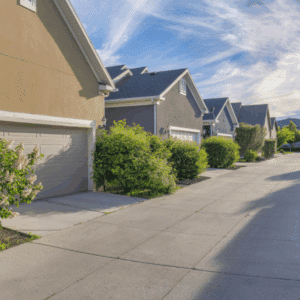
What Early Warning Looks Like
The first stage usually shows up as subtle surface signs. Nothing alarming at first glance, but very meaningful once you know what you are looking at.
- Piles of discarded wings near doors or window tracks
- Small pencil-sized mud tubes are climbing your foundation
- Wood that sounds hollow when you tap it
- Paint bubbling or soft spots on baseboards
These signs tell you that scouts or a small foraging group has already established itself.
Why Utah Homes See These Early Signs
Northern Utah’s soil stays just moist enough in spring and fall to help termite colonies thrive. Homeowners searching for things you might not know about Utah termites often discover how well these pests adapt to the climate. Subterranean termites love shaded foundations, sprinkler overspray, mulch too close to siding, and older homes with wood in direct contact with the soil. These conditions create ideal entry points.
What This Stage Means For You
If you see even one of these signs, the colony is usually already active underground. Early treatment is straightforward at this point. Delay is what turns a simple fix into an expensive repair.
When Termites Become an Active Infestation
Once termites move past exploration and begin feeding inside walls or floors, you enter the active infestation stage. At this point, the damage becomes measurable.
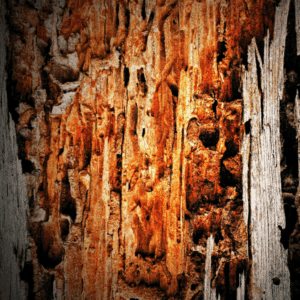
What Active Infestation Looks Like
This stage produces clearer physical symptoms you can touch, hear, or see.
- Wood sounding hollow because termites are eating it from the inside
- Thin drywall cracks that seem to appear quickly
- Soft or warping floors
- Mud tubes that extend or begin branching
- Termites spotted under damaged wood
This is usually the moment homeowners begin searching online for answers.
How Long Does It Take To Reach This Stage
In Utah, once a colony is established, early structural erosion may appear in several months, depending on moisture and location. Termites do not work randomly. They create protected tunnels that allow hundreds or thousands of them to feed without being detected.
Why DIY Solutions Often Fail Here
Sprays and surface treatments do not reach the colony. Termites operate inside wood and within underground tunnels. This is where many homeowners spend money on temporary fixes, only to later read about DIY pest control mishaps when the damage worsens.
Structural Damage Stage: When the Problem Becomes Serious
This stage is where the issue moves from nuisance to real risk. Termites begin attacking load-bearing components, not just cosmetic trim.
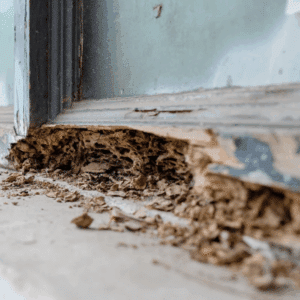
What Serious Damage Looks Like
Homeowners typically notice these changes during this stage:
- Baseboards that crumble when pressed
- Doors or windows that suddenly stick
- Floors that sag or dip in certain sections
- Sound changes when walking across the floor
- Significant drywall deformation
By this point, the colony has matured enough that workers feed continuously. Multiple tunnels are activ,e and the damage compounds quickly.
How Fast Damage Accelerates
A young colony can create cosmetic damage. A mature colony can weaken structural components. Homes with moisture problems may reach this stage sooner.
What This Stage Means For Your Home
Repairs become more expensive as this stage progresses. Professional intervention becomes essential. Inspections become more detailed, treatments more involved, and full colony elimination becomes urgent.
Full Infestation Stage and Long-Term Damage
This stage is less common for attentive homeowners but very common in vacant homes or rental properties. The colony is large, mature, and deeply rooted.
What Full Infestation Looks Like
- Visible tunneling in major support beams
- Floors that feel soft across entire rooms
- Walls bulging or warping
- Termites are visible when wood is disturbed
- Significant structural compromise in crawlspaces, basements, or decks
Long-Term Impact If Not Addressed
- Damage that affects resale value
- Higher difficulty with insurance claims due to termite exclusions
- Structural engineering repairs
- Safety hazards from weakened framing
Termites never stop feeding. They only expand the colony. Homeowners often learn more about this risk when reading about what termites do during the winter months.
How Professional Inspections Identify Each Stage
A professional inspection gives you clarity. Most people see only a small portion of what is actually happening below the surface.
During an inspection, Legacy Pest Control evaluates:
- Moisture levels around the foundation
- All wood to soil contact points
- Entry points around plumbing and crawlspaces
- Hidden tunnels behind walls or baseboards
- Subfloor damage patterns
- The likely size and age of the underground colony
Homebuyers often request inspections after reading about the value of getting a termite inspection before buying a home. An inspection removes the guesswork and gives you a clear picture of what is happening inside your home.
Take the Next Step With Confidence
If you suspect termites, the smartest move is a quick professional inspection. It is often free and gives you the information you need to protect your home. You can explore treatment options or preventative plans without pressure.
If you want more seasonal tips, you can also review our guide on reasons to continue pest control treatments in the wintertime.
Ready to take the next step? Get a Free Quote or learn more about how our preventative plans protect Utah homes throughout the year.
FAQ About Termite Infestations in Utah
Yes. Subterranean termites are very common throughout Weber, Davis, and Cache County. You can explore related pest concerns by reading about other dangerous pests in Utah homes.
Protect Your Utah Home Before Damage Spreads
If you have noticed early signs or even have a suspicion of termites, it is worth acting now. Termite activity is quiet and persistent. Early treatment is faster, easier, and far more affordable than waiting.
You can explore additional resources in our blog, read more about preventative plans, or request a free estimate. Protecting your home starts with knowing what stage you are dealing with.

Latest posts by Legacy Pest Control (see all)
- How To Keep Rodents Out Of Your Home This Winter In Northern Utah - December 12, 2025
- How Quickly Can a Rodent Infestation Spread? - December 11, 2025
- Termite Infestation Stages: From First Signs to Full Damage - December 5, 2025


