
Pest Control News Archives
How Quickly Can a Rodent Infestation Spread?

Wondering how quickly a rodent infestation can spread? Learn real timelines, early signs, risks, and when to call Utah rodent control experts.
Continue readingTermite Infestation Stages: From First Signs to Full Damage

Understanding Termite Infestation Stages in Utah Homes
If you have a home anywhere along the Wasatch Front and you have spotted strange wood damage, tiny wings on your windowsill, or thin mud lines along your foundation, you might be looking at the early signs of a termite problem. Many Utah homeowners first look for the early signs of a termite infestation once they start appearing. Most homeowners never notice termites until the damage is already underway. That is why understanding each stage of an infestation gives you a huge advantage.
This guide breaks down what happens as a colony grows, how to recognize every stage, and when the situation becomes urgent. If you live in northern Utah and want to protect your home before the damage becomes expensive, this walkthrough is for you.
What We Will Cover
- Early warning signs you should never ignore
- How termite colonies grow inside Utah homes
- What damage looks like at each stage
- When an infestation becomes a structural problem
- What you can realistically do at each stage
- When to call a professional for protection or repairs
Early Stage Termite Activity You Can Actually Spot
Early termite activity often slips under the radar because these pests work quietly and stay hidden. Here is the thing. Homeowners usually sense something is wrong long before they can confirm termites. This section helps you recognize the red flags.

What Early Warning Looks Like
The first stage usually shows up as subtle surface signs. Nothing alarming at first glance, but very meaningful once you know what you are looking at.
- Piles of discarded wings near doors or window tracks
- Small pencil-sized mud tubes are climbing your foundation
- Wood that sounds hollow when you tap it
- Paint bubbling or soft spots on baseboards
These signs tell you that scouts or a small foraging group has already established itself.
Why Utah Homes See These Early Signs
Northern Utah’s soil stays just moist enough in spring and fall to help termite colonies thrive. Homeowners searching for things you might not know about Utah termites often discover how well these pests adapt to the climate. Subterranean termites love shaded foundations, sprinkler overspray, mulch too close to siding, and older homes with wood in direct contact with the soil. These conditions create ideal entry points.
What This Stage Means For You
If you see even one of these signs, the colony is usually already active underground. Early treatment is straightforward at this point. Delay is what turns a simple fix into an expensive repair.
When Termites Become an Active Infestation
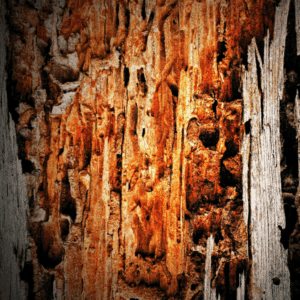
Once termites move past exploration and begin feeding inside walls or floors, you enter the active infestation stage. At this point, the damage becomes measurable.
What Active Infestation Looks Like
This stage produces clearer physical symptoms you can touch, hear, or see.
- Wood sounding hollow because termites are eating it from the inside
- Thin drywall cracks that seem to appear quickly
- Soft or warping floors
- Mud tubes that extend or begin branching
- Termites spotted under damaged wood
This is usually the moment homeowners begin searching online for answers.
How Long Does It Take To Reach This Stage
In Utah, once a colony is established, early structural erosion may appear in several months, depending on moisture and location. Termites do not work randomly. They create protected tunnels that allow hundreds or thousands of them to feed without being detected.
Why DIY Solutions Often Fail Here
Sprays and surface treatments do not reach the colony. Termites operate inside wood and within underground tunnels. This is where many homeowners spend money on temporary fixes, only to later read about DIY pest control mishaps when the damage worsens.
Structural Damage Stage: When the Problem Becomes Serious
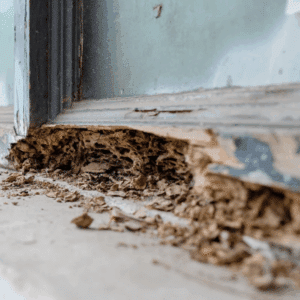
This stage is where the issue moves from nuisance to real risk. Termites begin attacking load-bearing components, not just cosmetic trim.
What Serious Damage Looks Like
Homeowners typically notice these changes during this stage:
- Baseboards that crumble when pressed
- Doors or windows that suddenly stick
- Floors that sag or dip in certain sections
- Sound changes when walking across the floor
- Significant drywall deformation
By this point, the colony has matured enough that workers feed continuously. Multiple tunnels are activ,e and the damage compounds quickly.
How Fast Damage Accelerates
A young colony can create cosmetic damage. A mature colony can weaken structural components. Homes with moisture problems may reach this stage sooner.
What This Stage Means For Your Home
Repairs become more expensive as this stage progresses. Professional intervention becomes essential. Inspections become more detailed, treatments more involved, and full colony elimination becomes urgent.
Full Infestation Stage and Long-Term Damage
This stage is less common for attentive homeowners but very common in vacant homes or rental properties. The colony is large, mature, and deeply rooted.
What Full Infestation Looks Like
- Visible tunneling in major support beams
- Floors that feel soft across entire rooms
- Walls bulging or warping
- Termites are visible when wood is disturbed
- Significant structural compromise in crawlspaces, basements, or decks
Long-Term Impact If Not Addressed
- Damage that affects resale value
- Higher difficulty with insurance claims due to termite exclusions
- Structural engineering repairs
- Safety hazards from weakened framing
Termites never stop feeding. They only expand the colony. Homeowners often learn more about this risk when reading about what termites do during the winter months.
How Professional Inspections Identify Each Stage
A professional inspection gives you clarity. Most people see only a small portion of what is actually happening below the surface.
During an inspection, Legacy Pest Control evaluates:
- Moisture levels around the foundation
- All wood to soil contact points
- Entry points around plumbing and crawlspaces
- Hidden tunnels behind walls or baseboards
- Subfloor damage patterns
- The likely size and age of the underground colony
Homebuyers often request inspections after reading about the value of getting a termite inspection before buying a home. An inspection removes the guesswork and gives you a clear picture of what is happening inside your home.
Take the Next Step With Confidence
If you suspect termites, the smartest move is a quick professional inspection. It is often free and gives you the information you need to protect your home. You can explore treatment options or preventative plans without pressure.
If you want more seasonal tips, you can also review our guide on reasons to continue pest control treatments in the wintertime.
Ready to take the next step? Get a Free Quote or learn more about how our preventative plans protect Utah homes throughout the year.
FAQ About Termite Infestations in Utah
Yes. Subterranean termites are very common throughout Weber, Davis, and Cache County. You can explore related pest concerns by reading about other dangerous pests in Utah homes.
Protect Your Utah Home Before Damage Spreads
If you have noticed early signs or even have a suspicion of termites, it is worth acting now. Termite activity is quiet and persistent. Early treatment is faster, easier, and far more affordable than waiting.
You can explore additional resources in our blog, read more about preventative plans, or request a free estimate. Protecting your home starts with knowing what stage you are dealing with.
The Top Warning Signs of a Termite Infestation Every Homeowner Should Know
Spotting Termites Early Can Save Your Home
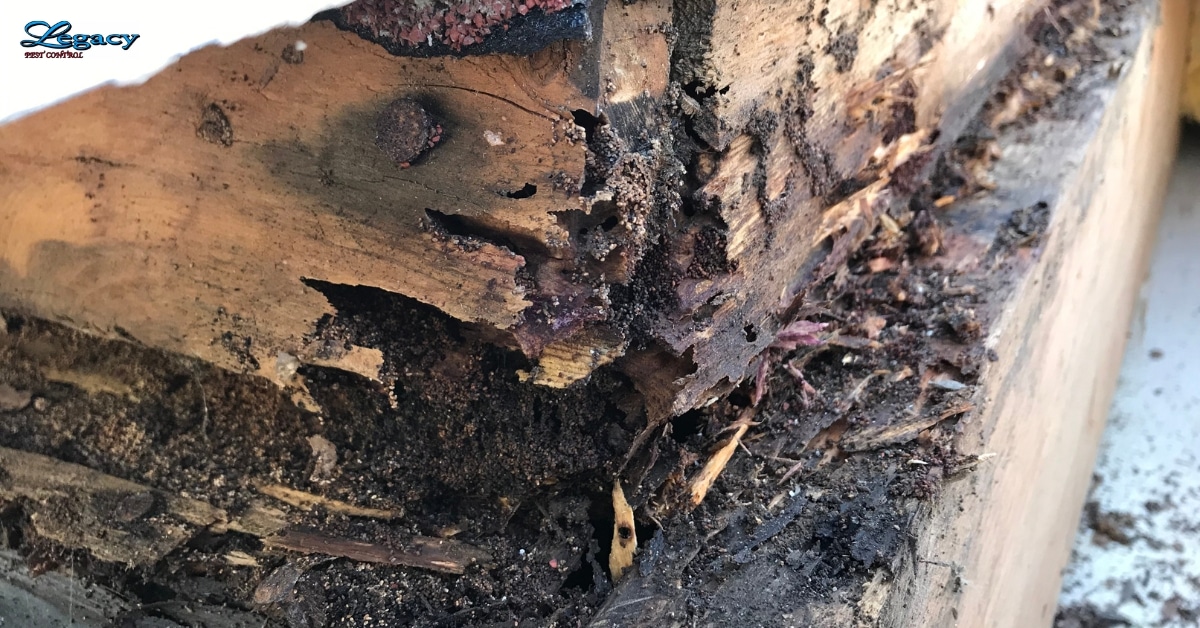
If you’ve noticed strange wood damage, tiny wings around windowsills, or mud-like streaks on your foundation, you might be closer to a termite problem than you think. Termites don’t make noise, they don’t show themselves, and by the time most homeowners realize what’s happening, the damage is already underway.
If you live in northern Utah, especially around Ogden, these early signs matter. Termites thrive in our soil conditions and seasonal moisture swings. Catching the warning signs quickly is one of the best ways to protect your home from expensive repairs.
This guide walks you through the most reliable signs, what they mean, and when it’s time to call for professional help so you can stay ahead of the problem.
What We’ll Cover:
- What termites look like and how to tell them apart from ants
- The most common warning signs around Utah homes
- Why these signs appear and what they mean
- What to do if you notice any of them
- Tips to prevent termites from spreading
The Fastest Way to Tell If You Have Termites
Let’s start with the basics. Termites leave clues even if you never see them directly. Homeowners usually notice one of three things first which include discarded wings, mud tubes, or hidden damage to wood.
Here’s what each one means and why it matters.

Discarded Wings Around Doors and Windows
Termites swarm in spring and early summer. When they find a place to settle, they shed their wings. If you find tiny clear wings near window tracks, baseboards, or sliding doors, that is usually a sign that a new colony is forming nearby. You can learn more about swarming behavior by exploring this guide on 7 signs of termites.
Ants shed wings too, but termite wings are equal in size and longer than the body. Ant wings are uneven and shorter.
Mud Tubes on Your Foundation
Subterranean termites are the dominant species in northern Utah. They build pencil-thin mud tubes along foundations, basements, or crawl spaces so they can travel from soil to wood.
If you see these tubes, the colony is active. Breaking one open and seeing live termites confirms the problem.
Hollow or Soft Wood
Tap along baseboards or exposed wood. If it sounds hollow or feels soft, termites may be tunneling behind it. They eat wood from the inside out. The surface often looks normal until damage becomes significant.
These are the three biggest red flags. If you ignore them, the colony keeps expanding.
More Warning Signs Homeowners Often Miss
Some signs are subtle. Others show up when the infestation has already been active for a while. It pays to know what to look for in either situation.
Bubbling Paint or Warped Trim
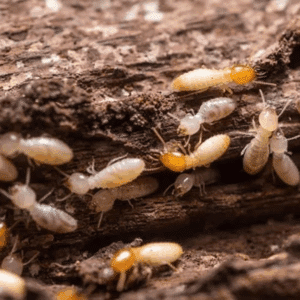
Homeowners often mistake this for water damage. In reality, termites bring moisture into their tunnels. This causes paint to bubble, floors to warp, and door frames to swell.
For other pests that damage structures, you may find this article helpful: Pests that can wreck your roof.
Small Piles of Frass
Frass is termite waste that looks like fine sand or coffee grounds. You might find it under window frames, along baseboards, or near damaged wood. Drywood termites leave frass behind, and while they are less common in Utah, experts still check for it during inspections.
Tight-Fitting Doors and Hard-To-Open Windows
When termites damage wood around frames, the wood shifts slightly. A smooth window track may suddenly stick. Doors become harder to latch. Many Utah homeowners notice this before spotting any visible damage.
Quiet Clicking Sounds Inside Walls
Termites communicate by tapping or chewing through wood. You probably will not hear it during the day. A quiet room at night might reveal faint ticking or clicking. It is a subtle but reliable sign.
Why Termites Target Utah Homes
Here’s the thing. Our region creates ideal conditions for subterranean termites. The Wasatch Front sees moisture in spring, hot soil in summer, and enough dampness in fall to keep tunnels intact.
Most homes in northern Utah also have the perfect food source. Wood framing, decks, fences, mulch beds, and even cardboard stored in basements can attract termites without warning.

A few reasons termites are so common here include:
- Utah has widespread subterranean termite activity
- Concrete foundations still have expansion joints that let termites in
- Sprinkler systems create moist soil near the home
- Older homes often have untreated wood touching soil
- Natural settling creates small cracks that termites exploit
If you want to learn even more about how termites thrive in our region, this article breaks it down clearly: 3 things you didn’t know about Utah termites.
Once a colony establishes itself, it keeps growing. A mature colony can contain hundreds of thousands of termites.
How Fast Termite Damage Gets Serious
Homeowners sometimes assume that termite damage takes decades to become a real problem. It does not take that long. A small colony can start weakening structural wood within months.
You will not see beams collapsing, but the damage behind walls becomes more expensive over time. Subfloors can weaken. Support beams can lose integrity. Flooring can shift.
By the time you see visible damage, the insects may have been active for years.
What To Do If You Spot Any Warning Sign
The most important thing is not to ignore it. Termites rarely go away on their own. Sweeping up wings or knocking down a mud tube will not stop the colony.
Here’s a smart first step:
- Take photos of what you see.
- Avoid disturbing the area.
- Check nearby wood or soil for more clues.
- Schedule a professional inspection.
A licensed technician can identify the species, locate the colony, and check common entry points around your home.
If you are preparing to buy a home or want to be extra careful before purchasing, you may find this resource helpful: Getting a termite inspection before buying a home.
At Legacy Pest Control, we inspect everything from crawl spaces to attic beams to make sure nothing is missed. We also look for moisture issues, foundation gaps, and soil contact that might be feeding the problem.
Treatment Options That Actually Work
The right treatment depends on how the termites entered and where the colony is located. The most effective solutions for Utah homes include the following.

Soil Treatments
Liquid treatments penetrate the soil around your foundation and create a long-lasting barrier. This blocks termites from entering the home and eliminates active colonies they travel from.
Baiting Systems
These systems attract termites to bait stations placed strategically around the property. Once the colony feeds on the bait, it spreads through the colony and eliminates it from the source.
Wood Treatments
Technicians may treat exposed wood in crawl spaces, basements, or attics to prevent future activity. This strengthens the wood and makes it less appealing to termites.
Ongoing Monitoring
Quarterly maintenance plans help prevent termites from returning. This also protects against other pests that become active across different seasons in northern Utah. To understand why year-round treatment matters, see this article on 3 reasons to continue pest control treatments in the wintertime.
Each home is different. This is why inspections matter so much. The solution has to match the structure, soil, and severity.
Our Experience With Utah Termite Problems
This is where expertise becomes practical. After more than 20 years serving northern Utah homes, we have seen everything from brand-new construction infestations to decades-old colonies inside older homes.
Most homeowners are shocked when they realize how quickly termites spread unseen. We focus on identifying the root issue, stopping the colony, and setting up year-round protection so the problem does not return.
Local experience matters. It also helps to understand the unique behavior of Utah’s subterranean termites and how they interact with soil and foundation types in our region.
To explore more helpful information like this, you can visit our full blog.
A Helpful Next Step if You Suspect Termites
If you have noticed wings, mud tubes, hollow wood, or anything that seems off, getting a free inspection gives you clarity. There is no pressure and no commitment. It simply helps you understand what is happening behind the scenes and what it would take to fix it.
If you want to better understand what to do and what to avoid before trying to handle termites yourself, you may want to read this: Things you should and shouldn’t do for termite control.
You can request an inspection or get a free quote anytime. It is one of the fastest ways to protect your home and avoid expensive structural repairs down the line.
Frequently Asked Questions
Termites have straight antennae, equal-length wings, and thick waists. Ants have bent antennae, uneven wings, and narrow waists. Wings around windows are the biggest giveaway. If you’re dealing with ants instead, here is a helpful guide on how to keep ants out of your house.
Spring and early summer are peak swarming times. Subterranean termites can still be active year-round as long as the soil stays warm enough. To understand winter activity better, see this article on do termites live in winter.
Protect Your Home Before Termites Spread
Catching termite activity early is one of the smartest things you can do for your home. The warning signs are subtle, but once you know where to look, you can spot the problem before it gets out of hand.
If anything in your home looks suspicious, even something small, scheduling an inspection can give you peace of mind. You will know exactly what is going on and what it takes to keep your home protected.
You can explore more helpful guides or reach out for a free quote whenever you are ready.
Black Widow Spiders in Winter? Why You Might See Them Indoors and How to Handle It

Why You Might Be Seeing Black Widow Spiders Inside This Winter
If you’ve spotted a glossy black spider with a red hourglass in your Utah garage, basement, or bathroom, it’s not your imagination. Black widow spiders don’t die off when the cold hits; they move in. These venomous spiders seek warmth, protection, and food, which often leads them right into homes across northern Utah.
This post will explain why black widows become more visible during winter, how to identify them safely, what attracts them indoors, and what to do if you find one. If you live in Ogden or nearby and you’re noticing more spiders than usual, you’re not alone.
Let’s break down what’s happening and how to handle it with confidence.
What We’ll Cover:
- Why Black Widow Spiders Move Indoors in Winter
- How to Identify a Black Widow in Your Home
- How Dangerous Are They, Really?
- Steps to Safely Handle and Prevent Black Widow Infestations
- How a Local Pest Control Team Can Help
- Local Expertise and Real Utah Data
- Ready to Take the Next Step?
- FAQs About Black Widow Spiders in Utah Homes
- Why Homeowners Trust Legacy Pest Control
Why Black Widow Spiders Move Indoors in Winter
Here’s the thing: black widow spiders don’t hibernate. When temperatures drop, they look for places that stay warm and dry. That means garages, crawlspaces, and basements become prime real estate.

In northern Utah, where winters can be long and cold, black widows often find their way into:
- Storage boxes and cluttered corners
- Utility rooms and basements
- Under stairwells and furniture
- Around garage doors, vents, or foundation cracks
They don’t come inside because they want to interact with people. They’re simply looking for warmth, prey such as small insects, and undisturbed hiding spots.
The problem is that once they settle in, their webs and egg sacs can multiply quickly, turning one accidental visitor into a bigger issue by spring.
For more insight on seasonal pest behavior, see 3 Reasons to Continue Pest Control Treatments in the Wintertime.
How to Identify a Black Widow in Your Home
Before you panic, it’s worth confirming what you’re looking at. Utah has plenty of spiders, but only one is likely to give you a real reason for concern.

Here’s what to look for:
- Color: Jet black with a shiny, smooth body
- Marking: Distinct red or orange hourglass shape on the underside of the abdomen
- Size: Females are about 1.5 inches long including legs; males are smaller and lighter in color
- Webs: Irregular, tangled webs low to the ground, often near clutter or dark spaces
If you see a spider that matches this description, avoid handling it. Most black widow bites occur when someone accidentally disturbs their hiding spot.
Tip: Use a flashlight and long-handled tool to inspect suspected areas instead of reaching in blindly.
How Dangerous Are They, Really?
Let’s set the record straight. A black widow bite can be painful, but serious reactions are rare, especially with quick medical attention. Still, this is a spider you don’t want to share a room with.

Their venom affects the nervous system, causing:
- Localized pain or swelling
- Muscle cramps or nausea
- Restlessness or sweating
Children, pets, and older adults are more likely to experience stronger symptoms. If you suspect a bite, it’s always best to seek medical care right away.
From a pest control standpoint, the real issue isn’t the danger of a single spider. It’s that finding one often means there are more in hidden corners. That’s when professional help becomes important.
Learn how to keep your home pest-free even during cold weather with How to Prevent Winter Pests from Moving In.
How to Handle and Prevent Black Widow Infestations
Here’s how to deal with black widows safely and reduce the chance of seeing them again.
1. Start with Prevention
- Seal entry points: Caulk cracks around windows, doors, and foundations.
- Declutter storage areas: Spiders love quiet, undisturbed corners.
- Reduce outdoor attractants: Keep porch lights minimal at night to avoid attracting the insects they feed on.
- Vacuum webs: Use a long attachment to remove webs and egg sacs safely.
2. Handle Encounters Carefully
If you find one:
- Do not try to squish or spray it directly.
- Wear gloves and long sleeves if working nearby.
- Capture it only if you must for identification.
When in doubt, call in a professional. DIY sprays or smashing can trigger defensive bites or scatter egg sacs. For more guidance, check out DIY Pest Control Mishaps.
3. Schedule Regular Pest Control
Even with prevention, some spiders will still find their way in. That’s where quarterly pest control services come in. By keeping an active treatment plan, you prevent new infestations and stop existing ones before they spread.
Local Expertise and Real Utah Data
In Utah’s cold months, black widows don’t disappear; they relocate. According to the Utah State University Extension, these spiders remain active year-round in sheltered environments. Once temperatures fall below 40°F, they move indoors to survive.
At Legacy Pest Control, our team often finds black widows in:
- Garage storage bins and unused corners in Ogden homes
- Underneath outdoor furniture stored for the winter
- Inside crawlspaces and unfinished basements near the Wasatch Front
This is why preventative pest control isn’t seasonal. Homes across northern Utah are most at risk in late fall through early spring, when black widows, rodents, and other pests are driven inside by the cold.
Adding a quarterly treatment plan ensures your home stays protected from pests year-round, not just when you see them. You can also explore Preventive Pest Control in Utah to understand how ongoing care keeps homes pest-free.
What This Really Means for Utah Homeowners
At Legacy Pest Control, we’ve helped northern Utah homeowners deal with everything from black widow infestations to seasonal mouse problems for over 20 years. Our team understands how these pests behave during Utah winters and how to stop them without disrupting your home.
Our technicians inspect, identify, and treat the exact problem areas where black widows hide, offering a 4–6 week satisfaction guarantee and full coverage through discounted quarterly service plans.
If you’re finding black widows inside, it’s not about panic. It’s about prevention and local expertise that keeps your home safe year-round.
Ready to Take the Next Step?
If you’re seeing black widows in or around your home, it’s time to act before the problem grows. Our team provides free quotes, same-week service, and ongoing protection that adapts with the seasons.
Get Your Free Quote Today or call (801) 779-3131 to schedule your inspection with a trusted local expert.
FAQs About Black Widow Spiders in Utah
Why Homeowners Trust Legacy Pest Control
When it comes to pest control in northern Utah, homeowners want more than a service. They want peace of mind. Legacy Pest Control has built that trust over two decades with a simple promise: protecting local homes as if they were our own.
Here’s what sets us apart:
- 20+ Years of Local Experience: We understand Utah’s seasonal pest cycles better than anyone.
- Family-Owned and Operated: You’ll work directly with a team that cares about your safety, not a corporate call center.
- Licensed and Insured in Utah: Certified professionals using safe, approved treatments.
- 4.9-Star Local Reviews: Homeowners across Ogden and Logan trust our results.
- Guaranteed Service: If pests return, we’ll re-treat your home at no cost.
- Free Quotes and Financing Options: Affordable protection for every home.
With Legacy Pest Control, you get a partner, not just a provider.
Protect Your Home from Winter Spiders
Black widow spiders don’t take the winter off, and neither should your pest control plan. By understanding why they move indoors and acting quickly, you can keep your home safe, comfortable, and pest-free all year long.
For a professional inspection and treatment plan tailored to northern Utah homes, contact Legacy Pest Control today or request your free quote online.
What Are the Three Rules for Pest Control?

Why Understanding Pest Control Rules Matters
If you’ve ever spotted ants marching across your kitchen, heard scratching in the attic, or found spider webs tucked into basement corners, you know how unsettling pests can be. Beyond the discomfort, pests pose health risks, create mess, and can even damage your property. The good news is that effective pest control isn’t complicated once you know the rules. This article breaks down the three core rules every homeowner or business should follow, why they matter, and how to put them into practice.
What We’ll Cover:
- The Three Rules of Pest Control Explained
- Why Prevention Comes First
- How to Use Pest Control Methods Safely
- When to Call a Professional
- FAQs About Pest Control
The Three Rules of Pest Control Explained

Here’s the simple truth: all effective pest control comes down to three rules.
- Identify the problem accurately.You can’t solve a pest issue without knowing what you’re up against. Identifying the pest correctly guides the treatment plan. For example, treating fruit flies is different from dealing with house flies.
- Use the right solution safely.Once you know the pest, apply the correct solution in a way that protects people, pets, and property. Prevention is always the first step. When chemical treatment is necessary, it should be targeted and handled responsibly.
- Monitor and maintain.Even after pests are gone, the job isn’t done. Regular inspections, preventative treatments, and good home practices help ensure they don’t return.
These three rules form the foundation for everything else you’ll read here.
Why Prevention Comes First
The old saying “an ounce of prevention is worth a pound of cure” applies perfectly to pest control. Preventing pests from entering your home or business is simpler, safer, and cheaper than dealing with infestations.

Practical prevention steps include:
- Sealing cracks around windows, doors, and foundations
- Storing food in airtight containers
- Keeping trash sealed and removed regularly
- Fixing leaky pipes and eliminating standing water
- Maintaining landscaping to reduce hiding places for rodents and insects
For example, ants are one of Utah’s most common household invaders. Knowing how to keep ants out of your house through prevention strategies will save you headaches later.
When you make prevention routine, you dramatically reduce the need for reactive treatments.
How to Use Pest Control Methods Safely
Many people think pest control starts with sprays or traps, but safety should always come first. Misusing products can put families, pets, and the environment at risk.
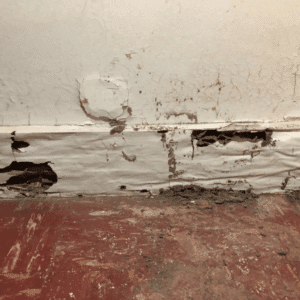
Key safety rules:
- Always read and follow product labels carefully
- Use pesticides only in areas where they are approved
- Never overapply or mix chemicals without professional guidance
- Store products away from children and animals
It’s worth remembering that even well-intentioned efforts can backfire. Stories of DIY pest control mishaps show just how risky improper use can be.
The Environmental Protection Agency stresses prevention and proper use of pesticides as critical to safe pest management. Taking shortcuts here can lead to costly mistakes.
When to Call a Professional
Some pest issues are manageable with DIY methods, but others need expert help. Knowing when to make the call is just as important as prevention.
You should reach out to a professional when:
- You’ve tried prevention and pests keep coming back
- You suspect structural damage caused by pests
- The infestation is large or spreading quickly
- Health risks are present, such as rodents or cockroaches in food areas
For instance, rodents can cause serious health and property issues. Watch for the 5 signs you have mice so you’ll know when to act quickly.
At Legacy Pest Control, we’ve helped Utah families and businesses tackle these exact situations for more than 20 years. Our team knows how to eliminate the problem quickly and put systems in place to keep it from coming back.
Building Trust Through Experience
Legacy Pest Control isn’t just another service provider. We’re a family-owned company that has worked with thousands of homeowners and businesses across Northern Utah. Our technicians are licensed, trained, and experienced in dealing with the specific pests common to our region. That means our advice and solutions are grounded in real-world experience, not theory.
We’ve seen everything from termites that can wreck your roof to infestations that spread through entire neighborhoods. This depth of experience means we can spot issues quickly and recommend the right fix the first time.
Ready to Protect Your Home or Business?
If you’re tired of worrying about pests or dealing with recurring infestations, it might be time for a professional touch.
✅ Ready to take the next step? Get a Free Quote or Explore Our Services.
We make it simple to get started, and our quarterly service plans are designed to keep you covered year-round.
FAQs About Pest Control
The three rules are:
- Identify the pest correctly. Not all pests behave the same way, and misidentifying them leads to wasted effort and money. A mouse infestation is different from a rat problem, and carpenter ants require different treatment than sugar ants.
- Use the right solution safely. The best approach is always prevention. When treatment is required, using the proper product or method in the correct amount ensures safety for your family, pets, and property.
- Monitor and maintain. Pest control isn’t a one-time job. Regular inspections and preventative steps keep pests from coming back and reduce the chances of a costly infestation.
Prevention matters because pests thrive when they find easy access to food, water, and shelter. Once they’re established, eliminating them often takes more time, effort, and money than keeping them out in the first place. Sealing gaps, reducing clutter, storing food properly, and removing standing water makes your property far less attractive to pests. Prevention also reduces the need for chemical treatments, making it safer for your family and pets. Seasonal prevention also matters. For instance, here are summer preventative pest control tips to stay ahead of warm-weather invaders.
DIY methods can be effective for small or early-stage problems. Setting traps for a few mice, using natural deterrents for ants, or cleaning up conditions that attract pests often works well. The challenge comes when infestations grow or pests are resilient. Bed bugs, termites, and roaches are examples where DIY efforts usually fall short. In those cases, professional expertise is needed to identify hidden sources, apply targeted treatments, and prevent recurrence. If you’re battling bed bugs, you may want to read how to get rid of bed bugs effectively.
Safety should always be your top priority. Always read and follow label instructions carefully. Apply pesticides only in approved areas and never use more than recommended. Keep children and pets away during and after applications until it is safe to return, based on the product instructions. Store products in locked or elevated areas where kids and pets cannot reach them. If you’re unsure how to use a product or feel uncomfortable handling it, hire a licensed professional to do the work for you.
There are clear signs it’s time to call in a professional:
- You’ve tried DIY solutions and pests continue to return
- You see evidence of structural damage, like chewed wires or weakened wood
- The infestation is widespread, spreading from one area to another
- You’re dealing with pests that carry health risks, such as rodents or cockroaches in food preparation areas
- You want the peace of mind of long-term prevention with regular service plans
Protect Your Home the Right Way
Pests don’t just disappear on their own. By following the three rules of pest control, you set yourself up for a healthier, safer, and more comfortable space. Prevention, safe practices, and professional support when needed are the keys to lasting peace of mind.
Looking to learn more or take action today? Explore our pest control services or request a free quote. With Legacy Pest Control, you’ll have a trusted partner keeping your home or business pest-free.
Related Reads:
What to Do Immediately After Finding Bed Bugs?
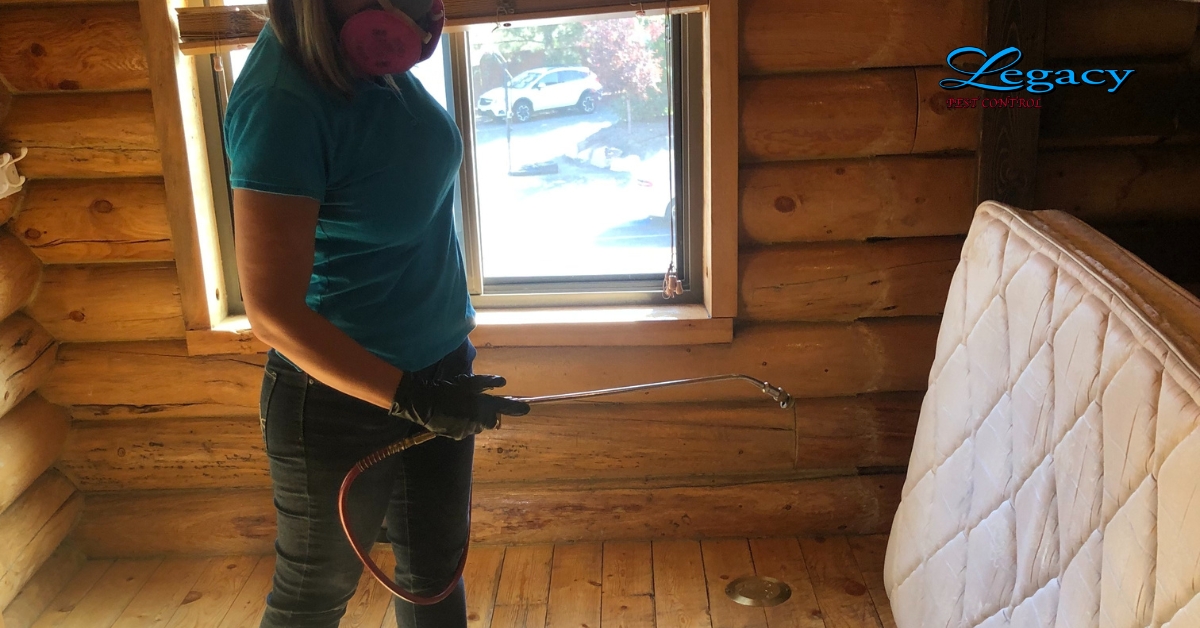
You’re changing your sheets or sitting on the couch, and suddenly—there it is. A minor, reddish bug you think might be a bed bug. Your heart sinks. What now?
If you’re in Ogden or Salt Lake, you’re not alone. Bed bug infestations are more common than people think, and the good news? You can act fast to contain the problem. This guide breaks down exactly what to do within the first 24 hours of finding bed bugs—whether it’s one bug or a full-blown invasion.
Let’s stop the spread and regain control.
What We’ll Cover
- Spotting Bed Bugs: Confirming the Signs
- Emergency Steps to Take Immediately
- DIY vs. Professional Help: What Really Works
- Long-Term Prevention: Keeping Them Out for Good
- When to Call Legacy Pest Control
- Frequently Asked Questions
Spotting Bed Bugs: Confirming the Signs
Before diving into treatment, it’s crucial to confirm the culprit:
Signs of a bed bug infestation:
- Reddish-brown bugs, 1/4 inch long, flat and oval
- Small blood stains or black specks (fecal spots) on sheets
- Musty odor near furniture or bedding
- Itchy, red bites in a line or cluster (often on arms or legs)
Tip: Use a flashlight to check seams of your mattress, couch cushions, and behind baseboards.
If you’re unsure, take a clear photo and compare it to verified sources, such as the EPA Bed Bug Identification Guide.
Emergency Steps to Take Immediately
Once you confirm the presence of bed bugs, act fast to stop them from spreading:
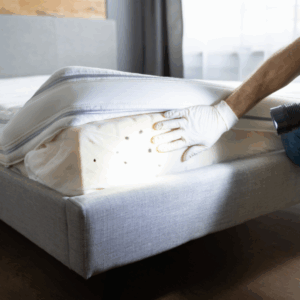
- Isolate the Area:
- Avoid moving bedding/clothing to other rooms.
- Keep guests and pets away from the infested zone.
- Hot Wash & Dry Bedding:
- Wash sheets, pillowcases, and blankets in hot water (at least 120°F).
- Dry on the highest heat setting for at least 30 minutes.
- Vacuum Thoroughly:
- Vacuum mattress seams, furniture, cracks, and floor edges.
- Empty the vacuum immediately and dispose of the bag outside.
- Declutter & Contain:
- Remove nearby clutter (magazines, clothes, boxes).
- Store in sealed plastic bins or garbage bags until treated.
Avoid using store-bought foggers, as they often disperse bed bugs further into your home.
DIY vs. Professional Help: What Really Works
Some minor infestations may be controlled with diligence, but DIY has limits:
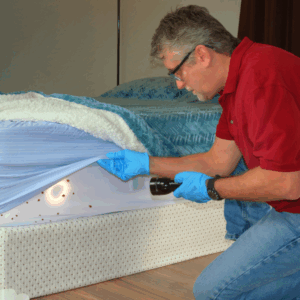
DIY Bed Bug Methods:
- Mattress encasements
- Steam treatments (kills eggs & bugs on contact)
- Bed bug intercept traps (detects activity)
However, many over-the-counter sprays are ineffective against hidden bugs and unhatched eggs.
Why Professional Treatment Wins:
- Trained experts detect bugs in walls, outlets, and furniture.
- Heat treatments or integrated pest management ensure full eradication.
- Follow-up inspections verify complete elimination.
At Legacy Pest Control, we’ve helped hundreds of Utah homeowners eliminate bed bugs quickly and discreetly with proven strategies.
Long-Term Prevention: Keeping Them Out for Good

After treatment, prevention is key to keeping bed bugs from returning:
- Inspect secondhand furniture before bringing it inside.
- Travel smart: Always inspect the hotel mattress and keep your luggage off the bed.
- Use encasements on all mattresses and box springs.
- Vacuum weekly and reduce clutter where bugs could hide.
- Schedule regular inspections if you live in a multi-unit housing complex.
Bed bugs don’t care how clean your home is, but staying vigilant helps.
When to Call Legacy Pest Control
If you’ve spotted more than one bed bug or suspect the problem goes beyond your mattress, it’s time to bring in the pros.
We offer:
- Free inspections for Northern Utah residents
- Safe, family-friendly treatments with minimal disruption
- Discounted quarterly services to prevent future infestations
Don’t wait until the infestation spreads—we’re here to help with fast, affordable, and discreet service.
Frequently Asked Questions
Stop the Spread, Start the Fix
Finding bed bugs is unsettling, but taking the proper first steps can make all the difference. Whether it’s a single sighting or a growing infestation, fast action protects your home and peace of mind.
Need help? Legacy Pest Control is here for you with local expertise, friendly service, and proven results.
Can You Tell If You Have Termites? 7 Key Signs Every Utah Homeowner Should Know
What We’ll Cover
- Top 7 Warning Signs of Termites
- How to Check for Termites Yourself (Safely)
- Termites vs. Ants: Key Differences
- When to Call a Professional Pest Control Team
- What Happens If You Ignore the Problem
Think you might have termites?
Get peace of mind with a no-obligation inspection from our local experts.
Top 7 Warning Signs of Termites
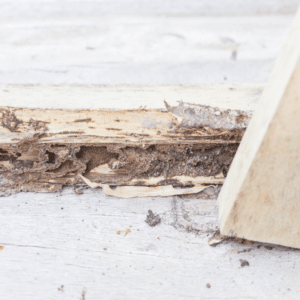
Termites can be stealthy, but these telltale signs can tip you off before severe damage is done:
- Mud Tubes on walls or foundation edges
- Discarded Wings near windowsills or door frames
- Hollow Sounding Wood when tapped
- Frass (Termite Droppings) that resemble sawdust or coffee grounds
- Tight-fitting Doors and Windows (caused by warping)
- Cracked Paint or Bubbling Drywall
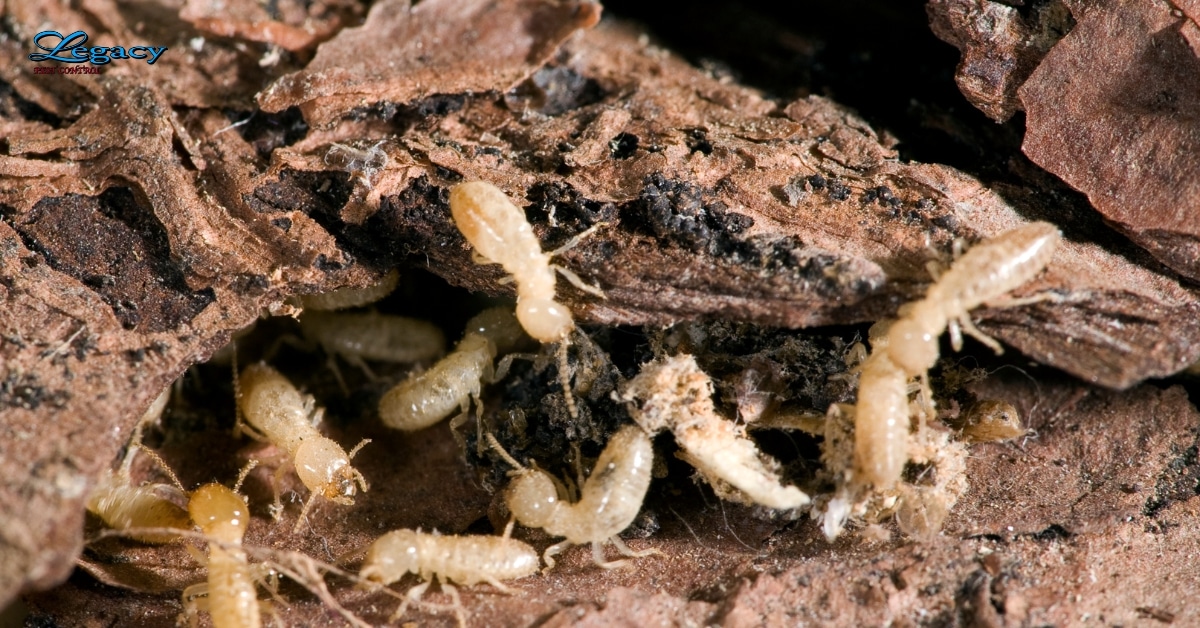
- Live Termites (white, ant-like insects) spotted during renovations
Pro Tip: Shine a flashlight along baseboards or in crawl spaces — visible mud lines or pinholes can be early indicators.
Request Your Free Termite Quote
How to Check for Termites Yourself (Safely)
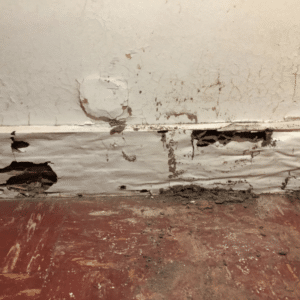
You don’t need to rip up your floors — just follow these simple checks:
- Inspect Baseboards and TrimTap wooden surfaces and listen for a hollow sound.
- Look Behind Stored Items in BasementsTermites love dark, undisturbed places.
- Shine a Light in Crawl Spaces or AtticsUse a flashlight to check beams and joists for mud tubes or damage.
- Check Window Frames from the OutsideEspecially after rain, termites may swarm in these weak spots.
Always wear gloves and avoid disturbing visible termite nests
Termites vs. Ants: Key Differences
Confusing termites with ants is common — but they behave and damage differently
| Feature | Termites | Ants |
| Antennae | Straight | Elbowed |
| Body Shape | Broad waist | Pinched waist |
| Wings (Swarmers) | Equal size | Unequal size |
| Color | Creamy white / brown | Reddish-black or dark brown |
If you’re unsure, take a clear photo and send it to a pest expert.
When to Call a Professional Pest Control Team
If you’ve noticed any of the above signs — even just one — it’s time to call in an expert.
At Legacy Pest Control, we’ve helped thousands of homeowners across northern Utah identify and eliminate termite infestations before they become disasters. Our free quote and inspection can save you hundreds — if not thousands — in damage.
We also offer quarterly prevention plans so termites don’t come back.
What Happens If You Ignore the Problem
Waiting too long can cause:
- Structural damage to floors and walls
- Unsafe electrical issues if termites chew near wires
- Expensive home repairs
- Insurance headaches (many policies don’t cover termite damage)
Early detection is key. A 15-minute inspection could prevent a $15,000 problem.
Frequently Asked Questions About Termites
Why You Can Trust Legacy Pest Control
Legacy Pest Control has proudly served the Ogden area for over 15 years, offering affordable and reliable pest control. Our team is licensed, family-owned, and trusted by thousands of local families. For more on termite science, visit the EPA’s termite guide.
Protecting Your Home from Termite Damage
Termites can quietly destroy a home from the inside out — but if you know what to look for, you can stop them in their tracks.
Watch for the signs, do a quick DIY check, and if in doubt, get help. Whether you’ve seen frass, mud tubes, or strange wood damage, Legacy Pest Control is here to help.
Learn More About Our Pest Control Plans
You may also want to explore:
What Brings Bed Bugs Into Your Home (And How You Can Stop Them)

Waking up with mysterious bites? Wondering how bed bugs found their way into your life? You’re not alone. Bed bug infestations can feel like they happen overnight, causing stress, frustration, and sleepless nights.
If you’re in Ogden or anywhere in Northern Utah and struggling with bed bugs, this guide is for you. Let’s uncover the hidden ways these pests invade your space—and most importantly, how you can kick them out for good.
What We’ll Cover
- How Bed Bugs Get Into Homes
- Surprising Ways You Might Attract Bed Bugs
- Early Warning Signs of a Bed Bug Infestation
- How to Prevent Bed Bugs from Coming Back
- When to Call a Professional for Help
How Bed Bugs Get Into Homes
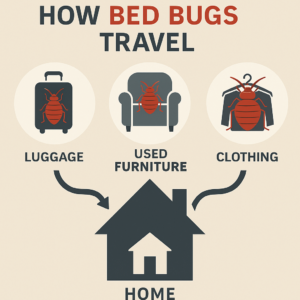
Bed bugs are sneaky hitchhikers. They don’t just “appear”; they travel by clinging to:
- Luggage and travel bags (especially from hotels or public transportation)
- Used furniture or mattresses bought secondhand
- Clothing or belongings after visiting infested spaces
- Shared walls in apartment complexes and hotels
At Legacy Pest Control, we’ve seen it all: families returning from vacations, college students coming home, even moving trucks unknowingly transporting these pests.
Quick Tip: Always inspect hotel beds and furniture seams when traveling!
If you suspect an infestation, our bed bug extermination services are proven to eliminate the problem efficiently.
Surprising Ways You Might Attract Bed Bugs
You might be surprised to learn that bed bugs don’t discriminate — clean homes, luxury hotels, small apartments, it doesn’t matter.
Common bed bug magnets include:
- Leaving laundry piles on the floor (easy hiding spots)
- Traveling frequently without checking your luggage
- Buying second-hand furniture without inspecting carefully
- High-density living environments (college dorms, apartment buildings)
Even frequent guests visiting from an infested home can unknowingly carry bed bugs into yours.
For tips on maintaining a pest-free environment year-round, check out our advice on preventive pest control.

Early Warning Signs of a Bed Bug Infestation
Catching a bed bug problem early can save you time, stress, and money. Here’s what to look for:
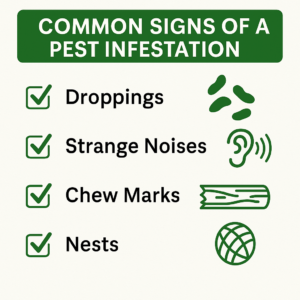
- Tiny red bites in a line or cluster, usually overnight
- Small blood stains on your sheets
- Musty, unpleasant odors around the bed
- Shed skins or tiny white eggs in mattress seams or furniture cracks
If you spot any of these, act quickly! Bed bugs multiply fast.
Learn more about early pest infestation signs and why early detection matters.
How to Prevent Bed Bugs from Coming Back
Once you handle an infestation, prevention is key. Here’s how you can protect your home long-term:
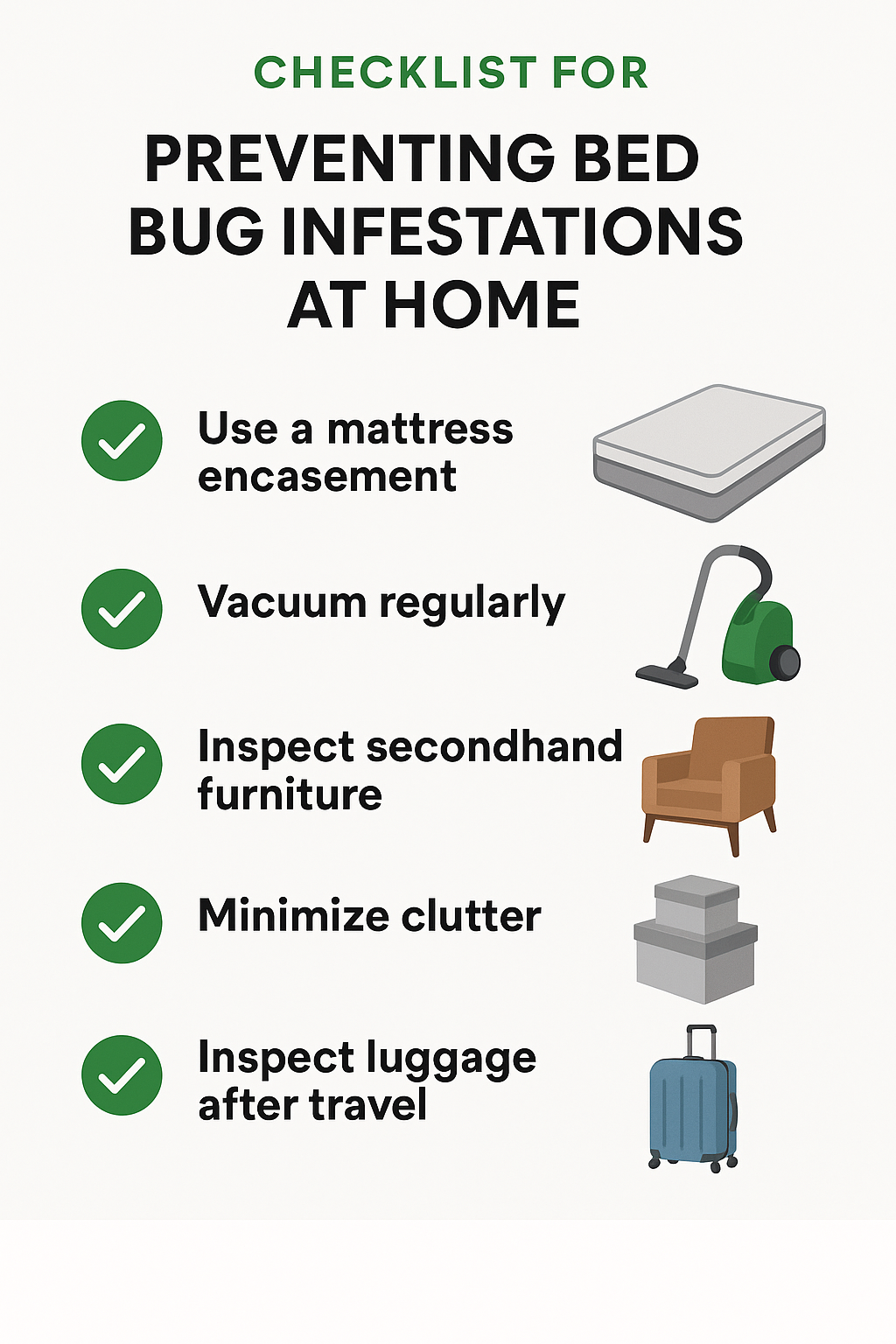
- Use bed bug-proof mattress encasements
- Vacuum carpets, rugs, and upholstered furniture regularly
- Minimize clutter (fewer hiding spots)
- Inspect second-hand purchases carefully
- Be cautious during travel — inspect luggage before bringing it inside
At Legacy Pest Control, we offer quarterly preventative treatments to ensure your home stays protected, season after season.
Explore how we help keep homes pest-free with our residential pest control services.
When to Call a Professional for Help
DIY efforts can help in minor cases, but bed bugs are notoriously hard to eliminate completely without professional-grade treatments.
You should consider calling in experts if:
- You see multiple signs (bites, stains, live bugs)
- Home remedies don’t work after a week or two
- You have a large or spreading infestation
Find out more about when to call a professional for pest problems.
Call the Experts Today for Bed Bug Removal
Bed bugs are clever invaders, but they aren’t unbeatable. By understanding how they get in, spotting them early, and acting decisively, you can protect your home and your peace of mind.
Need expert help? Legacy Pest Control is just a call away. With over 15 years serving the Ogden area, we’re ready to help you reclaim your home—quickly, safely, and affordably.
FAQ
Sources: Healthline, EPA, CDC.
At Legacy Pest Control, we’ve helped hundreds of Northern Utah families find relief from bed bugs with proven, affordable treatments.
Are Businesses Required to Have Pest Control?
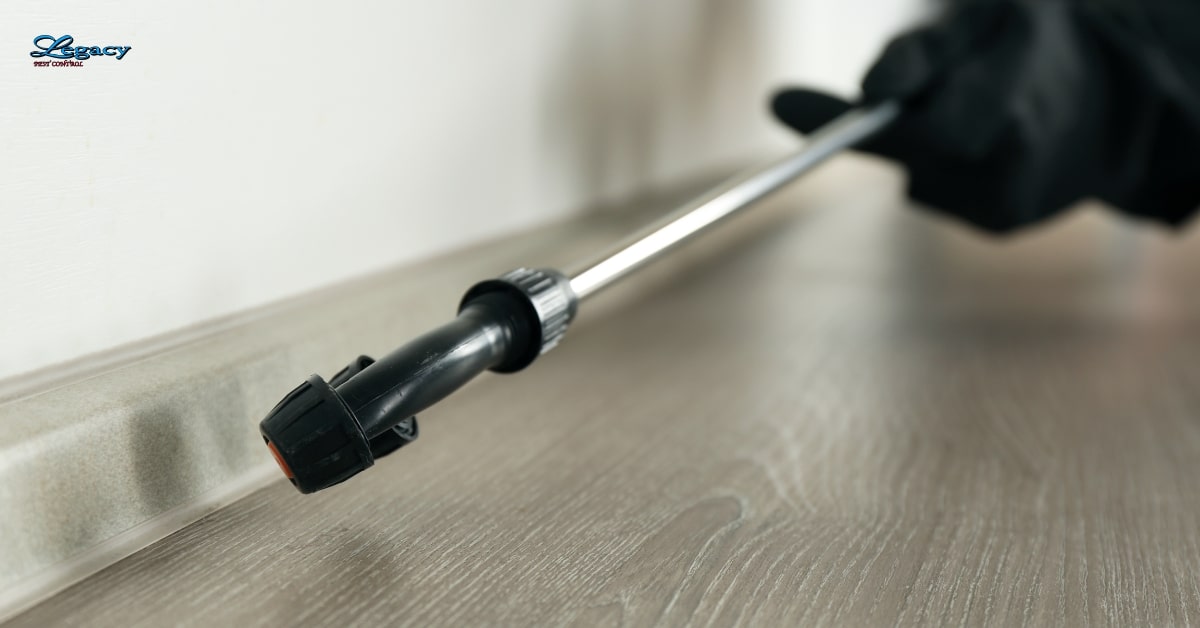
Pests are more than just an inconvenience; they can pose significant risks to businesses, from health violations to property damage and reputational harm. Whether you’re running a restaurant, a retail store, or an office in Utah, keeping your business pest-free isn’t just about aesthetics—it’s often a legal requirement. But what exactly do business pest control requirements entail?
March into Pest-Free Living

In Ogden, Utah, the onset of warmer temperatures can often bring unwanted guests into our homes and businesses. As we march into a new season, it’s time to consider professional pest control services to secure our spaces from these intruders.


