
Understanding and Preventing Common Spiders in Utah Homes
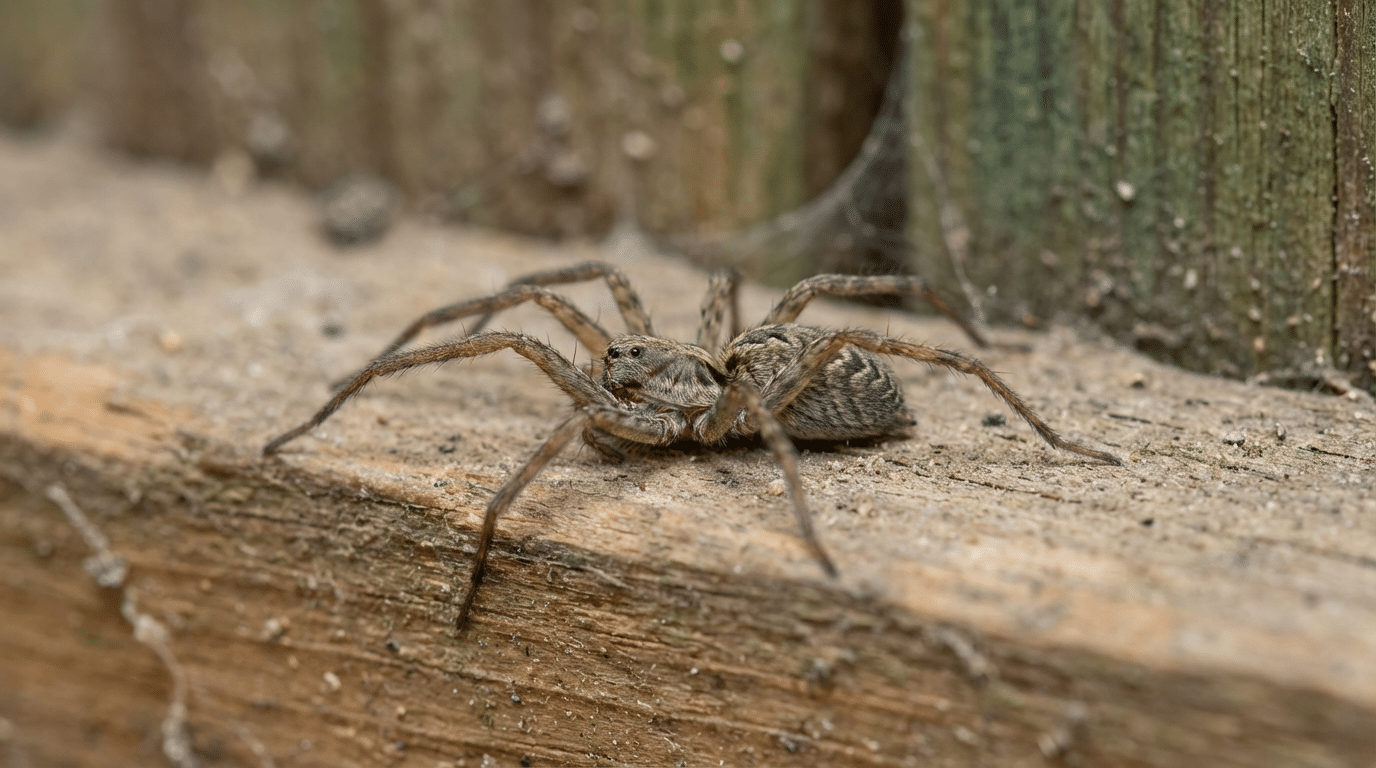
Why Are There So Many Spiders in Utah Homes?
You flip on the basement light and see one move across the wall.
You clear a corner, and another drops from the ceiling.
If you live in Ogden or anywhere along the Wasatch Front, you’ve probably asked yourself the same question. Why are spiders getting inside my house?
Here’s the thing. Utah’s climate creates the perfect setup for certain species to thrive. Dry summers, cold winters, and plenty of insects give spiders exactly what they need.
In this guide, you’ll learn how to identify common spiders in Utah, how to tell the difference between the hobo spider and the brown recluse debate, how to identify the black widow spiders that Utah homeowners worry about, and practical spider prevention tips for your home.
Let’s break it down.
What We’ll Cover:
- The most common spiders in Utah homes
- How to identify the black widow Utah species correctly
- Hobo spider vs brown recluse differences
- Why do spiders come inside your house
- Proven spider prevention tips for home protection
- When professional spider control makes sense
Common Spiders in Utah and How to Identify Them
If you’re searching for the common spiders Utah homeowners deal with, you’re likely to see one of these.
Black Widow Spiders
The black widow is the spider most people fear. And for good reason.
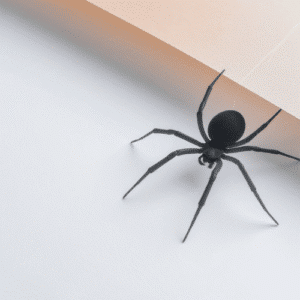
How to identify the black widow Utah species:
✔️ Shiny black body
✔️ Distinct red or orange hourglass on the underside
✔️ Round, bulb-like abdomen
✔️ Irregular, messy webs close to the ground
They prefer dark, undisturbed spaces like:
- Window wells
- Garages
- Crawl spaces
- Wood piles
- Outdoor sheds
While their venom is potent, bites are rare and typically occur when the spider is disturbed. You can learn more about seasonal activity in our guide to black widow spiders in winter.
Hobo Spiders
Hobo spiders are common across northern Utah.
They are:
✔️ Brown
✔️ Medium-sized
✔️ Fast-moving
✔️ Found in basements and ground-level areas
Their webs are funnel-shaped and usually found along foundations or in corners near the floor.
Wolf Spiders
These look intimidating but are not considered dangerous.
✔️ Large and hairy
✔️ Brown or gray
✔️ Fast runners
✔️ Do not build typical webs
They often wander indoors while hunting insects.
Cellar Spiders
Also called daddy long-legs.
✔️ Long thin legs
✔️ Small body
✔️ Found in ceilings and upper corners
✔️ Build loose, tangled webs
They are harmless but can make a space look neglected quickly.
What this really means is that most spiders inside Utah homes are not aggressive. But that does not make them welcome. For a broader look at local creepy crawlies, see Utahs 13 creepiest crawlers.
Hobo Spider vs Brown Recluse: Clearing Up the Confusion
Let’s address one of the most searched questions. Hobo spider vs brown recluse.
Here’s the truth.
Brown recluse spiders are extremely rare in Utah. They are primarily found in the Midwest and southern states. Despite this, many people believe they have seen one.
So how do you tell the difference?

Brown Recluse Characteristics
✔️ Light brown
✔️ Violin-shaped marking on the back
✔️ Six eyes arranged in pairs
✔️ Uniformly colored legs
Again, brown recluse spiders are not native to most of Utah.
Hobo Spider Characteristics
✔️ Brown with subtle chevron markings
✔️ Eight eyes
✔️ Found at ground level
✔️ Funnel webs near the foundation
The confusion usually happens because both are brown and similar in size.
If you’re in Ogden and see a brown spider in your basement, statistically, it is far more likely to be a hobo spider than a brown recluse.
Proper identification matters because panic often leads to overreaction. Accurate information helps you respond appropriately.
Why Spiders Come Inside Utah Homes
Spiders are not trying to attack you. They are looking for two things.
Food and shelter.
Utah homes provide both.
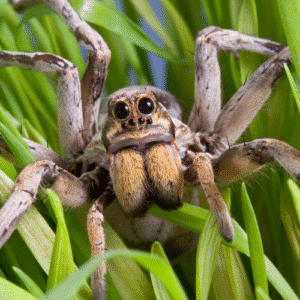
1. Insects Inside the Home
Spiders follow their food source. If you have ants, flies, or other insects, spiders will move in.
They are predators. Your insect issue becomes their opportunity. If ants are part of the problem, this guide on how to keep ants out of your house can help reduce their food supply.
2. Seasonal Weather Shifts
In fall and winter, temperatures drop quickly along the Wasatch Front.
Spiders move indoors seeking:
- Warmth
- Stable humidity
- Protected nesting areas
3. Foundation Cracks and Entry Points
Small gaps around:
- Windows
- Doors
- Utility penetrations
- Siding joints
These openings make access easy.
4. Clutter and Storage Areas
Boxes, storage bins, and undisturbed corners create perfect hiding spots.
The more undisturbed space available, the more comfortable spiders become.
If you’re seeing spiders regularly, it usually signals an underlying insect presence or easy access points.
Spider Prevention Tips for Home Protection
If you want real spider prevention tips, home protection requires consistency.
Here is what works.
Seal Entry Points
Start outside.
✔️ Caulk cracks around windows and doors
✔️ Repair torn window screens
✔️ Install door sweeps
✔️ Seal foundation gaps
If they cannot get in, they cannot settle.
Reduce Insect Activity
Remember, spiders follow food.
✔️ Keep exterior lights positioned away from doors
✔️ Clean up food debris
✔️ Store pantry goods in sealed containers
✔️ Address ant or fly problems quickly
Fewer insects equals fewer spiders.
Manage Outdoor Conditions
Your yard affects your interior.
✔️ Keep wood piles away from the house
✔️ Trim shrubs and bushes back from siding
✔️ Remove leaf litter near the foundation
✔️ Clear clutter from window wells
Black widows especially love cluttered, dark areas.
Declutter Indoor Storage
Basements and garages are common hotspots.
✔️ Store items in sealed plastic bins
✔️ Vacuum corners regularly
✔️ Reduce cardboard storage
Cardboard attracts insects. Insects attract spiders.
Regular Preventive Treatments
Preventative pest control creates a protective barrier around your home.
Quarterly treatments are especially effective in Utah because pest pressure shifts seasonally.
Spring brings ants. Summer increases flies and wasps. Fall drives spiders and rodents indoors.
Consistent treatment disrupts the food chain on which spiders depend. Learn more about how can regular pest control prevent future infestations.
When Spider Activity Signals a Bigger Issue
One spider occasionally is normal.
Seeing them regularly is not.
Warning signs:
✔️ Multiple webs appearing weekly
✔️ Egg sacs in corners
✔️ Frequent sightings in living areas
✔️ Black widows near entrances
This usually means one of two things.
You have an insect population supporting them.
Or your home has structural access points that need attention.
Ignoring spider activity can allow populations to grow quietly in undisturbed areas like crawl spaces or attics.
If you are unsure when to escalate the issue, here is guidance on when should you call a professional for pest problems.
Local Expertise Matters with Common Spiders Utah Residents Face
At Legacy Pest Control, we have worked with homeowners across Ogden and northern Utah for over 20 years.
We understand how seasonal shifts affect spider behavior here.
During colder months, we commonly treat:
- Black widows in garages and window wells
- Hobo spiders in basements
- Cellar spiders in storage areas
In warmer months, spider activity increases as insect populations rise.
Our approach focuses on:
✔️ Eliminating active spider populations
✔️ Reducing insect food sources
✔️ Creating a protective barrier around the home
✔️ Monitoring seasonal changes
According to Utah State University Extension research, habitat modification and exclusion are critical components of spider management in residential settings. Chemical treatment alone is rarely sufficient without preventive measures.
That is why long term prevention always combines structure sealing, habitat control, and strategic treatment. You can explore our full range of residential pest control solutions for Utah homes.
Ready to Reduce Spider Activity in Your Home
If spiders are becoming more frequent, it may be time to look beyond simple DIY fixes.
A preventative approach addresses:
- Entry points
- Insect food sources
- Seasonal migration
- Nesting zones
If you are in Ogden or nearby communities and want clarity on what is happening in your home, you can request a free quote and discuss treatment options through our contact page.
No pressure. Just clear answers.
Frequently Asked Questions About Common Spiders in Utah
Cooling temperatures drive spiders indoors seeking warmth and stable shelter. You can also review tips on how to prevent winter pests from moving in to reduce seasonal pressure.
Protect Your Utah Home from Common Spiders
Spiders are part of Utah’s ecosystem. But that does not mean they belong in your living space.
When you understand the common spiders Utah homeowners encounter, how to identify the black widow species in Utah, and the truth about hobo spider vs. brown recluse concerns, you gain control rather than fear.
The key is prevention. Seal entry points. Reduce insects. Maintain your yard. Stay consistent.
If spider activity continues despite your efforts, it may be time for a structured prevention plan.
Take the next step and explore your options for residential pest control protection. A well-protected home gives you one less thing to worry about.
For homeowners in Ogden and across northern Utah, understanding spider behavior is the first step. Preventing them from settling in is what keeps your home comfortable year-round.

Latest posts by Legacy Pest Control (see all)
- Termite Trouble: The Silent Destroyer Homeowners Need to Know About in Utah (and How to Stop It) - June 2, 2026
- The Real Dangers of Rodents: Health Risks and Property Damage - March 27, 2026
- Understanding and Preventing Common Spiders in Utah Homes - February 20, 2026


