
Termite Control . FAQ: Common Questions Answered

Termites can damage your home significantly before you notice them. These wood-destroying insects often hide inside walls, foundations, and structural framing, so early detection is essential.
For homeowners in Ogden, Orem, and surrounding Northern Utah communities, understanding termite warning signs can help prevent costly repairs. Whether you’ve found mud tubes, flying insects, or suspicious wood damage, know when to seek professional help.
At Legacy Pest Control, we have over 20 years of experience helping Northern Utah homeowners manage pest problems. This guide answers frequently asked questions about termite identification, professional treatments, prevention, safety, and costs.
Frequently Asked Questions About Identifying Termite Infestations
Termites often remain hidden, but several warning signs may indicate an infestation.
- Mud tubes: Small, soil-covered tunnels along foundations, basement walls, or crawl spaces.
- Discarded wings: Wings near windows, doors, or light fixtures after termite swarms.
- Hollow-sounding wood: Wooden structures that sound hollow when tapped.
- Damaged surfaces: Blistered paint, weakened baseboards, or wood containing internal tunnels.
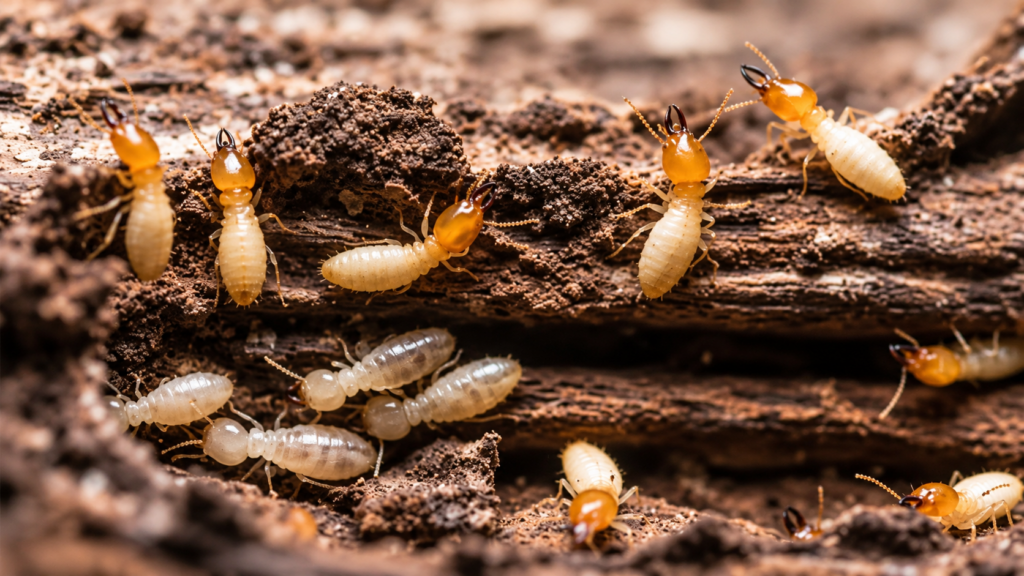
- Live termites: Small, pale insects found inside damaged wood or near moisture sources.
Flying ants and termite swarmers can look similar, but several physical differences help distinguish them.
Termite damage often develops inside wooden structures before becoming visible.
Common examples include hollowed beams, soil-lined tunnels, weakened flooring, damaged door frames, and crumbling baseboards. Subterranean termites frequently create galleries along the wood grain while leaving thin exterior surfaces intact. However, moisture damage and wood decay can produce similar symptoms. A professional inspection helps determine whether termites are responsible. If structural components appear weakened, consult a qualified building professional before attempting repairs.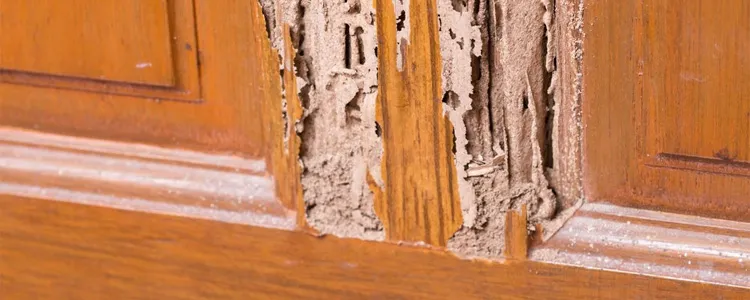
Understanding Professional Termite Control Methods
How Does Integrated Pest Management Apply to Termite Control?
Integrated Pest Management (IPM) combines pest identification, targeted treatments, prevention, and monitoring to manage infestations effectively.
For termite control, this process typically includes:
- Identifying termite species and confirming activity.
- Inspecting foundations, wooden structures, and sources of moisture.
- Selecting treatments based on infestation conditions.
- Addressing moisture problems and wood-to-soil contact.
- Monitoring the property for renewed termite activity.
Rather than relying on general insect sprays, professional termite management focuses on termite behavior and access routes.
What Methods Do Pest Control Professionals Use for Termites?
Professional termite control may involve several methods depending on the infestation and property layout.
Liquid soil treatments: Specialized termiticides are applied to designated soil areas to help control termites entering structures.
Termite bait systems: Monitoring and bait stations target termite activity and may help eliminate colonies over time.
Localized wood treatments: Approved products may be applied to specific wooden areas when appropriate.
Each method has different application requirements and maintenance needs.
A qualified technician should explain the recommended treatment, its limitations, and necessary follow-up services.
How Long Does It Take for Termite Treatments to Eliminate a Colony?
No one can guarantee a timeline for eliminating every termite colony.
Treatment effectiveness depends on colony size, termite species, infestation severity, environmental conditions, and the selected method.
Some treatments begin affecting termites relatively quickly, while bait systems may require several weeks or months of monitoring.
Reduced visible activity does not necessarily mean the colony has been eliminated.
Follow-up inspections help determine whether additional treatment is necessary.
Are Professional Termite Treatments Safe for Children and Pets?
Professional termite treatments require proper safety precautions and must be applied according to the product label.
Before treatment:
- Inform technicians about children, pets, aquariums, and outdoor play areas.
- Ask which products will be used.
- Follow preparation and reentry instructions.
- Keep children and pets away from active treatment areas.
- Request product-specific safety information when needed.
No pesticide should be considered completely risk-free.
Professional technicians should explain necessary precautions so you know when you can safely use treated areas again.
Termite Prevention and Long-Term Protection
How Often Should Homeowners Schedule a Professional Termite Inspection?
An annual termite inspection is a reasonable preventive starting point for many homeowners, although inspection frequency depends on property conditions and infestation history.
Homes with previous termite activity, moisture problems, or existing treatment systems may require more frequent monitoring.
Also schedule an inspection if you find new mud tubes, discarded wings, or unexplained wood damage.
Regular inspections help identify suspicious activity before it causes extensive damage.
What Landscape and Moisture Adjustments Help Prevent Termites?
Termites thrive where moisture and accessible wood create favorable conditions.
Homeowners can reduce these conditions through several preventive measures:
- Repair plumbing leaks: Fix dripping pipes and outdoor connections.
- Improve drainage: Direct water away from foundations.
- Reduce wood-to-soil contact: Keep untreated wooden materials away from soil near your home.
- Store firewood properly: Keep firewood away from exterior walls.
- Maintain foundation visibility: Prevent excessive mulch and vegetation from concealing entry points.
- Remove wood debris: Clear buried lumber and construction scraps near structures.
Northern Utah homeowners should pay particular attention to irrigation systems that repeatedly soak soil near foundations.
These preventive steps support professional termite management but cannot replace treatment for an active infestation.
Key Factors That Influence Termite Treatment Costs
How Much Does Professional Termite Control Cost?
Termite treatment costs vary depending on property size, infestation severity, treatment method, foundation construction, and accessibility.
Factors affecting pricing include:
- Infestation severity: Extensive activity may require additional treatment.
- Treatment method: Liquid applications, bait systems, and localized treatments have different costs.
- Property construction: Basements, slabs, and crawl spaces affect accessibility.
- Monitoring services: Follow-up visits and bait maintenance can affect costs.
- Service agreements: Warranty coverage, exclusions, and renewal terms vary.
When comparing estimates, request a written explanation of recommended treatments and included services.
Legacy Pest Control offers free quotes to help homeowners understand their pest control options before committing to service.
Is Professional Termite Control Worth the Investment?
Professional termite control can help protect your property from ongoing wood damage and reduce the risk of expensive structural repairs.
DIY surface sprays generally cannot address concealed termite colonies or underground access routes.
Professional services provide accurate pest identification, specialized treatment options, and monitoring recommendations.
Choose a company that explains its findings and provides a clear treatment plan to help you make an informed investment.
Get Expert Termite Control Assistance in Northern Utah
Termites can remain hidden for months or even years, causing damage before homeowners recognize the warning signs. Early identification, professional inspections, and appropriate treatments are essential for protecting your property.
At Legacy Pest Control, our family-owned team brings over 20 years of pest control experience to homes and businesses throughout Ogden, Salt Lake City, and surrounding Northern Utah communities. We provide practical recommendations and customized pest management solutions based on your property’s needs.
Concerned about termite activity in your home? Don’t wait for hidden damage to become a costly problem. Contact us today or call (801) 779-3131 to discuss your concerns and request a free quote. Our team is ready to help you take the next step toward protecting your home.

seohnrpros


