Pest Control News Archives
Termite Control . FAQ: Common Questions Answered

Termites can damage your home significantly before you notice them. These wood-destroying insects often hide inside walls, foundations, and structural framing, so early detection is essential.
For homeowners in Ogden, Orem, and surrounding Northern Utah communities, understanding termite warning signs can help prevent costly repairs. Whether you’ve found mud tubes, flying insects, or suspicious wood damage, know when to seek professional help.
At Legacy Pest Control, we have over 20 years of experience helping Northern Utah homeowners manage pest problems. This guide answers frequently asked questions about termite identification, professional treatments, prevention, safety, and costs.
Frequently Asked Questions About Identifying Termite Infestations
Termites often remain hidden, but several warning signs may indicate an infestation.
- Mud tubes: Small, soil-covered tunnels along foundations, basement walls, or crawl spaces.
- Discarded wings: Wings near windows, doors, or light fixtures after termite swarms.
- Hollow-sounding wood: Wooden structures that sound hollow when tapped.
- Damaged surfaces: Blistered paint, weakened baseboards, or wood containing internal tunnels.
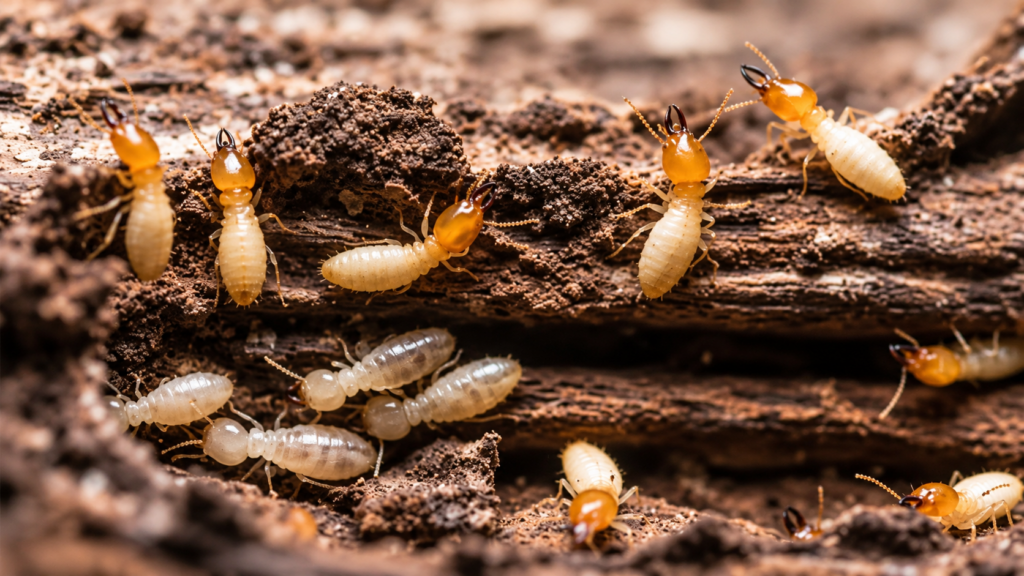
- Live termites: Small, pale insects found inside damaged wood or near moisture sources.
Flying ants and termite swarmers can look similar, but several physical differences help distinguish them.
Termite damage often develops inside wooden structures before becoming visible.
Common examples include hollowed beams, soil-lined tunnels, weakened flooring, damaged door frames, and crumbling baseboards. Subterranean termites frequently create galleries along the wood grain while leaving thin exterior surfaces intact. However, moisture damage and wood decay can produce similar symptoms. A professional inspection helps determine whether termites are responsible. If structural components appear weakened, consult a qualified building professional before attempting repairs.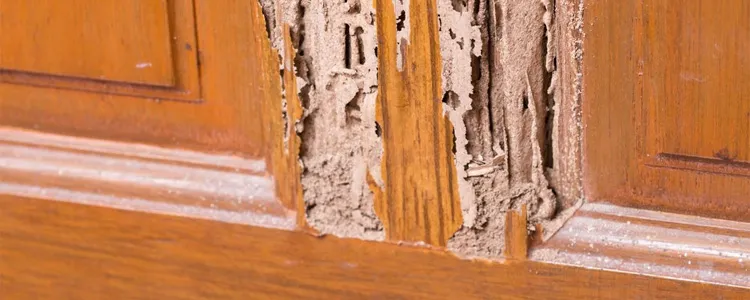
Understanding Professional Termite Control Methods
How Does Integrated Pest Management Apply to Termite Control?
Integrated Pest Management (IPM) combines pest identification, targeted treatments, prevention, and monitoring to manage infestations effectively.
For termite control, this process typically includes:
- Identifying termite species and confirming activity.
- Inspecting foundations, wooden structures, and sources of moisture.
- Selecting treatments based on infestation conditions.
- Addressing moisture problems and wood-to-soil contact.
- Monitoring the property for renewed termite activity.
Rather than relying on general insect sprays, professional termite management focuses on termite behavior and access routes.
What Methods Do Pest Control Professionals Use for Termites?
Professional termite control may involve several methods depending on the infestation and property layout.
Liquid soil treatments: Specialized termiticides are applied to designated soil areas to help control termites entering structures.
Termite bait systems: Monitoring and bait stations target termite activity and may help eliminate colonies over time.
Localized wood treatments: Approved products may be applied to specific wooden areas when appropriate.
Each method has different application requirements and maintenance needs.
A qualified technician should explain the recommended treatment, its limitations, and necessary follow-up services.
How Long Does It Take for Termite Treatments to Eliminate a Colony?
No one can guarantee a timeline for eliminating every termite colony.
Treatment effectiveness depends on colony size, termite species, infestation severity, environmental conditions, and the selected method.
Some treatments begin affecting termites relatively quickly, while bait systems may require several weeks or months of monitoring.
Reduced visible activity does not necessarily mean the colony has been eliminated.
Follow-up inspections help determine whether additional treatment is necessary.
Are Professional Termite Treatments Safe for Children and Pets?
Professional termite treatments require proper safety precautions and must be applied according to the product label.
Before treatment:
- Inform technicians about children, pets, aquariums, and outdoor play areas.
- Ask which products will be used.
- Follow preparation and reentry instructions.
- Keep children and pets away from active treatment areas.
- Request product-specific safety information when needed.
No pesticide should be considered completely risk-free.
Professional technicians should explain necessary precautions so you know when you can safely use treated areas again.
Termite Prevention and Long-Term Protection
How Often Should Homeowners Schedule a Professional Termite Inspection?
An annual termite inspection is a reasonable preventive starting point for many homeowners, although inspection frequency depends on property conditions and infestation history.
Homes with previous termite activity, moisture problems, or existing treatment systems may require more frequent monitoring.
Also schedule an inspection if you find new mud tubes, discarded wings, or unexplained wood damage.
Regular inspections help identify suspicious activity before it causes extensive damage.
What Landscape and Moisture Adjustments Help Prevent Termites?
Termites thrive where moisture and accessible wood create favorable conditions.
Homeowners can reduce these conditions through several preventive measures:
- Repair plumbing leaks: Fix dripping pipes and outdoor connections.
- Improve drainage: Direct water away from foundations.
- Reduce wood-to-soil contact: Keep untreated wooden materials away from soil near your home.
- Store firewood properly: Keep firewood away from exterior walls.
- Maintain foundation visibility: Prevent excessive mulch and vegetation from concealing entry points.
- Remove wood debris: Clear buried lumber and construction scraps near structures.
Northern Utah homeowners should pay particular attention to irrigation systems that repeatedly soak soil near foundations.
These preventive steps support professional termite management but cannot replace treatment for an active infestation.
Key Factors That Influence Termite Treatment Costs
How Much Does Professional Termite Control Cost?
Termite treatment costs vary depending on property size, infestation severity, treatment method, foundation construction, and accessibility.
Factors affecting pricing include:
- Infestation severity: Extensive activity may require additional treatment.
- Treatment method: Liquid applications, bait systems, and localized treatments have different costs.
- Property construction: Basements, slabs, and crawl spaces affect accessibility.
- Monitoring services: Follow-up visits and bait maintenance can affect costs.
- Service agreements: Warranty coverage, exclusions, and renewal terms vary.
When comparing estimates, request a written explanation of recommended treatments and included services.
Legacy Pest Control offers free quotes to help homeowners understand their pest control options before committing to service.
Is Professional Termite Control Worth the Investment?
Professional termite control can help protect your property from ongoing wood damage and reduce the risk of expensive structural repairs.
DIY surface sprays generally cannot address concealed termite colonies or underground access routes.
Professional services provide accurate pest identification, specialized treatment options, and monitoring recommendations.
Choose a company that explains its findings and provides a clear treatment plan to help you make an informed investment.
Get Expert Termite Control Assistance in Northern Utah
Termites can remain hidden for months or even years, causing damage before homeowners recognize the warning signs. Early identification, professional inspections, and appropriate treatments are essential for protecting your property.
At Legacy Pest Control, our family-owned team brings over 20 years of pest control experience to homes and businesses throughout Ogden, Salt Lake City, and surrounding Northern Utah communities. We provide practical recommendations and customized pest management solutions based on your property’s needs.
Concerned about termite activity in your home? Don’t wait for hidden damage to become a costly problem. Contact us today or call (801) 779-3131 to discuss your concerns and request a free quote. Our team is ready to help you take the next step toward protecting your home.
How to Choose the Right Spider Pest Control .: Complete Guide

Spiders are common in Utah, but finding them repeatedly inside your home can be unsettling. Most spiders are harmless, but some species, including black widows, require extra caution. Choosing the right spider pest control company helps you address existing spider activity while reducing the conditions that attract spiders to your property.
Effective spider control involves more than spraying around your home. It requires proper identification, thorough inspections, targeted treatments, and preventative measures.
At Legacy Pest Control, we understand the challenges homeowners face with spiders throughout Northern Utah. This guide explains what to look for in a professional spider control service, which treatment methods work, and how to maintain a more comfortable home.
Identifying Spider Species and Infestation Severity
Before choosing a spider pest control service, understand which spiders are present and how often they appear.
Different spider species have different behaviors, hiding places, and treatment requirements.
Common Spiders Found in Utah Homes
Black Widow Spiders
Black widows are recognizable by their shiny black bodies and the red hourglass marking typically found on the underside of adult females. They prefer dark, undisturbed locations such as garages, sheds, woodpiles, and storage areas. Because their bites can be medically significant, handle suspected infestations carefully.
Wolf Spiders
Wolf spiders are active hunters that usually move across floors rather than building webs to capture prey. They commonly enter homes through gaps around doors, windows, and foundations.
Jumping Spiders
These small, active spiders are frequently found near windows and sunny areas. They generally pose little danger to people, but repeated sightings may indicate accessible entry points.
Common House Spiders
House spiders often build webs in corners, basements, garages, and other sheltered spaces. Persistent web activity may indicate suitable hiding places or an abundance of insects.
Signs You May Need Professional Spider Control
Occasional spider sightings don’t necessarily indicate an infestation. However, certain conditions suggest that professional inspection may be beneficial:
- Frequent spider sightings in multiple rooms
- Recurring webs in corners, garages, or basements
- Suspected spider egg sacs around storage areas
- Black widow activity near frequently used spaces
- Continued spider activity despite cleaning and preventative efforts
Professional identification helps determine whether targeted treatment, exclusion, or monitoring is appropriate.
Understanding Why Spiders Enter Your Home
Spiders enter homes mainly for shelter, suitable conditions, and food.
Properties throughout Ogden and Northern Utah may experience spider activity around foundations, garages, basements, and landscaped areas.
Common contributing factors include:
- Gaps around windows, doors, and utility openings
- Damaged weatherstripping and garage-door seals
- Cluttered storage areas and undisturbed corners
- Outdoor lighting that attracts insects
- Dense vegetation near exterior walls
- Moisture and insect activity around foundations
A reliable spider pest control company should identify these conditions rather than relying exclusively on pesticide applications.
How to Choose the Right Spider Pest Control Company
When selecting a professional pest control provider, evaluate experience, inspection practices, treatment options, and service agreements.
Verify Licensing and Insurance
Before hiring a pest control company, confirm that it holds the appropriate Utah pesticide licensing credentials.
You can request licensing information and verify applicable credentials through the Utah Department of Agriculture and Food.
Also ask about liability insurance and technician qualifications.
A reputable company should explain who will perform the treatment and answer questions about its professional credentials.
Look for Experience With Local Spider Species
Spider activity varies depending on climate, property conditions, and seasonal changes.
A company familiar with Northern Utah understands common spider habitats and the challenges local homes and businesses face.
Legacy Pest Control is a family-owned company with over 20 years of experience serving Northern Utah communities.
Our local experience helps us understand the pest pressures homeowners face year-round.
Choose a Company That Performs Thorough Inspections
A professional inspection should identify spider activity, potential entry points, hiding spots, and conditions that attract insects.
Technicians may examine:
- Foundations and exterior walls
- Garages and storage areas
- Basements and crawl spaces
- Window wells and door frames
- Outdoor landscaping near the property
The findings should guide the recommended treatment plan.
Be cautious of companies that recommend the same treatment for every home without first assessing the property.
Ask About Integrated Pest Management
Integrated Pest Management, or IPM, combines inspection, monitoring, prevention, and targeted pest control methods.
For spider management, this approach may involve removing accessible webs, sealing entry gaps, reducing insect activity, and applying appropriate treatments where necessary.
The goal is to address both existing spider problems and the conditions contributing to recurring activity.
Review Treatment Safety and Preparation Instructions
Before scheduling spider pest control, ask which products and methods will be used.
Your provider should explain where treatment will occur, preparation requirements, and when treated areas can be safely accessed again.
If you have children, pets, or household members with specific sensitivities, discuss these concerns before treatment.
Remember that products described as natural or eco-friendly still require proper handling and label compliance.
Compare Pricing and Service Agreements
Spider pest control costs depend on property size, infestation severity, treatment needs, and follow-up services.
Request a written estimate that explains the proposed work.
Ask whether the service includes inspections, interior or exterior treatments, web removal, and follow-up visits.
Also review contract terms, recurring charges, cancellation policies, and any applicable service guarantees.
Legacy Pest Control offers free quotes, pest control coupons, and discounted quarterly pest control services to help homeowners explore options that fit their needs and budgets.
Common Professional Spider Pest Control Methods
Professional spider management may involve several complementary techniques.
Exterior Perimeter Treatments
Targeted exterior treatments may help reduce pest activity around approved treatment locations near foundations, entry points, and sheltered areas.
Treatment placement depends on inspection findings and product-label requirements.
Web Removal
Removing accessible spider webs reduces accumulated webbing and makes new spider activity easier to spot.
However, web removal alone may not control spiders that actively hunt rather than build capture webs.
Crack and Crevice Treatments
Spiders sometimes shelter in narrow gaps around structural joints, trim, and other protected spaces.
When appropriate, technicians may use products specifically labeled for these locations.
Preventative Pest Control
Ongoing preventative services help address seasonal pest activity and changing property conditions.
Legacy Pest Control offers quarterly pest control plans to provide ongoing protection against common pests year-round.
Frequently Asked Questions About Spider Pest Control
Treatment frequency depends on spider activity, property conditions, and the recommended pest management plan. Quarterly preventative services may be beneficial for homeowners experiencing recurring seasonal pest problems.
Tips for Long-Term Spider Prevention
Even after professional treatment, simple maintenance practices can help reduce spider activity.
Keep storage areas organized, remove unnecessary clutter, and regularly clean corners where webs accumulate.
Inspect weatherstripping, repair damaged window screens, and seal accessible gaps around doors and utility openings.
Trim vegetation away from exterior walls and reduce unnecessary outdoor lighting that attracts insects.
Addressing other insect problems can also make your property less attractive to spiders.
Combining these preventative steps with professional pest management provides a more comprehensive approach to ongoing spider control.
Choose Legacy Pest Control for Professional Spider Control in Northern Utah
Choosing the right spider pest control company means finding a provider that understands your concerns, inspects your property, and recommends appropriate solutions.
At Legacy Pest Control, we’ve helped Northern Utah homeowners and businesses manage common pest problems for more than 20 years.
As a family-owned company, we offer residential, commercial, and preventative pest control services, including discounted quarterly treatment plans.
Whether you’re dealing with recurring spider sightings, unwanted webs, or suspected black widows, our team can help you explore suitable treatment options.
Ready to take control of spider activity around your property?
Contact Legacy Pest Control at (801) 779-3131 to request your free pest control quote and learn more about spider control services available in Ogden and surrounding Northern Utah communities.
How to Choose the Right Termite Control .: Complete Guide
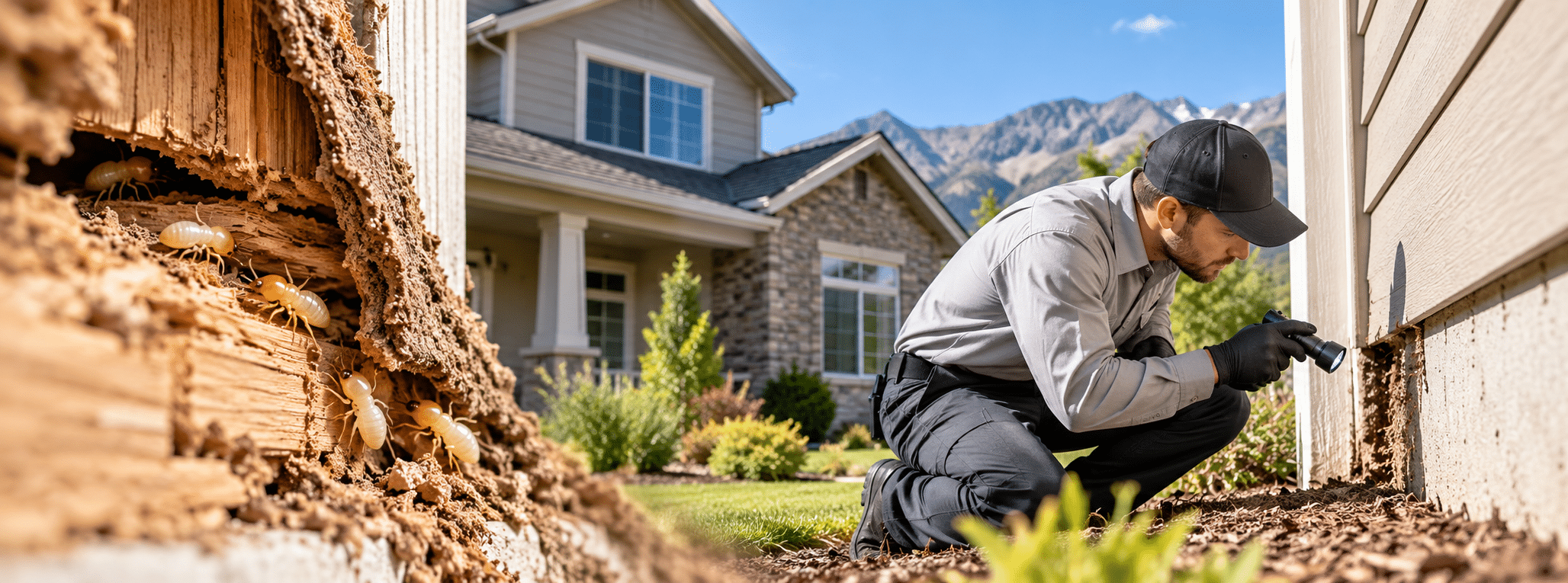
Termites can seriously damage your home before you even realize they’re there. These wood-destroying pests often remain hidden inside walls, beneath floors, and around foundations, making early detection difficult. Choosing the right termite control service is essential to protect your property and avoid expensive repairs.
For homeowners in Ogden and throughout Northern Utah, finding an experienced pest control company can make all the difference. However, not every termite treatment works for every property. The right solution depends on the termite species, infestation severity, and your home’s construction.
This guide explains how to identify termite activity, compare treatment methods, evaluate pest control companies, and select a reliable solution for your home.
Identify the Signs of a Termite Infestation
Before choosing termite treatment, determine whether termites are present.
Termites often feed on wood from the inside out, leaving damage that may go unnoticed for months or even years.
Common Signs of Termite Activity
Watch for these warning signs around your property:
- Mud tubes: Narrow, soil-like tunnels along foundations, walls, or crawl spaces.
- Discarded wings: Small piles of wings near windows, doors, or light fixtures.
- Hollow-sounding wood: Wooden surfaces that sound unusually hollow when tapped.
- Damaged wood: Crumbling, weakened, or blistered wooden structures.
- Swarming termites: Winged termites appearing indoors or near your foundation.
Not all wood damage is caused by termites. Carpenter ants, moisture problems, and wood decay can produce similar symptoms.
A professional termite inspection helps identify the actual cause and determine whether treatment is necessary.
Understand the Different Termite Control Methods
Understanding available treatment options is an important part of choosing the right termite control service.
Different methods target termite activity in different ways.
Liquid Termite Treatments
Liquid termiticides are applied to designated soil areas around a property’s foundation to help control subterranean termites.
Depending on the product and application method, these treatments create treated zones that termites may encounter while traveling between their colonies and food sources.
Liquid treatments may be appropriate for properties with accessible foundations and confirmed subterranean termite activity.
Termite Baiting Systems
Termite bait stations are installed at selected locations around a property to monitor and control termite activity.
When termites discover and consume the bait, the active ingredient can affect the colony.
Baiting systems require regular inspection and maintenance, making ongoing monitoring an important part of the treatment plan.
Direct Wood Treatments
Direct wood treatments target accessible wooden structures affected by termites.
Certain products, including borate-based treatments, can help protect suitable wood surfaces or address localized activity.
However, treating visible wood alone may not eliminate termites traveling through concealed areas.
The best termite treatment depends on a professional inspection, not a one-size-fits-all approach.
Choose an Experienced and Licensed Pest Control Company
When comparing termite control companies in Utah, make experience and professional qualifications major considerations.
Termite infestations can be complicated, particularly when activity extends into hidden structural areas.
A qualified technician should understand termite behavior, local environmental conditions, and appropriate treatment techniques.
Verify Licensing and Qualifications
Before hiring a pest control company, ask about:
- Current Utah pest control licensing and applicable certifications.
- Experience identifying and treating termites.
- Liability insurance coverage.
- Technician training and treatment procedures.
- Familiarity with termite activity in Northern Utah.
You can verify applicable pesticide business and applicator credentials through the Utah Department of Agriculture and Food.
Look for Local Experience
Northern Utah’s seasonal weather, soil conditions, irrigation systems, and building designs can influence termite activity.
Working with a company familiar with the region helps ensure these factors are considered during an inspection.
At Legacy Pest Control, we’re a family-owned company with over 20 years of experience serving Northern Utah homes and businesses. We believe effective pest management starts with understanding the problem and recommending solutions that fit the property.
Evaluate Safety and Pest Management Practices
Make safety a priority when choosing termite control services, especially in homes with children, pets, or outdoor recreational areas.
Professional pest control companies should explain which products they intend to use and what precautions homeowners need to follow.
Ask About Treatment Safety
Before scheduling termite treatment, ask:
- Which products will be used?
- Are there restrictions for children or pets?
- Will anyone need to leave the property temporarily?
- How long must treated areas remain undisturbed?
- What preparation is required before treatment?
Answers depend on the products, application locations, and the manufacturer’s label instructions.
Consider Integrated Pest Management
Integrated Pest Management (IPM) combines inspection, prevention, targeted treatment, and ongoing monitoring.
For termite prevention, this may involve:
- Repairing leaking pipes and outdoor faucets.
- Improving drainage around the foundation.
- Removing unnecessary wood-to-soil contact.
- Keeping firewood away from the house.
- Monitoring areas with previous termite activity.
These measures can reduce conditions that favor termites, but they don’t replace professional treatment when an active infestation is present.
Compare Termite Inspection Reports and Treatment Costs
Termite control costs vary based on the infestation, property size, treatment method, and how accessible the affected areas are.
Instead of choosing the lowest estimate immediately, compare what each company includes.
What Should a Termite Control Estimate Include?
A detailed estimate should explain:
- Evidence of termite activity.
- Areas inspected and any inaccessible spaces.
- Recommended treatment methods.
- Proposed treatment locations.
- Initial treatment costs.
- Follow-up inspections or monitoring requirements.
- Additional charges or exclusions.
A lower-priced treatment may not include the same coverage or monitoring as another proposal.
Ask About Free Estimates and Available Discounts
Budget matters, especially when unexpected pest problems arise.
Legacy Pest Control offers free quotes, plus pest control coupons and discounted quarterly services.
When requesting a termite evaluation, confirm whether a detailed inspection involves separate charges and which services or promotions apply.
Knowing the total cost before you commit helps you decide with confidence.
Review Follow-Up Services and Treatment Agreements
Termite control doesn’t always end after the initial treatment.
Depending on the method used, follow-up inspections and monitoring may be necessary to assess activity and maintain protection.
Before signing an agreement, understand exactly what the company provides.
Important Questions About Service Agreements
Ask the following:
- Does the agreement include follow-up inspections?
- What happens if termite activity continues?
- Are additional treatments covered?
- Is there an annual renewal fee?
- Does the agreement cover structural damage or only re-treatment?
- What conditions could affect the warranty?
A re-treatment warranty is not the same as a structural damage warranty.
Always review termite-specific terms carefully. General pest control guarantees may not apply to termite services.
Look for Clear Communication and Customized Solutions
A trustworthy termite control company should take time to explain its findings and recommendations.
Be cautious if a company pressures you into signing a long-term agreement before thoroughly assessing your property.
A professional technician should explain why they recommend a particular treatment, what results to expect, and whether additional visits are necessary.
Every property is different. A home with localized termite activity may require a different approach from a building with extensive concealed damage.
At Legacy Pest Control, we understand the importance of personalized pest management. Our goal is to help homeowners and businesses make informed decisions about protecting their properties.
Frequently Asked Questions About Termite Control
Yes. Subterranean termites occur in Utah and can damage residential and commercial properties. Moisture near foundations, wood-to-soil contact, and concealed entry points can increase vulnerability.
Protect Your Northern Utah Home With Legacy Pest Control
Choosing the right termite control company involves more than comparing prices. You need a team that accurately identifies the problem, explains treatment options, follows proper safety procedures, and provides clear service terms.
If you’ve noticed signs of termites around your property, don’t wait for the damage to worsen.
Legacy Pest Control has served Northern Utah for over 20 years, providing professional pest management solutions for homeowners and businesses. As a family-owned company, we’re committed to dependable service, practical recommendations, and helping customers protect their properties.
Whether you’re dealing with suspicious wood damage or want professional advice on termite prevention, our team is ready to help.
Call (801) 779-3131 to contact Legacy Pest Control and discuss your termite control needs.
Proudly serving Ogden, Salt Lake City, Logan, and surrounding Northern Utah communities.


