How to Choose the Right Termite Control .: Complete Guide
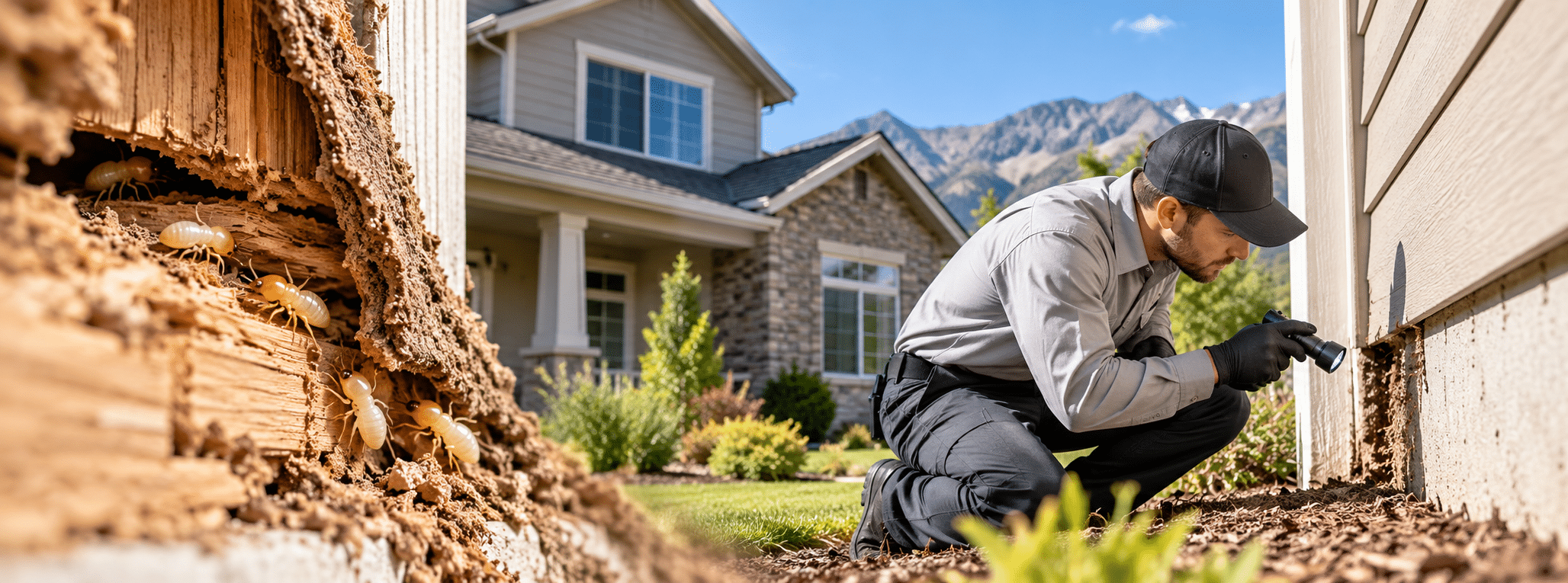
Termites can seriously damage your home before you even realize they’re there. These wood-destroying pests often remain hidden inside walls, beneath floors, and around foundations, making early detection difficult. Choosing the right termite control service is essential to protect your property and avoid expensive repairs.
For homeowners in Ogden and throughout Northern Utah, finding an experienced pest control company can make all the difference. However, not every termite treatment works for every property. The right solution depends on the termite species, infestation severity, and your home’s construction.
This guide explains how to identify termite activity, compare treatment methods, evaluate pest control companies, and select a reliable solution for your home.
Identify the Signs of a Termite Infestation
Before choosing termite treatment, determine whether termites are present.
Termites often feed on wood from the inside out, leaving damage that may go unnoticed for months or even years.
Common Signs of Termite Activity
Watch for these warning signs around your property:
- Mud tubes: Narrow, soil-like tunnels along foundations, walls, or crawl spaces.
- Discarded wings: Small piles of wings near windows, doors, or light fixtures.
- Hollow-sounding wood: Wooden surfaces that sound unusually hollow when tapped.
- Damaged wood: Crumbling, weakened, or blistered wooden structures.
- Swarming termites: Winged termites appearing indoors or near your foundation.
Not all wood damage is caused by termites. Carpenter ants, moisture problems, and wood decay can produce similar symptoms.
A professional termite inspection helps identify the actual cause and determine whether treatment is necessary.
Understand the Different Termite Control Methods
Understanding available treatment options is an important part of choosing the right termite control service.
Different methods target termite activity in different ways.
Liquid Termite Treatments
Liquid termiticides are applied to designated soil areas around a property’s foundation to help control subterranean termites.
Depending on the product and application method, these treatments create treated zones that termites may encounter while traveling between their colonies and food sources.
Liquid treatments may be appropriate for properties with accessible foundations and confirmed subterranean termite activity.
Termite Baiting Systems
Termite bait stations are installed at selected locations around a property to monitor and control termite activity.
When termites discover and consume the bait, the active ingredient can affect the colony.
Baiting systems require regular inspection and maintenance, making ongoing monitoring an important part of the treatment plan.
Direct Wood Treatments
Direct wood treatments target accessible wooden structures affected by termites.
Certain products, including borate-based treatments, can help protect suitable wood surfaces or address localized activity.
However, treating visible wood alone may not eliminate termites traveling through concealed areas.
The best termite treatment depends on a professional inspection, not a one-size-fits-all approach.
Choose an Experienced and Licensed Pest Control Company
When comparing termite control companies in Utah, make experience and professional qualifications major considerations.
Termite infestations can be complicated, particularly when activity extends into hidden structural areas.
A qualified technician should understand termite behavior, local environmental conditions, and appropriate treatment techniques.
Verify Licensing and Qualifications
Before hiring a pest control company, ask about:
- Current Utah pest control licensing and applicable certifications.
- Experience identifying and treating termites.
- Liability insurance coverage.
- Technician training and treatment procedures.
- Familiarity with termite activity in Northern Utah.
You can verify applicable pesticide business and applicator credentials through the Utah Department of Agriculture and Food.
Look for Local Experience
Northern Utah’s seasonal weather, soil conditions, irrigation systems, and building designs can influence termite activity.
Working with a company familiar with the region helps ensure these factors are considered during an inspection.
At Legacy Pest Control, we’re a family-owned company with over 20 years of experience serving Northern Utah homes and businesses. We believe effective pest management starts with understanding the problem and recommending solutions that fit the property.
Evaluate Safety and Pest Management Practices
Make safety a priority when choosing termite control services, especially in homes with children, pets, or outdoor recreational areas.
Professional pest control companies should explain which products they intend to use and what precautions homeowners need to follow.
Ask About Treatment Safety
Before scheduling termite treatment, ask:
- Which products will be used?
- Are there restrictions for children or pets?
- Will anyone need to leave the property temporarily?
- How long must treated areas remain undisturbed?
- What preparation is required before treatment?
Answers depend on the products, application locations, and the manufacturer’s label instructions.
Consider Integrated Pest Management
Integrated Pest Management (IPM) combines inspection, prevention, targeted treatment, and ongoing monitoring.
For termite prevention, this may involve:
- Repairing leaking pipes and outdoor faucets.
- Improving drainage around the foundation.
- Removing unnecessary wood-to-soil contact.
- Keeping firewood away from the house.
- Monitoring areas with previous termite activity.
These measures can reduce conditions that favor termites, but they don’t replace professional treatment when an active infestation is present.
Compare Termite Inspection Reports and Treatment Costs
Termite control costs vary based on the infestation, property size, treatment method, and how accessible the affected areas are.
Instead of choosing the lowest estimate immediately, compare what each company includes.
What Should a Termite Control Estimate Include?
A detailed estimate should explain:
- Evidence of termite activity.
- Areas inspected and any inaccessible spaces.
- Recommended treatment methods.
- Proposed treatment locations.
- Initial treatment costs.
- Follow-up inspections or monitoring requirements.
- Additional charges or exclusions.
A lower-priced treatment may not include the same coverage or monitoring as another proposal.
Ask About Free Estimates and Available Discounts
Budget matters, especially when unexpected pest problems arise.
Legacy Pest Control offers free quotes, plus pest control coupons and discounted quarterly services.
When requesting a termite evaluation, confirm whether a detailed inspection involves separate charges and which services or promotions apply.
Knowing the total cost before you commit helps you decide with confidence.
Review Follow-Up Services and Treatment Agreements
Termite control doesn’t always end after the initial treatment.
Depending on the method used, follow-up inspections and monitoring may be necessary to assess activity and maintain protection.
Before signing an agreement, understand exactly what the company provides.
Important Questions About Service Agreements
Ask the following:
- Does the agreement include follow-up inspections?
- What happens if termite activity continues?
- Are additional treatments covered?
- Is there an annual renewal fee?
- Does the agreement cover structural damage or only re-treatment?
- What conditions could affect the warranty?
A re-treatment warranty is not the same as a structural damage warranty.
Always review termite-specific terms carefully. General pest control guarantees may not apply to termite services.
Look for Clear Communication and Customized Solutions
A trustworthy termite control company should take time to explain its findings and recommendations.
Be cautious if a company pressures you into signing a long-term agreement before thoroughly assessing your property.
A professional technician should explain why they recommend a particular treatment, what results to expect, and whether additional visits are necessary.
Every property is different. A home with localized termite activity may require a different approach from a building with extensive concealed damage.
At Legacy Pest Control, we understand the importance of personalized pest management. Our goal is to help homeowners and businesses make informed decisions about protecting their properties.
Frequently Asked Questions About Termite Control
Yes. Subterranean termites occur in Utah and can damage residential and commercial properties. Moisture near foundations, wood-to-soil contact, and concealed entry points can increase vulnerability.
Protect Your Northern Utah Home With Legacy Pest Control
Choosing the right termite control company involves more than comparing prices. You need a team that accurately identifies the problem, explains treatment options, follows proper safety procedures, and provides clear service terms.
If you’ve noticed signs of termites around your property, don’t wait for the damage to worsen.
Legacy Pest Control has served Northern Utah for over 20 years, providing professional pest management solutions for homeowners and businesses. As a family-owned company, we’re committed to dependable service, practical recommendations, and helping customers protect their properties.
Whether you’re dealing with suspicious wood damage or want professional advice on termite prevention, our team is ready to help.
Call (801) 779-3131 to contact Legacy Pest Control and discuss your termite control needs.
Proudly serving Ogden, Salt Lake City, Logan, and surrounding Northern Utah communities.

Latest posts by Legacy Pest Control (see all)
- How to Choose the Right Spider Pest Control .: Complete Guide - October 27, 2026
- How to Choose the Right Termite Control .: Complete Guide - October 26, 2026
- Termite Trouble: The Silent Destroyer Homeowners Need to Know About in Utah (and How to Stop It) - June 2, 2026


